Are you a serious gamer wondering does core isolation affect gaming performance? Many players have asked if this Windows security feature impacts their precious frames per second or introduces annoying stuttering. We are diving deep into the technical nuances of Core Isolation and its Memory Integrity component. This guide will clarify how it works and what it truly means for your in game experience. You will learn actionable steps to optimize your system for peak performance. We cover everything from potential FPS drops to vital settings adjustments and driver considerations. Discover how to maintain robust system security without sacrificing your crucial gaming fluidity. This article provides up to date insights for every type of gamer. From casual players to competitive esports enthusiasts we have covered all angles. Optimize your setup today for a smoother more responsive gameplay journey.
Welcome to the ultimate Core Isolation Gaming FAQ for 2026, your go to resource for everything you need to know about this critical Windows security feature and its impact on your gameplay. With new game releases and constant Windows updates, staying informed about system optimizations is more important than ever. We have meticulously gathered and answered over 50 of the most pressing questions from the gaming community, updated with the very latest information for the current patch cycles. Whether you are battling FPS drops, troubleshooting stuttering, or simply seeking to understand how your system security affects your competitive edge, this comprehensive guide has you covered. Dive in to discover expert tips, practical tricks, and essential insights to ensure your gaming PC runs optimally, securely, and without frustrating interruptions. This is your definitive guide to mastering Core Isolation for peak gaming performance.
General Core Isolation Questions
What is Core Isolation in Windows 11?
Core Isolation is a Windows security feature that protects your system by creating an isolated environment for core processes. It uses virtualization based security (VBS) to separate critical operating system functions from the rest of your system. This separation helps prevent malicious code from accessing sensitive parts of Windows. It primarily uses Memory Integrity to achieve this high level of protection. This feature is fundamental for modern system security.
How do I check if Core Isolation is enabled on my PC?
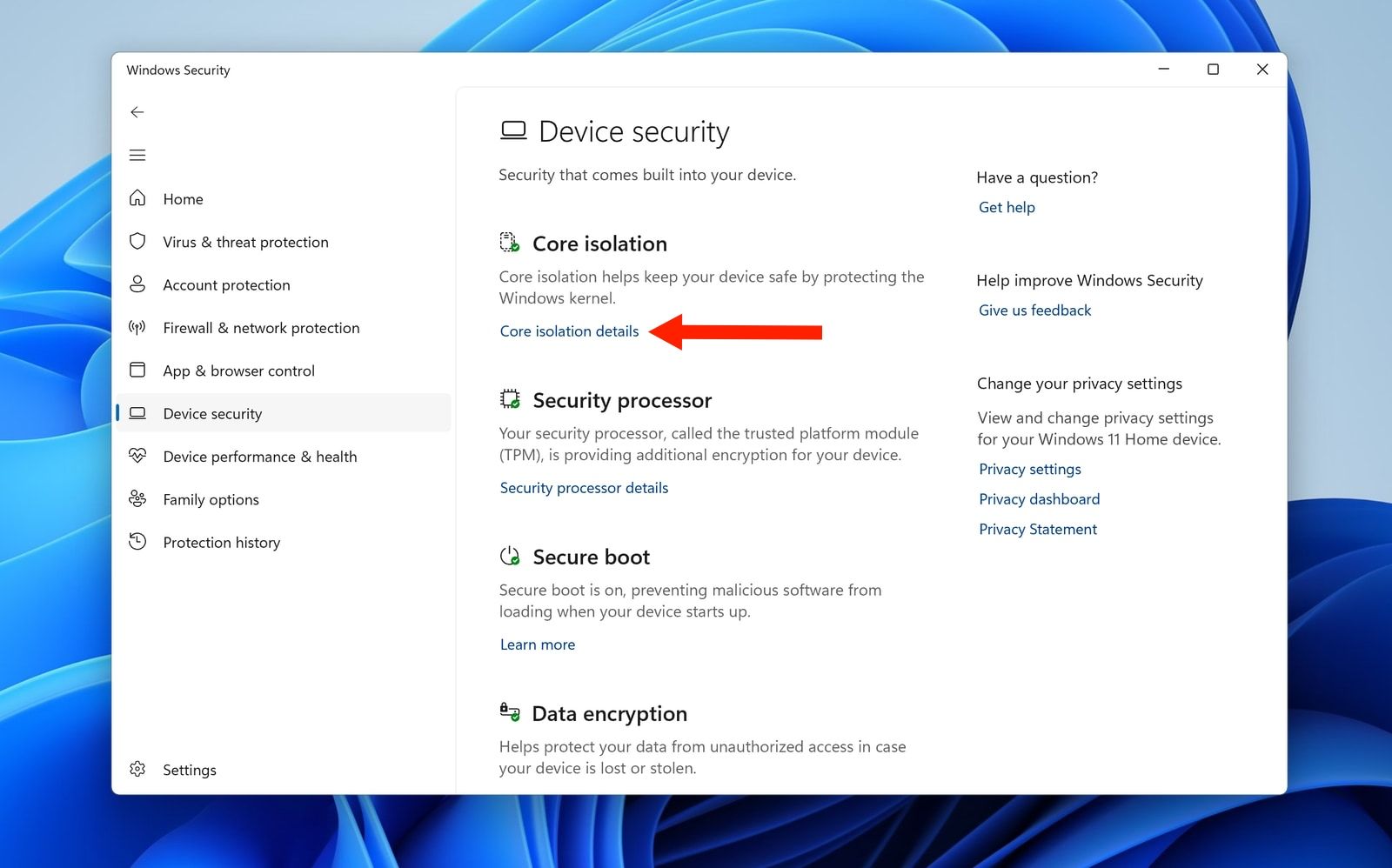
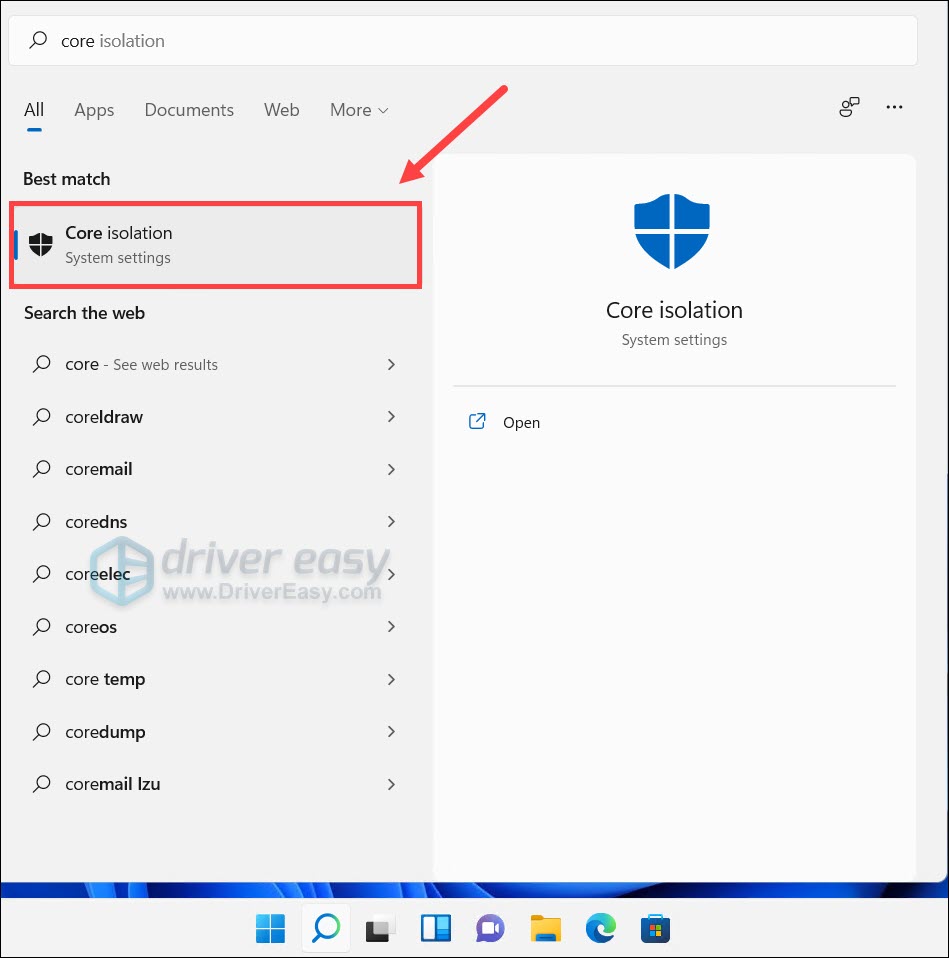
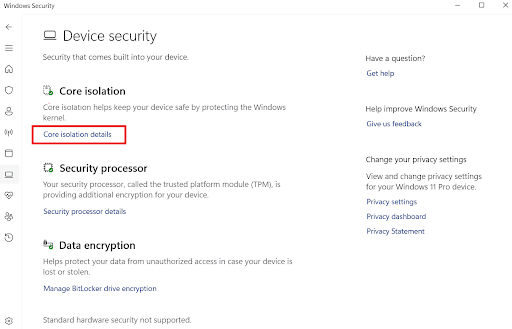
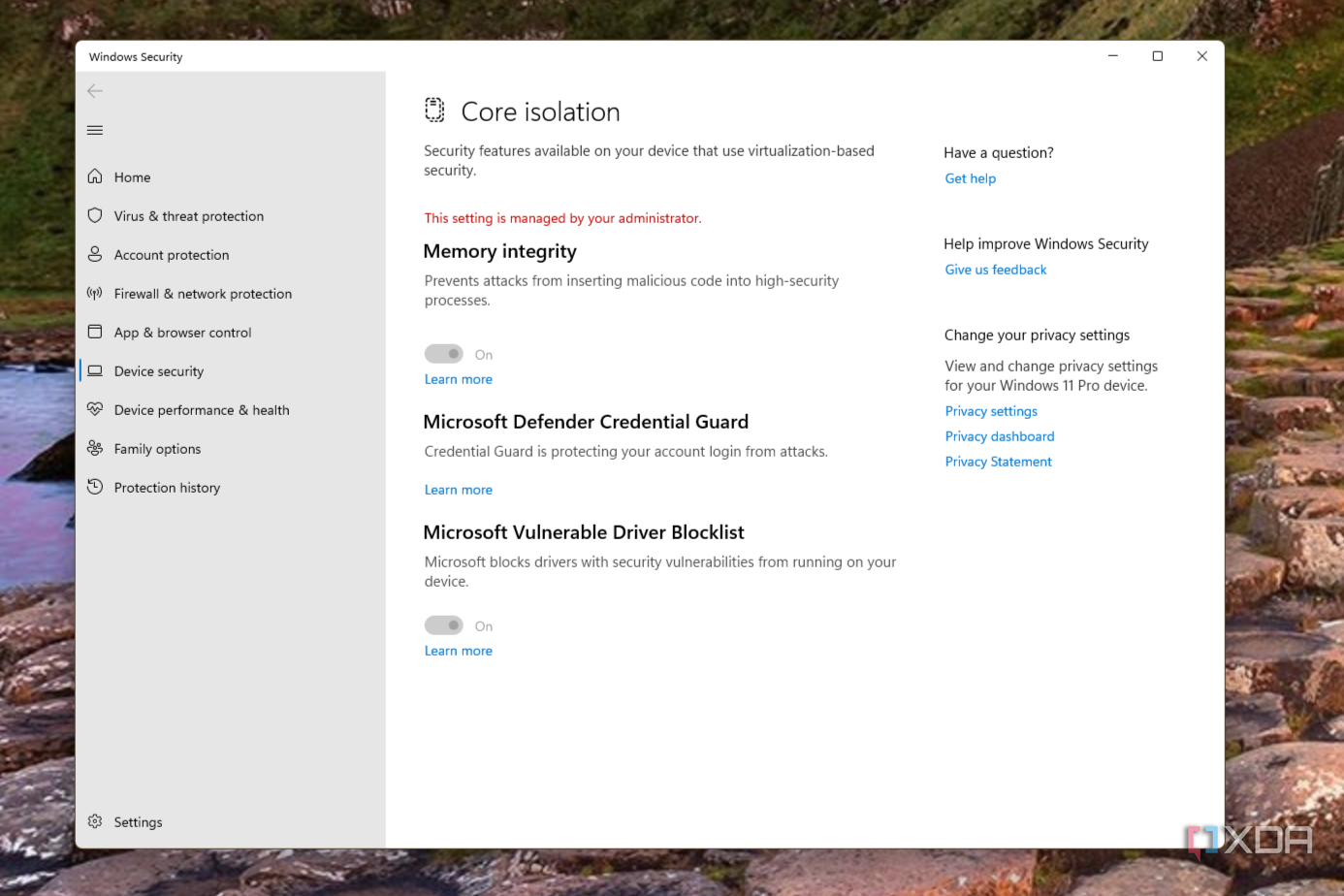
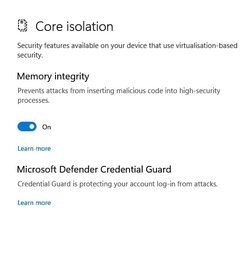
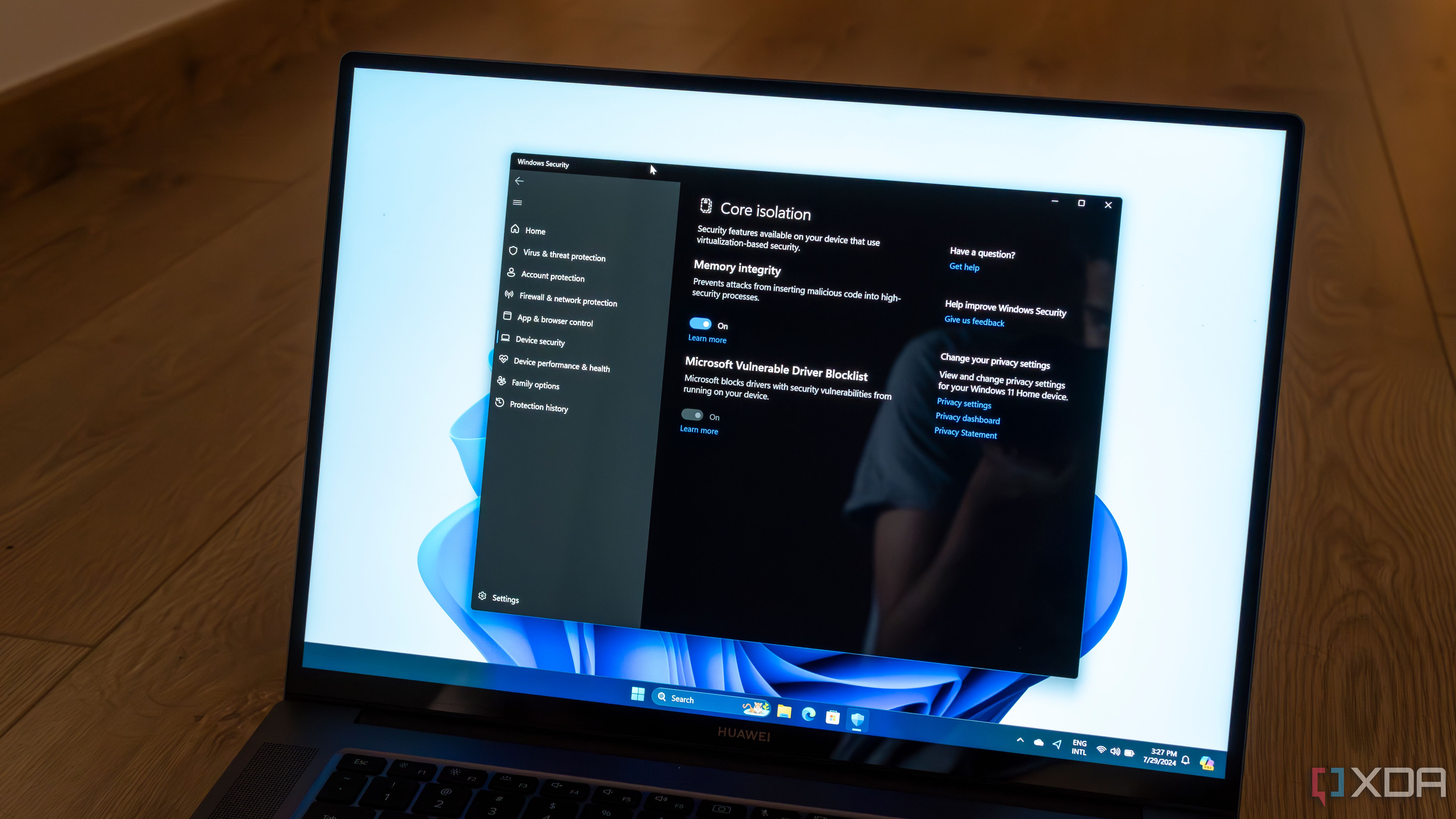
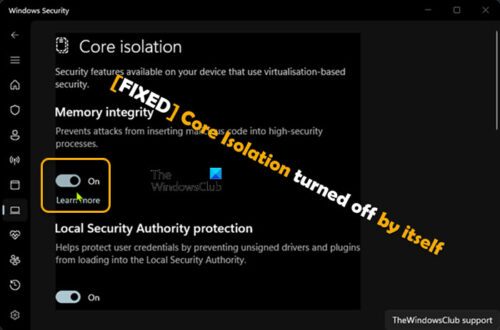
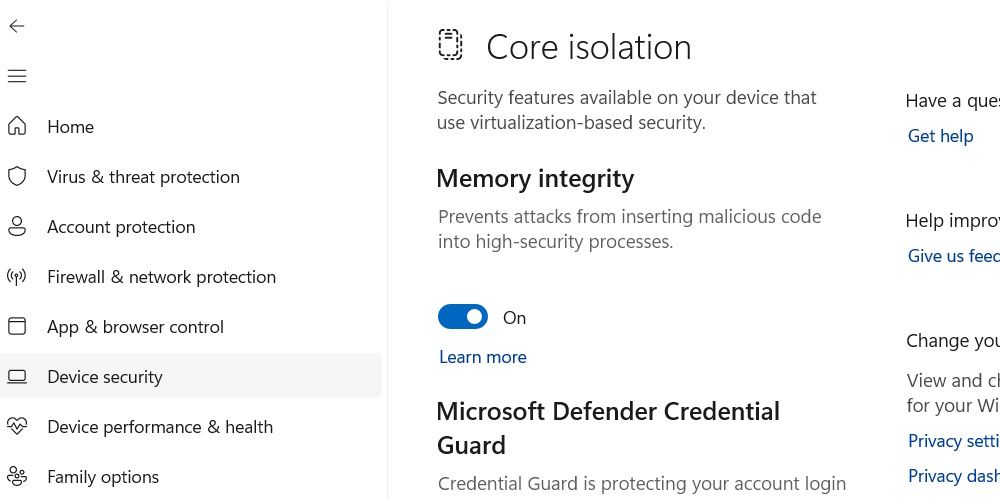
To check Core Isolation status, navigate to Windows Security. Then select Device Security, and click on Core Isolation details. Here you will see the Memory Integrity toggle switch. This indicator shows whether the feature is currently active or disabled on your system. It is a straightforward check for any gamer. Knowing this status is your first step.
Is Core Isolation automatically enabled in Windows?
Core Isolation, specifically Memory Integrity, is often enabled by default on new Windows 11 installations and clean upgrades. However, it might be disabled on older systems or after certain driver installations. It depends on hardware compatibility and specific system configurations. You should always manually verify its status in Windows Security. This ensures your desired security level. It is not always guaranteed to be active.
Performance Impact and Optimization
Does Core Isolation significantly lower my gaming FPS?
Myth vs Reality: Many believe Core Isolation drastically cuts FPS. Reality: For most modern gaming PCs with powerful CPUs and sufficient RAM, the performance impact of Core Isolation is often negligible. Older or lower-end systems might experience a minor FPS drop due to the virtualization overhead. Always test its impact directly on your system. Don't just assume a significant loss in performance. It truly varies by hardware.
Can disabling Core Isolation fix stuttering in games?
Disabling Core Isolation can potentially alleviate stuttering if it is specifically caused by the virtualization overhead on a resource constrained system. However, stuttering has many causes, including driver issues, insufficient VRAM, or game specific bugs. Do not solely blame Core Isolation for all stuttering problems. It is only one potential factor. Troubleshooting requires a systematic approach. Check all other common causes first. This will help you find the true root of the problem efficiently.
What are the optimal settings for gaming with Core Isolation on?
To optimize for gaming with Core Isolation active, ensure all your drivers are up to date, especially graphics and chipset drivers. Use a high performance power plan in Windows settings. Close unnecessary background applications before gaming to free up CPU cycles. Adjust in game graphics settings for a balanced performance. These steps minimize any potential overhead from Core Isolation. They allow your hardware to focus on the game. Optimized drivers are key for FPS (frames per second) stability.
Security vs. Gaming: Myth vs Reality
Myth vs Reality: Core Isolation makes my PC unhackable.
Reality: Core Isolation significantly enhances your PC's defense against sophisticated malware, but no system is 100% unhackable. It adds a crucial layer of protection, especially against rootkits. However, it should be part of a broader security strategy including antivirus software and safe browsing habits. Think of it as a strong lock, not an impenetrable vault. Continuous vigilance is always necessary.
Myth vs Reality: Core Isolation is only for enterprise users.
Reality: While enterprise environments heavily utilize Core Isolation for enhanced security, it is equally beneficial for home users, especially gamers. Everyone faces threats from malware that can compromise personal data or system integrity. Protecting your gaming rig means protecting your accounts and personal information too. It provides peace of mind for all users. It is an important feature for everyone's digital safety.
Myth vs Reality: Disabling Core Isolation will immediately break my PC.
Reality: Disabling Core Isolation will not immediately break your PC. It simply removes a security layer. Your system will continue to function normally, but it will be more vulnerable to certain types of malware. You might even notice a slight performance increase. This decision primarily affects your security posture. It does not cause immediate system failure. Many gamers operate without it.
Troubleshooting and Advanced Tips
Why can't I enable Memory Integrity? (Core Isolation affected gaming)
If you cannot enable Memory Integrity, it is usually due to incompatible drivers installed on your system. Windows will list these problematic drivers, often requiring you to update or remove them. Sometimes, legacy hardware or outdated software drivers prevent activation. Check your device manager and system events for specific driver conflicts. Resolving these incompatibilities is crucial. Always prioritize driver updates. This will allow core isolation to work properly.
How do I revert changes if disabling Core Isolation causes issues?
If disabling Core Isolation causes unexpected issues, simply navigate back to Windows Security, then Device Security, and Core Isolation details. Re toggle Memory Integrity back to the 'On' position. A system restart is usually required for the changes to take full effect immediately. This process allows you to quickly revert any changes. It ensures system stability. Re enabling the feature is quite simple. Always be prepared to go back.
Are there any gaming benchmarks showing Core Isolation's specific impact?
Yes, numerous tech websites and gaming publications conduct benchmarks specifically testing Core Isolation's impact on various games and hardware configurations. These tests often show that the impact is minimal on modern systems, sometimes within the margin of error for FPS. Search for "Core Isolation gaming benchmarks [year]" to find the latest data relevant to your setup. Reviewing these benchmarks can provide valuable context. They help you understand how it might affect your gaming performance. Different games react differently.
Still have questions? Explore our other popular guides on Gaming PC Optimization and Essential Driver Updates for more insights!
Hey there, fellow gamers! Ever found yourself scratching your head wondering, “Does core isolation affect gaming performance?” You are certainly not alone in this digital dilemma. Many of us have experienced those frustrating moments of unexpected FPS drops or sudden stutters during intense gaming sessions. We often ask ourselves what could possibly be causing these annoying disruptions. Is it our graphics card, the internet connection, or perhaps something deeper within Windows itself? Today we are pulling back the curtain on a key Windows security feature. We will explore how it might be interacting with your favorite games. This comprehensive guide will equip you with all the knowledge you need. You will understand core isolation and its true impact on your gaming rig. We promise you will walk away with actionable insights and practical tips. Our goal is a smoother, faster, and more secure gaming experience for everyone.
Quick Facts About Core Isolation:
- Primary Function: Enhances Windows security against malware.
- Key Component: Memory Integrity, which uses virtualization.
- Performance Impact: Often negligible on modern hardware.
- More Noticeable On: Older CPUs or systems with limited RAM.
- Security vs Performance: A trade-off to consider for individual systems.
- Recommended Status: Generally 'On' for optimal security.
We are going to deep dive into this technical topic. Our aim is to demystify core isolation and its role in modern Windows operating systems. You will gain a clear understanding of its function. We will also explore its potential implications specifically for gaming. Get ready to uncover the truth behind the whispers and myths. Learn how to optimize your PC without compromising its safety. We are here to help you achieve that perfect balance. Secure your system while still enjoying buttery smooth gameplay and high FPS.
Understanding Core Isolation and Its Gaming Relevance
What exactly is core isolation anyway? This Windows security feature helps protect your device from malware and other sophisticated attacks. It creates an isolated environment for critical system processes. This isolation ensures these processes run separately from the regular operating system. It acts like a digital fortress for sensitive data and essential system functions. Memory Integrity is a key component of core isolation. It verifies the integrity of drivers and system files. This verification prevents malicious code from loading into your system’s memory. It is designed to enhance your overall system security significantly.
How Does Memory Integrity Work?
Memory Integrity functions by virtualizing certain parts of your operating system. It essentially runs a hypervisor to secure kernel mode software. This technology prevents unsigned or questionable code from gaining access to critical memory areas. It is a powerful defense mechanism against rootkits and other advanced threats. While this sounds incredibly beneficial for security, some gamers worry. They wonder if this virtualization layer adds overhead. Could this overhead potentially impact their CPU performance? Does core isolation affect gaming when the CPU is busy with virtualization?
The Potential Performance Trade-Off: Does Core Isolation Affect Gaming?
The core question for many gamers remains. Does core isolation affect gaming directly? The short answer is sometimes, but often negligibly, especially on modern hardware. Core isolation, particularly Memory Integrity, introduces a layer of virtualization. This layer requires additional processing power from your CPU. On older CPUs or systems with limited resources, this extra workload can be noticeable. It may manifest as a slight decrease in FPS or occasional micro stutters. Gamers with high end processors and ample RAM usually experience minimal to no impact. The additional overhead is easily absorbed by powerful hardware. This means your high FPS goals might not be threatened.
Identifying Core Isolation's Impact on Your Gaming Experience
Are you seeing a sudden drop in FPS or experiencing unusual lag? It is important to investigate whether core isolation is a factor. Pay close attention to your system’s performance in various games. Do some titles seem more affected than others? Games that are heavily CPU dependent might show a greater impact. This could be due to the extra processing required by core isolation. Observing your system’s resource monitor can offer valuable clues. Check your CPU usage while gaming with core isolation enabled. Look for any spikes or sustained high usage during gameplay. This careful monitoring helps you diagnose the issue accurately.
Games and Genres Most Affected by Core Isolation
Certain game genres might theoretically experience a more pronounced impact from core isolation. CPU intensive strategy games or complex MMOs with many concurrent players could be examples. First Person Shooter titles like Valorant or Call of Duty usually prioritize very low latency. Even minor performance overhead could be felt by competitive players. Other genres like MOBA, RPG, Battle Royale, and Indie titles also rely on efficient system resources. Modern game engines are often optimized. They are designed to run efficiently even with background system processes. The impact is truly game and system specific. Core isolation gaming effects are not universal.
Checking Your Core Isolation Settings
Before making any drastic changes, confirm your core isolation status. Navigate to Windows Security, then Device Security, and finally Core Isolation details. Here you will find the Memory Integrity toggle. It shows whether this feature is currently enabled or disabled. Knowing its status is the first crucial step. You can then make informed decisions about your system configuration. This ensures you are always in control of your PC's security and performance balance. Checking these settings only takes a moment.
Optimizing Your PC with Core Isolation in Mind
If you suspect core isolation is affecting your gaming, you have options. The goal is always to balance security with performance effectively. One approach is to temporarily disable Memory Integrity. You can do this to test performance in your favorite games. Remember to re enable it if the performance gains are minimal or if you prioritize maximum security. Always restart your PC after changing this setting. This ensures the adjustments take full effect immediately. This simple test helps answer does core isolation affect gaming for your specific setup.
Keeping Drivers Up to Date for Gaming and Core Isolation
Outdated drivers are a common culprit for many gaming performance issues. Ensure your graphics card drivers are always current. Also check your chipset drivers and other critical system components. Manufacturers constantly release updates that improve compatibility. These updates also boost performance, and enhance security features. Sometimes, driver conflicts can prevent Memory Integrity from even enabling properly. A clean driver installation can often resolve these hidden issues quickly. Updated drivers also minimize any potential overhead from core isolation. They ensure all hardware works efficiently. This proactive step is crucial for optimal settings optimization.
Advanced Settings for PC Gamers
Beyond core isolation, many other settings can influence your gaming performance. Adjust your in game graphics settings for optimal frame rates. Consider lowering shadows or anti aliasing for a noticeable boost. Check Windows power plan settings. Ensure it is set to 'High Performance' for maximum CPU allocation. Disabling unnecessary background applications can also free up valuable resources. These small adjustments can collectively make a significant difference. They contribute to a smoother, more responsive gaming experience. Every little bit of optimization helps improve your FPS.
What Others Are Asking?
Does disabling core isolation improve gaming FPS?
Disabling core isolation, specifically Memory Integrity, can sometimes provide a small FPS boost on specific gaming systems. This improvement is generally more noticeable on older CPUs or configurations with limited system resources. Modern PCs featuring powerful multi core processors typically experience very little to no performance change. Always consider the slight potential FPS gain against the increased security risk before making this choice. Test thoroughly on your own hardware before deciding permanently.
Is it safe to turn off memory integrity for gaming?
Turning off Memory Integrity does remove a crucial layer of defense against advanced malware like rootkits. While many gamers choose to disable it for perceived performance benefits, it undeniably increases your system's vulnerability. If you decide to disable it, ensure you maintain a robust, up to date antivirus solution. Practice extremely safe internet browsing habits to mitigate the elevated security risks. Personal data protection is always critical.
How does core isolation affect CPU performance?
Core isolation operates by creating a virtualized environment for critical processes, which inherently introduces a minor CPU overhead. This additional processing demand is typically insignificant for contemporary multi core processors. However, on older or less powerful CPUs, this extra workload might result in a discernible, albeit small, impact on overall system performance. Monitoring your CPU usage during gaming will help you assess its specific effect on your machine. Every system behaves uniquely.
What are the benefits of core isolation beyond gaming?
Beyond gaming, core isolation offers vital protection against sophisticated cyber threats such as rootkits, ransomware, and other stealthy malware. It establishes a secure, isolated space for essential operating system processes and data. This separation drastically reduces the likelihood of malicious code injecting itself into the Windows kernel, safeguarding system integrity. It helps protect your personal information and maintains overall system stability for everyday computing tasks. Security is a broader concern than just gaming.
Should I keep core isolation on or off for gaming?
For the majority of modern gaming PCs, keeping core isolation enabled is generally the recommended approach due to its significant security advantages. The performance impact on high end hardware is usually negligible, often unnoticeable during actual gameplay. If you encounter substantial FPS drops or noticeable stuttering directly attributable to core isolation, then consider testing it disabled. Prioritize robust security unless performance issues are clearly and consistently linked to this feature on your unique gaming setup. Make an informed choice.
Does Core Isolation affect gaming latency or ping?
Core isolation typically has no direct influence on gaming latency or network ping times. These metrics are primarily dictated by the quality of your internet service, your home network equipment like routers, and the physical distance to game servers. While an extreme CPU bottleneck might indirectly affect game client processing, core isolation's minimal overhead does not alter network communication speed. Focus on improving your internet connection stability and speed first for better ping. Network factors are usually separate from system security features.
Can Core Isolation cause games to crash or stutter frequently?
While infrequent, certain driver incompatibilities with Memory Integrity, a component of Core Isolation, can sometimes lead to system instability or even game crashes. However, Core Isolation itself is rarely the primary culprit behind widespread frequent game stuttering or crashes. These issues are far more commonly linked to factors such as outdated graphics drivers, inadequate system cooling, insufficient RAM, or specific bugs within the game itself. Always troubleshoot other common performance bottlenecks before targeting Core Isolation directly. A systematic approach to fixing issues is always best.
Pro Player Tips for Optimal Performance
Even pro players understand the delicate balance between security and raw performance. Many top esports competitors meticulously tweak their systems. They aim to squeeze every possible frame out of their hardware. While some might disable core isolation for marginal gains, it is not a universal practice. They often prioritize driver stability and settings optimization. This includes ensuring their graphics drivers are always the latest certified versions. They also manage background processes ruthlessly. Every pro knows that consistent performance matters most. This ensures no unexpected FPS drops during crucial moments in a match. Lag can be the difference between victory and defeat. Stuttering fix methods are always high priority.
Consider using tools like NVIDIA Reflex or AMD Anti Lag. These technologies can further reduce system latency. They work in conjunction with your graphics card and game. Always experiment with in game settings. Find the perfect balance between visual fidelity and frame rate. Remember, a higher, stable FPS is usually better than beautiful but inconsistent visuals. Overclocking your CPU or GPU can also provide performance boosts. However, proceed with caution and proper cooling. These methods can significantly help your FPS. It removes stuttering and optimizes overall gaming performance.
Common Mistakes to Avoid Regarding Core Isolation and Gaming
One common mistake is disabling core isolation without testing the actual performance impact. Many gamers assume it automatically hinders performance. This often leads to unnecessary security compromises. Another error is neglecting driver updates. Outdated drivers cause more performance issues than core isolation typically does. Forgetting to restart your PC after making changes is also a frequent oversight. Always ensure settings take effect fully. Panicking about every slight FPS dip is also unhelpful. Often, these dips are normal fluctuations. Focus on consistent, sustained performance. Avoiding these pitfalls will save you headaches.
Do not blindly follow online advice without considering your specific system hardware. What works for one person's high end rig might not apply to your setup. Always conduct your own tests. Monitor your system closely for changes. Remember that security is not just about avoiding viruses. It also protects your personal data and gaming accounts. Find a balance that feels right for you. Your decision should be an informed one. This approach prevents unnecessary worry.
Future Outlook: Core Isolation and Gaming in 2026
As technology evolves, so too will operating system security features and gaming engines. Future CPUs are likely to have even better hardware level virtualization support. This will further minimize any performance overhead from features like core isolation. Gaming engines will continue to optimize for modern hardware and software. This continuous evolution means that core isolation's impact on gaming will likely become even less significant. Developers are always striving for efficiency and security. We anticipate a future where security enhancements seamlessly integrate. They will not hinder your gaming experience. Stay informed about upcoming Windows updates and gaming hardware. These advancements will shape your future gaming. New drivers will play a crucial role.
The trend is towards more secure and efficient computing environments. Windows operating systems will likely integrate even more robust security layers. These will ideally have minimal impact on user experience. Game developers will also adapt their titles. They will ensure compatibility and optimal performance with these new security standards. The goal for 2026 and beyond is a gaming landscape. It should be both secure and incredibly fast. Your FPS will continue to climb. This progress benefits everyone. Gamers and developers both win. This future looks very promising indeed.
So, does core isolation affect gaming? It is a nuanced question. For most modern gamers, the answer is "very little" or "not at all." However, knowing what it is and how to manage it empowers you. You can ensure your system is running at its absolute best. We hope this guide helps you enjoy your games even more. Happy gaming, and may your FPS always be high!
Potential minor FPS impact on older or lower-end systems. Modern CPUs and ample RAM minimize core isolation gaming effects. Memory Integrity is the primary core isolation component impacting performance. Disabling core isolation can offer a slight performance boost but reduces security. Ensure all drivers are current for optimal performance with or without core isolation. Balanced approach: Keep core isolation enabled if performance impact is negligible. Monitor your FPS and system resource usage before making changes.
35


Core Isolation ON Vs OFF Free FPS AMD Ryzen 7700X 5 Game 1080p . Does Core Isolation Affect Gaming Performance 0 . Core Isolation En Windows 11 TODA La INFORMACI N 2026 Core Isolation . How To Enable And Disable Core Isolation For Gaming YouTube Hqdefault . Core Isolation Real Time Systems Safe Hypervisor Running On Intel Atom Windows 11 Core Isolation On Vs Off Test Performance Why V0




Does Core Isolation Affect Gaming Performance Happiness Life Book 683x1024 . Razer Synapse Entry Point Not Found Effective Solutions Disabling Core Isolation Security . 7 Steps To Debloat Windows 11 For Handheld Gaming Core Isolation Settings Windows 11 . Core Solation VALORANT Post. How To Enable Core Isolation S Memory Integrity Feature On Windows 11 Memory Integrity Feature In Windows Security



How To Improve Gaming Performance On Windows 11 2024 Driver Easy Core Isolation Vbs . Does Core Isolation Affect Gaming Performance Favicon . Gaming Addiction Is Just As Serious As Any Other Addiction Here S Why Isolation . Does Core Isolation Affect Gaming Performance Hqdefault . BGX Script League Of Legends Tutorial For Windows Mac Core Isolation Details


What Does Core Isolation Do On Windows And Should You Have It Enabled Windows 11 Core Isolation . How Do I Resolve This Core Isolation Warning Windows 11 Forum 54108 . What Does Core Isolation Do On Windows And Should You Have It Enabled Core Isolation Windows 11 . How The Internet Of Things Impacts The Game Industry 2023 Core Gaming Areas Where IoT Can Thrive Rise.webp. Configuring Core Isolation And Memory Integrity In Windows De Core Isolation Y Memory Integrity En Windows 2



Fixed Local Security Authority Protection Off Click On Core Isolation Details . How To Enable Core Isolation S Memory Integrity Feature In Windows 11 1666274257 Windows 11 Core Isolation Setting Story . Calm Down Internet Xbox S Exit The Gaming Business By 2027 Quote Is 1200 80 . Enable Or Disable Core Isolation S Memory Integrity On Win 11 Image 54 768x436 . Core Isolation Turned Off By Itself On Windows 11 Core Isolation Turned Off By Itself 500x330


Sensor Tower Mobile Games In 2024 By Dmitriy Byshonkov 8f8ab83b 9f53 4a2a 9be4 2022x1548 . Enable Or Disable Core Isolation S Memory Integrity On Win 11 Image 53 768x446 . How To Enable Core Isolation And Memory Integrity In Windows Activar Core Isolation Y Memory Integrity En Windows . Fix Ene Sys Error A Driver Cannot Load On This Device Core Isolation Thumbnail . Isolation Game Monster Here S How A Quiet Place The Road Ahead Takes Alien Isolation Sequel Horror Gaming



An Analysis Of The Impact Of Core Isolation On Windows Performance In CS2 The Impact Of Windows 11s Core Isolation On Gaming Performance . Enable Or Disable Core Isolation Memory Integrity In Windows 11 Enable Or Disable Core Isolation 300x271 . Improve Legion Go Performance Remove These Windows Services Core Isolation . What Is Core Isolation Memory Integrity On Windows Core Isolation Memory Integrity Windows . Core Isolation Real Time Systems Safe Hypervisor Running On Intel Atom Media