Understanding a gaming computer cost in 2026 involves navigating evolving hardware prices, market availability, and technological advancements. This guide explores the financial landscape of building or buying a gaming PC this year, offering insights for every budget. We delve into component expenses, considering the impact of AI integration and next-gen gaming demands on pricing. Discover how to balance performance with affordability to construct your ideal setup without overspending. This comprehensive resource helps you make informed decisions, ensuring your investment delivers optimal gaming experiences. Whether you are aiming for entry-level performance or a high-end powerhouse, prepare to demystify the expenses involved. Learn about future-proofing your rig and spotting excellent value deals.
a gaming computer cost FAQ 2026 - 50+ Most Asked Questions Answered (Tips, Trick, Guide, How to, Bugs, Builds, Endgame)
Welcome, fellow gamers, to the ultimate living FAQ for 'a gaming computer cost' in 2026! The world of PC hardware is always evolving, with new technologies, market shifts, and economic factors constantly influencing prices. This comprehensive guide is designed to cut through the noise, providing up-to-date answers, invaluable tips, smart tricks, and practical guides to help you navigate the complexities of building or buying your next gaming rig. Whether you're a beginner seeking your first setup or a seasoned veteran planning an endgame build, we've got you covered. From understanding component costs to troubleshooting common issues and optimizing performance, this resource is your one-stop shop for all things related to gaming PC expenses this year. Let’s dive deep into making your dream build a reality without breaking the bank.
Beginner Questions on Gaming PC Cost
How much does a basic gaming PC cost in 2026?
A basic gaming PC in 2026 typically costs between $700 and $1000. This budget allows for smooth 1080p gaming on popular esports titles and many AAA games at medium settings. Prioritize a decent GPU and CPU for optimal performance, ensuring a balanced build for entry-level experiences.
What is the average cost of a good gaming PC in 2026?
The average cost for a good, mid-range gaming PC in 2026 is usually between $1200 and $1800. This range provides excellent 1080p high-settings performance and capable 1440p gaming, making it a sweet spot for most players seeking a balance of power and affordability.
Can I build a gaming PC for under $600 in 2026?
Building a gaming PC for under $600 in 2026 is challenging but possible, requiring smart component choices, often involving used parts or integrated graphics. Focus on AMD APUs for a budget start, then upgrade with a dedicated GPU later; it's a clever trick for entry-level gaming.
Is a pre-built gaming PC cheaper than building one yourself?
Myth vs Reality: Not always. While pre-built PCs offer convenience, custom builds can often be cheaper and offer better component selection for the price if you shop for sales. Pre-builts may include a premium for assembly and warranty, sometimes cutting corners on less visible parts.
Builds & Classes - Gaming PC Tiers
What components are most expensive in a gaming PC?
The graphics card (GPU) and the central processing unit (CPU) are consistently the most expensive components in a gaming PC, often accounting for over 50% of the total cost. These parts dictate gaming performance, so investing here ensures higher frame rates and better graphical fidelity for your favorite RPGs and FPS games.
How much should I spend on a high-end gaming PC in 2026?
For a high-end gaming PC in 2026, expect to spend $2000 and upwards. This budget enables top-tier 4K gaming, virtual reality, and seamless streaming, featuring the latest, most powerful GPUs and CPUs. It's an investment for enthusiasts demanding uncompromising performance in Battle Royale or MMOs.
What's the cost difference between AMD and Intel/NVIDIA builds?
Myth vs Reality: The cost difference between AMD and Intel/NVIDIA builds varies by specific components, but often AMD offers competitive price-to-performance in mid-range CPUs and GPUs. NVIDIA may have a premium for advanced features like superior ray tracing or DLSS, balancing out depending on the chosen tier and performance needs.
Multiplayer Issues & Optimization
How does a monitor affect the overall cost and performance of a gaming setup?
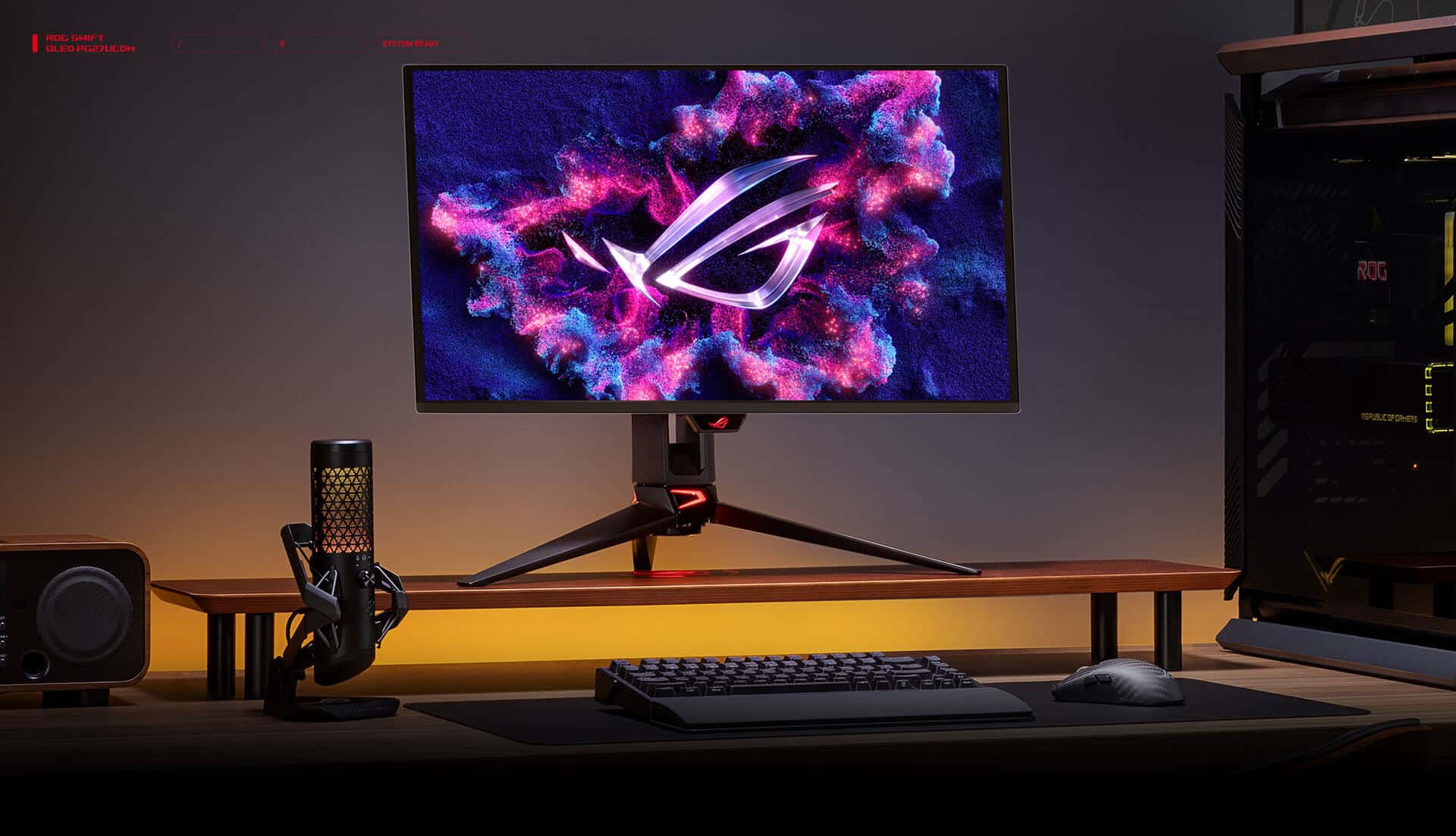
A high-refresh-rate monitor greatly enhances gaming fluidity but adds to the total cost, requiring a powerful GPU to fully utilize it. A 144Hz 1440p monitor can cost $250-$400, while 4K monitors push that even higher. It is a critical component for smooth FPS gameplay and an immersive experience in MOBA titles.
Endgame Grind & Upgrades
Is future-proofing a gaming PC worth the extra investment?
Future-proofing a gaming PC is moderately worth it; investing slightly more in a robust motherboard, higher wattage PSU, and a strong CPU extends your rig's relevance for 3-5 years. However, completely future-proofing is unrealistic due to rapid tech advancements. Focus on smart upgrades over chasing unattainable longevity.
Bugs & Fixes - Avoiding Costly Mistakes
What are common hidden costs of owning a gaming PC?
Myth vs Reality: Many overlook hidden costs like games, software licenses (OS, antivirus), peripherals (keyboard, mouse, headset), and potentially upgraded internet service. These can add hundreds to your overall investment. Budgeting for these ensures a complete and enjoyable gaming experience.
Tips & Tricks for Saving Money
What are the best tips for saving money on a gaming PC build?
To save money, consider buying components during sales, opting for last-generation CPUs/GPUs that still offer great performance, and choosing a smaller SSD for your OS with a larger HDD for games. Reuse old peripherals if possible, and research thoroughly for the best value components without sacrificing reliability.
Should I buy a pre-built PC or build my own for cost savings?
For maximum cost savings and customization, building your own PC is often the best strategy, as you can meticulously select components and hunt for deals. Pre-built PCs offer convenience and full system warranties but typically include a markup that might not always represent the best value.
Still have questions? Check out our related guides on 'Best Budget Gaming PC Builds 2026' and 'How to Troubleshoot FPS Drop and Stuttering Fixes' for more in-depth insights!
Hey folks, many of you are asking: How much does a gaming computer really cost in 2026, and what gives with those fluctuating prices? It's a question I get constantly, and honestly, it’s a valid concern for anyone looking to dive into PC gaming or upgrade their current setup. The market is always moving, but we can break it down together. Building a killer rig doesn't have to break the bank, but understanding where your money goes is crucial for making smart decisions.
You see, the truth is, a gaming computer's price tag in 2026 varies wildly based on what kind of experience you're chasing. Are you aiming for casual 1080p gaming, or are you dreaming of immersive 4K ray-traced worlds? Your budget will directly reflect these aspirations. Let’s talk about the various tiers you’ll encounter when scoping out your next ultimate gaming machine.
Understanding the Gaming PC Cost Tiers
In 2026, the cost of a gaming PC can generally be categorized into three main tiers: entry-level, mid-range, and high-end. Each tier offers different performance capabilities and price points, catering to diverse gamer needs and financial capacities. Knowing these categories helps you set realistic expectations for your investment. It’s all about finding that sweet spot where performance meets your wallet’s comfort zone.
Entry-Level Gaming PC Cost (2026)
An entry-level gaming PC in 2026 will typically cost you anywhere from $700 to $1000. These systems are perfect for playing popular e-sports titles like Valorant or League of Legends at 1080p resolution with smooth frame rates. They can also handle many newer AAA games at lower settings, offering a very enjoyable experience for casual players. Think of it as your first step into a larger, more exciting world of PC gaming. It's a great starting point for many.
Mid-Range Gaming PC Cost (2026)
For a mid-range gaming PC, expect to spend between $1200 and $1800 in 2026. This tier provides a significant jump in performance, allowing for consistent 1080p gaming at high settings, and often decent 1440p performance. These builds often feature more powerful GPUs and faster processors, making them excellent all-rounders for a variety of game genres. It’s often the sweet spot for many gamers seeking a solid balance. This level offers noticeable improvements in graphical fidelity.
High-End Gaming PC Cost (2026)
If you're looking for the absolute best, a high-end gaming PC in 2026 will set you back $2000 and potentially far beyond. These machines are designed for uncompromising 4K gaming, virtual reality, and streaming, offering top-tier components like the latest GPUs and CPUs. They ensure the highest frame rates and graphical settings across all titles, providing a truly premium experience. This tier is for enthusiasts who want cutting-edge technology. It's an investment in unparalleled gaming performance and future readiness.
Real Questions from Fellow Gamers About Gaming PC Costs
So many of you have asked about specific components and how they influence the overall price. It's true, every piece matters! From the GPU to the power supply, each selection adds to the final tally. Let's tackle some of those burning questions directly.
Beginner / Core Concepts
1. Q: What are the essential components that make up a gaming PC's cost?
A: I get why this confuses so many people when they're first looking into building a PC; it's like a puzzle with lots of pieces! Essentially, your gaming PC's cost boils down to a few key players. The graphics card (GPU) and the processor (CPU) are usually the biggest chunks of your budget, often taking 50-60% combined. Then you've got your motherboard, which holds everything together, and RAM (memory) for smooth multitasking. Don't forget storage—an SSD is practically mandatory now for speed—and a power supply unit (PSU) to keep everything juiced. Lastly, you need a case to put it all in, and the operating system (OS) will also be an added cost. Thinking about it in these individual parts makes the overall price less daunting, doesn't it? You’ve got this!
2. Q: Why do gaming computers cost so much more than regular computers?
A: This one used to trip me up too, so you're in good company! The short answer is performance. Gaming demands far more graphical processing power and faster data handling than everyday tasks like browsing or word processing. Regular computers use integrated graphics, which are fine for basic visuals. Gaming PCs, however, require dedicated, powerful graphics cards to render complex 3D environments and high frame rates. These specialized components, along with faster CPUs and higher-capacity, speedier RAM, are simply more expensive to research, develop, and manufacture. You're paying for cutting-edge technology that pushes visual boundaries and ensures an ultra-responsive experience. It's truly an investment in premium performance. Try comparing the visual output of a gaming PC versus an office PC; you'll see the difference instantly!
3. Q: Can I really build a decent gaming PC for under $800 in 2026?
A: Absolutely, yes, you absolutely can! It might require a bit more savvy shopping, but it’s totally achievable to build a very capable 1080p gaming PC for under $800 in 2026. You’ll need to focus on value components. Look for last-generation CPUs and GPUs that still offer fantastic performance for their price, especially if bought during sales. AMD’s Ryzen 5 series and NVIDIA’s mid-range cards often hit that sweet spot. You might also consider opting for a smaller SSD and adding a traditional hard drive later if you need more space. Don't forget to leverage integrated graphics if your CPU supports it for a starting point, then upgrade the GPU down the line. It's all about strategic component selection. You’ve got this, just plan smart!
4. Q: What's the biggest cost component in a gaming PC, and why?
A: Oh, without a doubt, the graphics card (GPU) typically devours the largest chunk of your gaming PC budget. Why? Well, it's the engine that renders all those stunning visuals and complex game worlds onto your screen. As games become more graphically intensive and resolutions climb to 1440p and 4K, GPUs need immense processing power, specialized memory, and advanced cooling solutions. The R&D costs for these cutting-edge chips are massive, and their manufacturing process is incredibly intricate. A powerful GPU, especially a high-end 2026 model, can easily cost as much as all your other components combined. It’s where you truly see the performance difference. Focus your research here if you're trying to optimize your spending. You'll make smart choices!
Intermediate / Practical & Production
5. Q: How does monitor choice impact the overall cost and my gaming experience?
A: This is a fantastic question that many folks overlook, but your monitor choice hugely impacts both your overall budget and, crucially, your actual gaming experience! Think of it like this: having a super-fast car but driving it on a dirt road. A powerful GPU paired with a basic, low-refresh-rate monitor means you're wasting potential performance. High-refresh-rate monitors (144Hz, 240Hz, etc.) make games incredibly smooth, but they also cost more. Then there's resolution – 1080p, 1440p, 4K. Higher resolutions require more powerful (and expensive) GPUs to run smoothly. So, if you're building a mid-range PC, don't pair it with a 4K 144Hz monitor unless you want to blow your budget and still not hit those frames. Aim for balance between your GPU and monitor. It's where the magic truly happens. Try matching refresh rates and resolutions to your GPU's capabilities, you’ll see!
6. Q: Are pre-built gaming PCs generally more expensive than custom builds in 2026?
A: This is a classic debate, and in 2026, it's still a bit of a mixed bag, but generally, yes, custom builds *can* be more cost-effective if you know what you’re doing. Pre-built systems offer convenience and often come with warranties for the entire system, which is a big plus for many. However, they usually include a 'builder's fee' and might cut corners on less visible components like the power supply or motherboard to boost profit margins while showcasing a flashy CPU/GPU combo. Building your own allows you to shop for sales, reuse old components if possible, and select every part precisely to your needs and budget. For maximum bang-for-buck and control, a custom build usually wins. But if you value convenience and support, pre-builts are a solid option. Don’t be afraid to compare prices rigorously. You’ve got this, just do your research!
7. Q: What's the impact of AI-specific hardware on gaming PC costs in 2026?
A: That's a forward-thinking question, and it's something we're seeing evolve quickly. In 2026, AI-specific hardware, like dedicated NPUs (Neural Processing Units) in CPUs and specialized AI cores in GPUs, is definitely starting to influence gaming PC costs. While primarily designed for AI workloads and productivity, these technologies are also enhancing gaming experiences through upscaling (like DLSS and FSR) and improved game physics. You're paying a bit more for these capabilities, even if you don't use them for direct AI tasks. Mid-to-high-end CPUs and GPUs now almost universally include these accelerators, slightly pushing up their base price compared to components without such features. However, the performance benefits in compatible games can be substantial, making it a worthwhile investment for future-proofing your rig. It's a subtle increase, but the value is there for advanced features. Keep an eye on how these integrate more deeply into game engines moving forward. You'll be ready!
8. Q: How much should I budget for peripherals (keyboard, mouse, headset) with my new PC?
A: This is where many first-time builders often underestimate costs, and it's super important for your overall experience! While the PC itself is the engine, peripherals are your direct interface with the game. For a solid, comfortable setup, you should realistically budget an additional $150 to $400, or even more if you're going high-end. A good gaming mouse (think $50-100), a mechanical keyboard ($70-150), and a decent headset ($50-150) make a world of difference in competitive titles like FPS or MOBA games. Don't cheap out here, as poor peripherals can detract from even the best PC's performance. Consider them an extension of your gaming rig and allocate a fair portion of your budget. You don’t want a stuttering fix because of input lag. Remember, comfort and responsiveness improve your gameplay significantly. Prioritize these for a better experience right away. You’ll thank yourself later!
9. Q: What components should I prioritize for a budget-friendly FPS gaming rig?
A: For a budget-friendly FPS gaming rig, you're looking for that sweet spot of high frame rates without breaking the bank. Your absolute top priority should be the GPU (Graphics Processing Unit). It’s the king of frames per second. Next, a capable CPU is crucial to feed data to that GPU efficiently, preventing bottlenecks that cause FPS drop. An Intel Core i5 or AMD Ryzen 5 from the past couple of generations usually offers excellent value. Don't skimp on RAM either; 16GB of fast DDR4 or DDR5 (depending on your platform) is essential for smooth gameplay in 2026. Finally, a fast NVMe SSD for your operating system and primary games will significantly reduce load times, enhancing your overall experience. Other components like the motherboard and PSU can be more budget-oriented, as long as they're reliable. Focus on these core three, and you'll be hitting those headshots in no time. You’ve got this!
10. Q: Is future-proofing a gaming PC worth the extra cost in 2026?
A: This is a tricky one, and the answer is nuanced, but generally, yes, a *degree* of future-proofing is smart, but don't go overboard! Completely future-proofing is nearly impossible because technology evolves so rapidly. However, investing a little extra in key areas can extend your PC's lifespan significantly. Think about getting a slightly higher-tier CPU than you currently need, or a motherboard with good upgrade paths for future CPUs and faster RAM standards. A higher-wattage, reputable power supply also gives you headroom for future GPU upgrades. Spending exorbitant amounts on the absolute top-tier GPU today might not be the most economical long-term strategy, as its value depreciates quickly. Instead, aim for components that will stay relevant for 3-5 years. Balance cost with longevity. You want to avoid needing a complete overhaul too soon. You’ll figure out the right balance!
Advanced / Research & Frontier 2026
11. Q: How will advanced cooling solutions affect overall gaming PC costs and performance in 2026?
A: That's a great question about the cutting edge! In 2026, advanced cooling solutions are becoming increasingly integral, and yes, they do impact overall gaming PC costs, especially at the higher tiers. With more powerful CPUs and GPUs pushing thermal limits, high-performance air coolers and especially AIO (All-in-One) liquid coolers or even custom loop liquid cooling systems are becoming more common. These solutions significantly improve thermal management, allowing components to boost to higher clock speeds for longer, preventing thermal throttling and maintaining consistent performance. While a high-end air cooler might add $70-120 to your build, AIOs typically range from $120-250, and custom loops can easily run $400+. This extra investment directly translates into better sustained FPS and system stability, particularly during intense gaming sessions or overclocking. It's a cost that directly enhances high-end component efficacy. Understanding this balance is key for top-tier builds. You’ve got a handle on these details!
12. Q: What role do supply chain issues play in 2026 gaming computer pricing?
A: This is a critical factor, and it's a dynamic beast! Even in 2026, global supply chain issues continue to play a significant role in gaming computer pricing, though perhaps less dramatically than in previous years. Geopolitical events, manufacturing capacity constraints, and raw material availability can all create bottlenecks. When demand outstrips supply for key components like GPUs or high-end processors, prices inevitably surge. Furthermore, logistical costs for shipping components globally can also influence final retail prices. Companies have adapted, but the market remains sensitive to disruptions. It means staying informed about tech news and market trends is more important than ever. Waiting for potential component sales or keeping an eye on new production batches can save you substantial cash. Don’t rush into purchases if the market seems volatile. You’re doing great by staying informed!
13. Q: How much does choosing an AMD versus Intel/NVIDIA platform affect total cost in 2026?
A: This is a classic platform debate, and in 2026, both AMD and Intel/NVIDIA offer compelling value, but their cost structures can differ. Generally, AMD often provides a slightly better price-to-performance ratio for CPUs, especially in their mid-range Ryzen series, which can sometimes lead to a lower total platform cost. Their CPUs often come with capable stock coolers, saving you an extra expense. On the GPU front, AMD's Radeon cards often compete fiercely on price with NVIDIA's GeForce, sometimes offering more VRAM for the money. However, NVIDIA often holds an edge in specific features like ray tracing performance and DLSS, which can command a premium. The total cost difference usually isn't astronomical, but small savings on the CPU and motherboard can add up. It’s important to compare specific models from both camps at your desired performance tier. Benchmark comparisons are your best friend here. You'll make an informed decision for sure!
14. Q: What are the hidden costs of owning a gaming PC that new users often miss?
A: Ah, the hidden costs! This is where many new users get surprised, and it's crucial to factor these into your overall budget. Beyond the PC itself, you'll need games, obviously, and those aren't always cheap. Subscriptions for online services or game passes can add up. Then there's software: a good antivirus is essential, and maybe productivity suites if you use your PC for work. Don't forget internet service upgrades for optimal online gaming (Ping matters!). Beyond that, consider ongoing maintenance like replacement thermal paste, dust filters, and potential component upgrades down the line. External storage, like a NAS or external drive, can also be a necessity for large game libraries. These seemingly small expenses can actually inflate your total investment significantly over time. Always budget a little extra for these 'incidentals'. You’re now ahead of the game by knowing this!
15. Q: How do global economic factors and currency fluctuations affect US gaming PC prices?
A: This is a really insightful question, and it speaks to the interconnectedness of the global market. Global economic factors and currency fluctuations can absolutely ripple through to US gaming PC prices in 2026. Most high-end PC components are manufactured internationally, primarily in Asia. If the US dollar weakens against the currency of manufacturing countries, the cost for US importers increases, which then translates to higher retail prices for consumers. Tariffs, trade agreements, and even broader economic downturns or booms in other regions can impact production capacity, raw material costs, and shipping expenses. These macro-economic shifts are often beyond individual control but significantly influence what you pay at the store. Keeping an eye on global economic news can sometimes give you a heads-up on potential price movements. It’s a complex dance, but understanding the basics helps manage expectations. You’re becoming a real market analyst!
Quick 2026 Human-Friendly Cheat-Sheet for This Topic
- Your GPU and CPU will be your biggest expenses, so budget carefully there first.
- Don't forget the monitor and good peripherals; they make a huge difference to your experience!
- Building your own PC often saves money and gives you more control, but pre-builts offer convenience.
- A modest degree of future-proofing in your CPU and motherboard can save you headaches later.
- Always factor in hidden costs like games, software, and potential internet upgrades.
- Look for sales and consider slightly older, still-powerful components for budget-friendly builds.
- Balance your budget across all components; don't put all your eggs in one GPU basket.
2026 gaming PC cost analysis, budget gaming PC builds, high-end computer pricing, component market trends, upgrade strategies, balancing performance and cost, future-proofing gaming rigs, AI impact on hardware prices, pre-built vs custom costs, essential gaming peripherals.
35


Average Cost Of A Gaming PC 2026 TheCostGuys Gaming Machine 480x270 . The Best Cheap Gaming Laptops For 2026 Tested For Gaming Top 3 Gaming Laptops Of 2026 - The Ultimate Guide 1200x342 . Don T Waste Money On A New PC In 2026 CyberGhost VPN XbVLQ LCzml7Y11Z Htge1. Gaming Laptops On Sale Top Australian Deals In February 2026 PC Gamer . The Best Gaming PC Of 2026 Top Prebuilt Desktops Gaming Pc


12 Most Expensive Gaming PCs You Can Buy In 2026 Setupgamers Cheap Gaming Setup 3 150x150 . Microsoft Brings AI Powered Assistance To Gaming Copilot Gaming Beta . Average Cost Of A Gaming PC 2026 TheCostGuys Gaming Pc 480x270 . 7 Best Budget Gaming PCs Of 2026 Seven Budget Gaming Pcs Oglsc . Best Gaming PCs To Buy In 2024 8ca85 1920


Gaming PC Prices To Rise Monitors To Become Cheaper IDC NoypiGeeks IDC Gaming PC Monitors . ASUS ROG Showcase At CES 2026 Confirmed With New Gaming Gear Laptops 109228 43 Asus Rog Showcase At Ces 2026 Confirmed With New Gaming Gear Laptops And Future Technology Full . The Best Gaming PCs In 2024 Tom S Guide 1200 80 . Red Magic Gaming Laptop 16 PRO 2026 Red Magic Gaming Laptop 16 PRO 2026 74474549hdx . Best Budget Gaming Laptops 2026 Top Value Picks Best Budget Laptops For Gaming 2026

Don T Waste Money On A New PC In 2026 CyberGhost VPN Nz HhRSd51o VJiOkUOe MaWcSreS. How Much Does It Cost To Build A Gaming PC In 2026 How Much Does It Cost To Build A Gaming Pc 1 . Global Gaming PC Market Size Forecast 2022 2032 Global Gaming Pc Market . Gaming PC Price In Bangladesh 2026 BDStall Big 239344 . How Much Does It Cost To Build A Gaming PC YouTube
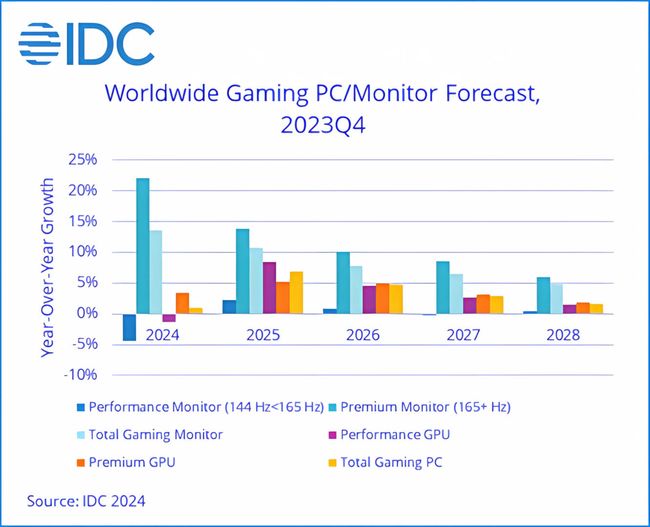


Gaming PC And Graphics Card Shipments Will Grow Into 2025 Due To 650 80 . How Much Does It Cost To Build A Gaming PC Budget Allocation 1 1024x576 . PC Gaming In 2026 Faces GPU Shortages And Rising Prices NoobFeed Rx 9060 Xt . How Much Does A Gaming PC Cost A Beginner S Guide Voltcave Lancool Featured Image . Amazon Limited Time Deal Plummets Superb Skytech RTX 5070 Gaming PC To Skytech Gaming Chronos 3 Amazon Deal
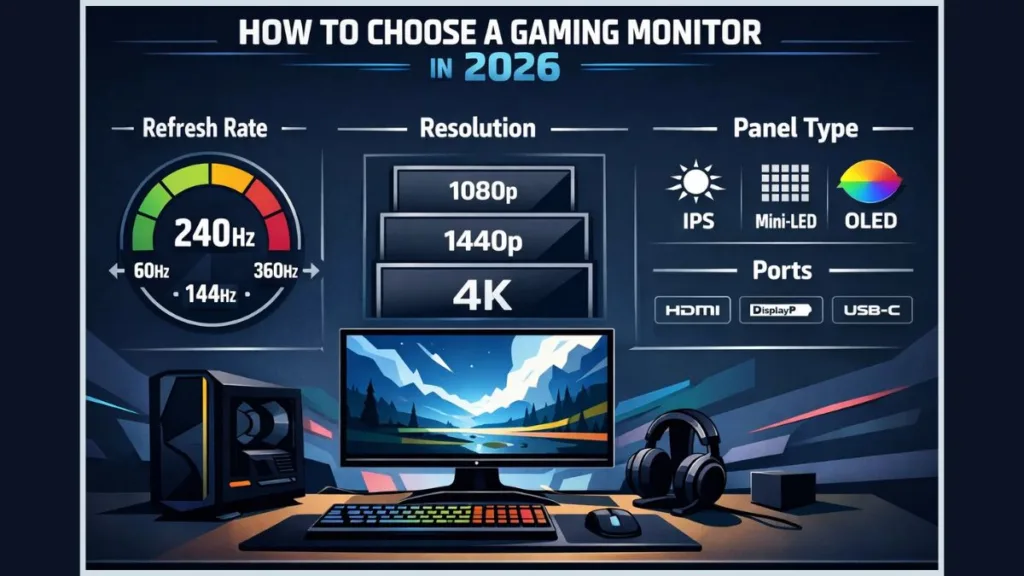

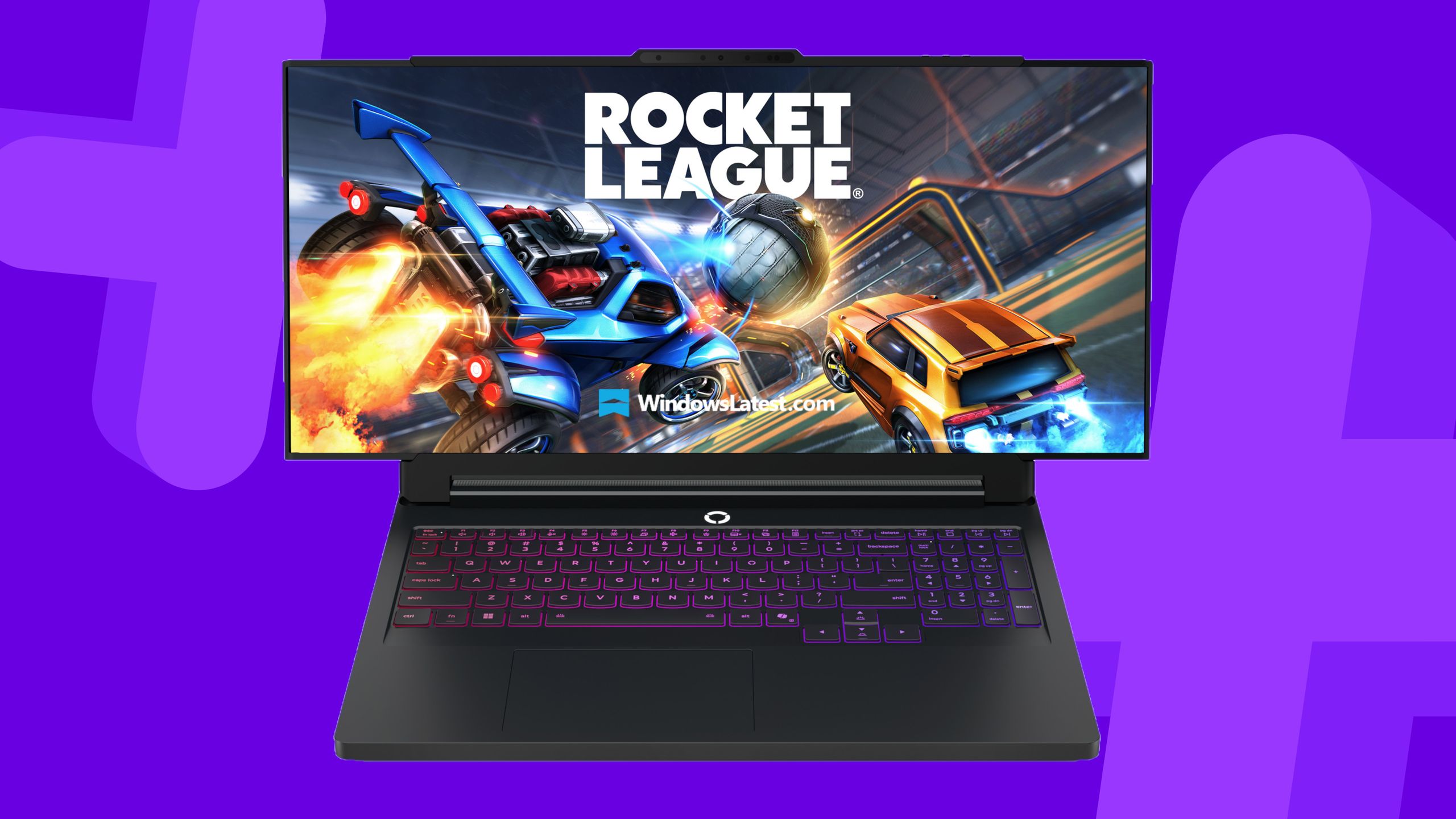

How To Choose A Gaming Monitor In 2026 Complete Gaming Monitor Buying Gaming Monitor Guide 2026. Top 10 Most Anticipated Games Of 2026 What To Watch Out For GAMES IN 2026 . Lenovo Could Be Solving One Of The Biggest Problems With Gaming Laptops 2560 80 . RTX 5080 Gaming PC Deal Slashes Price By 18 As January Sales Continue RTX 5080 Gaming PC Deal Slashes Price By 18 As January Sales Continue . How To Upgrade Your Gaming PC 2026 Edition GadgetMates Bg Intro1


Gaming PC And Graphics Card Shipments Will Grow Into 2025 Due To 1200 80 . How To Buy The Right Gaming Laptop A Guide For 2023 Tom S Hardware . KRYNORCXY I7 Gaming Pc Full Setup Desktop Complete Computer SL1500 . Best Budget Gaming PC 2024 Quality Screens Increased Memory Budget PC Extra Immediate . Asus New ROG Mini Gaming PC Packs An Nvidia GeForce RTX 5080 Gaming GPU Asus Rog Nuc 2025