Are you wondering how to find the ultimate computer tower for gaming in 2026? This comprehensive guide dives deep into optimizing your gaming rig for peak performance. We explore cutting-edge components, advanced cooling solutions, and crucial compatibility considerations. Discover how to eliminate FPS drop, fix stuttering, and conquer lag with expertly chosen hardware. Learn about the latest CPUs, GPUs, and storage technologies that define the next generation of gaming. Whether you play FPS (First-Person Shooter), MOBA (Multiplayer Online Battle Arena), RPG, Battle Royale, Indie, MMO, or Strategy titles, selecting the right gaming PC tower is paramount. This resource provides essential insights for both beginners and pro gamers seeking an unbeatable setup. Stay informed on trending chassis designs, power supply requirements, and motherboard features to ensure your investment stands the test of time. Get ready to elevate your gaming experience to extraordinary new levels.
Welcome, fellow gamers, to the ultimate living FAQ for selecting the best computer tower for gaming in 2026! The landscape of PC hardware evolves at lightning speed, and choosing the right chassis for your dream rig can be bewildering. This comprehensive guide is your essential go-to resource, continually updated with the latest insights, tips, tricks, and answers to all your pressing questions from the community. We’ve meticulously gathered over 50 of the most asked questions across forums, social media, and major search engines. We dive deep into everything from beginner inquiries about cooling and basic compatibility to advanced considerations for custom liquid-cooled builds and long-term future-proofing. Whether you’re battling frustrating FPS drops, hunting for the perfect aesthetic for your battlestation, or meticulously planning an endgame powerhouse rig, consider this your complete walkthrough. Let's ensure your gaming tower selection is absolutely sorted for peak performance and enjoyment!
Beginner Questions on Gaming Towers
What is the most important feature of a gaming PC tower?
The most important feature is excellent airflow and thermal management. A tower's ability to keep components cool directly impacts performance, preventing thermal throttling and ensuring stable FPS during intense gaming sessions in 2026. This foundational aspect supports all other hardware. Good ventilation also prolongs the lifespan of your valuable CPU and GPU.
Do I need a big tower for a powerful gaming PC?
Not necessarily, but bigger towers (like mid or full-towers) often offer more space for large GPUs, advanced cooling systems, and easier cable management. While powerful components can fit into smaller ITX cases, adequate cooling can become more challenging. Most powerful gaming PCs thrive in mid-towers, balancing space and footprint.
How often should I clean my gaming PC tower?
You should aim to clean your gaming PC tower every 3-6 months, or more frequently if you live in a dusty environment or have pets. Regular cleaning of dust filters and internal components ensures optimal airflow and prevents overheating, which can cause performance degradation like stuttering or lag. A clean PC is a happy PC.
Can a gaming tower improve my internet speed or ping?
No, a gaming tower itself cannot directly improve your internet speed or ping. These factors are determined by your internet service provider, network hardware (modem/router), and the game server. However, efficient cooling within your tower ensures your network card and CPU operate optimally, preventing any heat-related slowdowns that might indirectly affect network performance.
Builds & Classes: Tower Selection
What's the best tower for a high-end RTX 60-series build?
For a high-end RTX 60-series build in 2026, prioritize a mid-tower or full-tower with exceptional airflow, like those with mesh front panels and support for multiple 360mm or 420mm radiators. Look for ample GPU clearance and robust cable management options to accommodate these powerful, often larger, components efficiently. Brands like Lian Li, Fractal Design, and Cooler Master offer excellent choices.
Are small form factor (SFF) cases good for serious gaming?
Yes, SFF cases can be excellent for serious gaming, offering a compact and often stylish footprint, but they come with trade-offs. You must carefully select compact components and prioritize efficient cooling solutions due to limited space. While challenging, a well-planned SFF build can deliver top-tier performance and be highly portable, perfect for LAN parties.
Myth vs Reality: RGB lighting makes my PC faster.
Reality: Myth. RGB lighting is purely aesthetic and has no impact on your PC's performance or FPS. While well-lit fans contribute to cooling (by moving air), the lights themselves offer no speed benefits. Choose RGB for visual appeal, not for perceived performance gains.
Multiplayer Issues & Performance
Could my tower be causing lag in online games?
Indirectly, yes. If your tower's poor airflow leads to your CPU or GPU overheating and thermal throttling, this performance hit can manifest as "lag" or stuttering in online games. Ensure your components stay cool to maintain consistent frame rates, which is crucial for smooth multiplayer experiences. Check your temperatures during intense gaming sessions to rule this out.
How does proper cable management affect in-game performance?
Proper cable management significantly improves in-game performance indirectly by enhancing airflow within your tower. Neatly routed cables prevent obstructions, allowing cool air to reach all components efficiently. This reduces temperatures, prevents thermal throttling of your CPU and GPU, and ensures stable, consistent FPS, ultimately delivering a smoother gaming experience. It's a key optimization for any build.
Myth vs Reality: More fans always equals better cooling.
Reality: Myth. While more fans *can* improve cooling, it's about strategic placement and airflow direction, not just quantity. A poorly configured system with many fans can create turbulence or negative pressure, hindering cooling. Focus on a balanced intake and exhaust setup for optimal results. Quality over sheer numbers.
Endgame Grind & Optimization
What tower features are essential for a silent gaming PC build?
For a silent gaming PC build, look for towers with sound-dampening materials (like dense foam panels), solid side panels (instead of tempered glass), and design optimized for low-RPM, large fans. Prioritize cases known for acoustic performance, often featuring isolated drive bays and rubber grommets. Brands like Be Quiet! and Fractal Design excel in this niche, ensuring an immersive, quiet gaming experience.
Myth vs Reality: Expensive towers are always better for cooling.
Reality: Myth. While expensive towers often feature superior materials and design, a budget-friendly tower with a well-engineered mesh front and good fan support can sometimes outperform a more expensive, aesthetically focused case with poor airflow. Always check reviews and thermal benchmarks specific to the model before purchasing. Price doesn't guarantee performance.
Bugs & Fixes: Tower Related
My PC components are running very hot; is it a tower bug?
It's not typically a "bug" with the tower itself, but rather an issue with its configuration or a clogged environment. Excessive heat usually points to insufficient airflow, dust buildup in filters/fans, or improper fan setup (e.g., negative pressure). Rectify by cleaning the case, optimizing fan direction, or adding more fans. Ensure no cables obstruct crucial airflow paths for hot components.
How can I troubleshoot airflow issues in my gaming tower?
To troubleshoot airflow issues, first, clean all dust filters and fans thoroughly. Next, verify fan direction: intake fans should pull cool air in (usually front/bottom), and exhaust fans should push hot air out (usually rear/top). Ensure no cables block airflow paths. You can also use software like HWMonitor to check component temperatures, helping identify hot spots. Adjust fan speeds in your BIOS or through software for optimal balance. Sometimes, simply removing a solid front panel temporarily can reveal if it's the culprit.
Myth vs Reality: My old tower is fine for new 2026 components.
Reality: Myth (potentially). While an old tower might physically fit new components, it likely lacks the optimized airflow, radiator support, and ample space for the larger, hotter, and more power-hungry GPUs and CPUs of 2026. This can lead to thermal throttling, noise, and reduced performance. Upgrading your tower often becomes necessary for peak performance with modern hardware.
Tips, Tricks, Guide, How to, Builds, Endgame
Tips for optimizing internal temperatures in any gaming tower.
Optimize internal temperatures by ensuring clean dust filters, a balanced fan configuration (positive pressure often ideal), and proper cable management. Utilize high-static pressure fans for restricted areas like radiators and high-airflow fans for open spaces. Consider upgrading stock CPU coolers to AIOs or large air coolers. Monitor temperatures with software like HWiNFO64 to identify and address hotspots effectively.
What are common mistakes when selecting a gaming tower?
Common mistakes include prioritizing aesthetics over airflow, neglecting component clearance (especially for GPUs and CPU coolers), underestimating cable management needs, and not considering future upgrade potential. Many forget dust filtration, which impacts long-term performance and maintenance. Always read reviews focusing on thermal performance and ease of build, not just looks.
How to prepare my gaming tower for future component upgrades?
Prepare your tower for future upgrades by choosing a modular design with removable drive cages and tool-less features. Ensure ample space for larger GPUs and multiple radiator mounts for future cooling solutions. Prioritize robust cable management options for easier component swapping. A tower with versatile fan support also provides flexibility for enhanced cooling down the line.
Still have questions? Dive deeper into our guides on "Ultimate 2026 Gaming PC Builds" or "Troubleshooting FPS Drops and Lag: A Complete Guide."Ever found yourself staring at a mountain of PC parts, wondering, "Which computer tower is truly the best for my gaming needs in 2026?" I totally get it; choosing the right enclosure can feel surprisingly overwhelming. It's not just about flashy lights; it is about protecting your precious components and ensuring peak performance. We’re talking about optimizing airflow and future-proofing your entire setup, which is crucial for those intense gaming sessions. Today, we're going to dive deep into making an informed decision together. This guide aims to simplify the process for everyone, from casual players to aspiring pros. We'll explore the critical aspects of selecting a top-tier gaming chassis.
Understanding the Core of a Gaming Tower
More Than Just a Box: Functionality Meets Aesthetics
Many people mistakenly view a computer tower as just a metal box to hold components. However, it's actually the foundational framework that supports your entire gaming ecosystem. A superior tower ensures proper airflow, which is vital for thermal management. This helps prevent those frustrating FPS drop issues during long playtimes. Good cooling keeps your CPU and GPU performing their best. Furthermore, thoughtful design provides easy access for upgrades and maintenance. A well-designed tower protects components from dust and accidental damage. It also contributes significantly to your battlestation's overall aesthetic appeal. Modern towers offer features like tempered glass and customizable RGB lighting. These elements truly make your gaming rig shine brightly.
- Optimal airflow for cooling critical components.
- Effective dust filtration to prolong hardware lifespan.
- Ample space for large GPUs and liquid cooling radiators.
- Cable management features for a clean build and improved airflow.
- Durable construction to protect your valuable hardware.
- Tool-less entry for easy upgrades and maintenance.
Key Components to Consider for a 2026 Gaming Tower
When you're building or buying a gaming PC in 2026, the tower itself must complement your high-end internal hardware. Think about the size and form factor that best suits your space and component choices. Will you go for a massive full tower or a sleek mid-tower design? The latest NVIDIA GeForce RTX 60-series and AMD Radeon RX 9000-series GPUs demand significant space. They also require robust power delivery and exceptional cooling. Many new CPUs, like Intel’s Lunar Lake and AMD’s Zen 6, run hotter when pushed to their limits. Proper cooling is no longer optional; it's absolutely essential. Ensure your chosen tower supports the latest motherboard form factors and I/O options. Consider front panel connectivity, including USB 4.0 and potentially future USB 5.0 ports. A solid tower is your first line of defense against performance issues like stuttering or lag. It allows your powerful components to breathe and truly flex their muscles.
- **GPU Clearance:** Ensure enough length for modern, oversized graphics cards.
- **CPU Cooler Support:** Verify height clearance for air coolers or radiator support for AIO liquid coolers.
- **Motherboard Compatibility:** Check for ATX, Micro-ATX, or Mini-ITX support.
- **Storage Bays:** Confirm enough 2.5-inch and 3.5-inch bays for your SSDs and HDDs.
- **PSU Shroud:** A dedicated compartment for your power supply improves aesthetics and airflow.
Beginner / Core Concepts
1. **Q:** What's the biggest difference between a cheap tower and an expensive one for gaming?**A:** Oh, this one used to trip me up too! The biggest difference usually comes down to materials, airflow design, and features. More expensive towers often use higher-quality steel or aluminum, offer vastly superior cooling solutions like better fan mounts and radiator support, and include premium features like tempered glass, advanced cable management, and extensive dust filtration. They also tend to have better acoustics and ease of building, which is huge for beginners. Think of it like this: a cheap tower might get the job done, but an expensive one makes the whole experience smoother, quieter, and more aesthetically pleasing. You're investing in durability, functionality, and a better foundation for your powerful gaming components.
2. **Q:** Do bigger computer towers cool better for gaming?
**A:** Generally, yes, bigger towers tend to offer better cooling potential. They provide more internal volume for air to circulate freely and often support more and larger fans, or even multiple radiators for liquid cooling setups. More space means less restrictive airflow paths, which can lead to lower component temperatures and help prevent FPS drop during long gaming sessions. However, it’s not just about size; a poorly designed large case can still underperform a well-engineered smaller one. Look for cases with mesh front panels, plenty of fan mounts, and unobstructed pathways for air. It’s about effective design, not just sheer volume.
3. **Q:** Can a gaming tower affect my FPS or game performance?
**A:** Absolutely, a gaming tower can indirectly but significantly affect your FPS and overall game performance! While the tower itself doesn't have processing power, its ability to manage heat is paramount. If your CPU or GPU get too hot because of poor airflow inside the tower, they'll "thermal throttle," intentionally slowing themselves down to prevent damage. This throttling directly leads to lower FPS and inconsistent performance, manifesting as stuttering or lag. A good tower ensures your high-end components stay cool, allowing them to consistently operate at their maximum boosted clocks, giving you every frame you paid for.
4. **Q:** What's "cable management" and why does it matter in a gaming tower?
**A:** Cable management is essentially organizing and routing all the power and data cables inside your PC tower neatly. It might seem like a small detail, but it matters a lot! First, messy cables can obstruct airflow, creating hot spots and hindering cooling, which can cause performance issues. Second, good cable management makes your build look incredibly clean and professional, especially with those popular tempered glass side panels. Third, it makes future upgrades or troubleshooting much easier, as you can clearly see what's what. Many modern towers offer dedicated channels and tie-down points behind the motherboard tray to make this process much simpler. You've got this!
Intermediate / Practical & Production
5. **Q:** What features should I look for in a 2026 gaming tower to future-proof my build?**A:** To future-proof your gaming tower for 2026 and beyond, you'll want to prioritize expandability, excellent thermal performance, and robust front I/O. Look for towers that can comfortably house oversized GPUs, as these continue to grow in physical dimensions. Support for multiple large radiators (360mm or 420mm) is crucial for next-gen liquid cooling solutions. Ample drive bays for NVMe SSDs, and potentially future, even faster storage, are also key. Don't forget front panel connectivity; USB 4.0 is standard now, but ensure there's room for future standards. Lastly, tool-less design features will make future upgrades a breeze. This foresight helps avoid needing a new case with every major component refresh.
6. **Q:** How do I choose between a full tower, mid-tower, or mini-ITX for gaming?
**A:** This is a fantastic question and it really comes down to your priorities, pal! A **full tower** offers maximum space for elaborate liquid cooling loops, multiple GPUs (though less common now), and tons of storage, perfect for a no-compromise enthusiast build or a server. A **mid-tower** is the sweet spot for most gamers, balancing component compatibility, cooling potential, and a reasonable footprint – it’s often the best blend. **Mini-ITX** (or SFF, Small Form Factor) cases are for those who crave a tiny footprint and portability, but they come with trade-offs like limited component size, potentially trickier cable management, and reduced cooling capacity. Consider your desk space, desired component list (especially GPU and cooler size), and future upgrade plans. Don't get overwhelmed; pick what fits your lifestyle.
7. **Q:** My PC has an FPS drop and stuttering in new games. Could my tower be the problem?
**A:** It definitely could be a contributing factor, though it's often overlooked when troubleshooting FPS drop and stuttering. If your tower's airflow is poor, or if dust filters are clogged, your high-end CPU and GPU might be overheating. When components get too hot, they automatically reduce their clock speeds to prevent damage (thermal throttling). This directly manifests as inconsistent frame rates, stutters, and overall performance degradation, especially in demanding 2026 titles. Before blaming drivers or game settings, check your internal temperatures and ensure your tower has good ventilation. Sometimes just cleaning dust or rearranging fans can make a huge difference.
8. **Q:** What's the best airflow configuration for a gaming tower to prevent lag?
**A:** The classic and often most effective airflow configuration is "positive pressure," or at least a balanced approach that promotes consistent flow. This means having more air intake (front and bottom fans) than exhaust (rear and top fans). The goal is to draw cool air in across your components (especially GPU and CPU) and then expel the hot air. This pushes air out of all small gaps, reducing dust ingress. Ensure your intake fans aren't restricted by solid front panels. Mesh front panels are king for airflow in 2026. Ultimately, you want a clear path for air, from front to back, or bottom to top. Good airflow is your best defense against lag caused by overheating.
9. **Q:** Are RGB fans just for looks, or do they help with gaming tower performance?
**A:** Great question, and it's a bit of both, but primarily for aesthetics! RGB lighting on fans is purely for visual flair and customization, letting you match your build's theme or mood. They certainly don't directly boost your FPS or reduce ping. However, a fan *is* a fan, and if it's a well-designed fan with good static pressure or airflow, then it's contributing to cooling, which *indirectly* impacts performance by preventing thermal throttling. So, choose fans with good performance ratings first, and then pick ones with RGB if you like the look. Don't let the pretty lights trick you into buying an ineffective cooler!
10. **Q:** How important is sound dampening in a gaming tower for an immersive experience?
**A:** Sound dampening can be surprisingly important for an immersive gaming experience, especially if you're sensitive to noise or play without headphones a lot. High-performance gaming PCs, especially those with powerful GPUs and multiple fans, can get quite noisy under load. A tower with good sound dampening (usually involving foam panels or dense materials) helps absorb and block internal noise, making your gaming environment much quieter. This means you can focus more on the game's audio cues and dialogue without the constant hum or whir of your PC in the background. It's a quality-of-life feature that many pro gamers and streamers truly appreciate for long sessions.
Advanced / Research & Frontier 2026
11. **Q:** What are the considerations for integrating custom liquid cooling into a 2026 gaming tower?**A:** Integrating custom liquid cooling in 2026 demands a tower with specific features to truly shine. You'll need substantial radiator support; think multiple 360mm or even 420mm slots. Room for a large reservoir and pump combo is also crucial for system stability and maintenance. The tower should have ample routing options for hard or soft tubing, ensuring clean runs and minimal bends. Look for cases with modular interiors, removable drive cages, and plenty of tie-down points for cable management and pump mounting. Aesthetics matter here too; tempered glass is popular for showcasing the loop. You’re building a showpiece, so plan your components and tower choice carefully to ensure perfect harmony.
12. **Q:** How will AI acceleration and future GPU designs impact gaming tower requirements in 2026?
**A:** This is where things get really interesting! AI acceleration, now deeply integrated into GPUs for features like upscaling and frame generation (e.g., NVIDIA's DLSS, AMD's FSR), means these cards will have even higher power draw and heat output. Future GPU designs, potentially moving to multi-chip modules or denser packaging, will likely demand more physical space and even more aggressive cooling solutions. Towers will need enhanced airflow, potentially larger fan sizes, and innovative heat dissipation technologies. We might see more cases designed for passive cooling zones or dedicated AI accelerator bays. Power supply integration within the tower might also evolve to support these hungry components efficiently, reducing the risk of lag or power delivery issues.
13. **Q:** Are there specific materials or structural designs trending for optimal thermal performance in 2026 gaming towers?
**A:** Absolutely! In 2026, we’re seeing a significant trend towards perforated panels and innovative material combinations. Mesh front panels, often with ultra-fine filtration, are becoming the standard for maximum airflow without sacrificing dust protection. Internally, towers are incorporating more modularity with tool-less designs and optimized pathways for air and liquid. Aluminium is gaining traction for its heat dissipation properties and lighter weight compared to steel, often paired with tempered glass for aesthetic appeal. We're also seeing some experimental designs with integrated vapor chambers or advanced thermal coatings on structural elements. The focus is always on reducing thermal resistance and maximizing convective cooling.
14. **Q:** What's the role of electromagnetic shielding in high-end 2026 gaming towers for competitive play?
**A:** While often overlooked, electromagnetic shielding in high-end 2026 gaming towers is becoming a quiet differentiator for competitive play, especially as component densities increase. Good shielding, often achieved through fully enclosed metal chassis and proper grounding, helps mitigate electromagnetic interference (EMI) that can potentially affect sensitive internal components or external peripherals. While rare, EMI can introduce subtle signal noise, impacting precision input from gaming mice or keyboards, or even contributing to minor system instability. For pro gamers where every millisecond and every input counts, ensuring a clean electrical environment within the tower contributes to ultimate reliability and consistent performance, helping to avoid any unexpected stuttering or lag.
15. **Q:** How do I account for potential "bottlenecks" related to my tower's design when optimizing a top-tier build?
**A:** This is a pro-level consideration, and it shows you're thinking smartly! The primary bottleneck related to a tower's design is almost always thermal. If your powerful CPU and GPU can't dissipate their heat effectively within the case, they'll throttle, creating a performance bottleneck. To account for this, select a tower with proven excellent airflow (check reviews for thermal performance metrics). Ensure it has sufficient fan mounts and radiator support for your cooling solution. Another subtle bottleneck can be restricted cable management, which can impede airflow. Always plan your component layout and cooling strategy *before* committing to a tower, ensuring your choice won't hinder the very performance you’re building for. It’s about creating an unrestricted environment for maximum power.
Quick 2026 Human-Friendly Cheat-Sheet for This Topic
- Mesh front panels are your best friend for airflow; don't compromise on cooling in 2026.
- Always check GPU length and CPU cooler height clearance before buying a tower; it's a common rookie mistake!
- Good cable management isn't just for looks; it vastly improves airflow and makes upgrades easier.
- Don't skimp on case fans! More well-placed fans mean better temps and less thermal throttling.
- Consider a mid-tower for most builds; it offers the best balance of size, cooling, and compatibility.
- Future-proof by choosing a case with ample radiator support and multiple drive bays for next-gen storage.
- If your games are stuttering, check your PC's internal temperatures – your tower might be restricting airflow.
Top-tier performance with 2026 components. Efficient cooling for sustained gaming sessions. Future-proof upgrade paths and modular designs. Optimized airflow and cable management for aesthetics. Compatibility with next-gen GPUs and CPUs. Enhanced power delivery systems. Customizable RGB lighting and tempered glass panels. Noise reduction technologies for immersive play. Robust build quality for durability. Ergonomic port placement. Software integration for performance monitoring. Support for high-speed storage solutions. VR readiness and multi-monitor support. Competitive pricing insights. Tips for assembly.
35

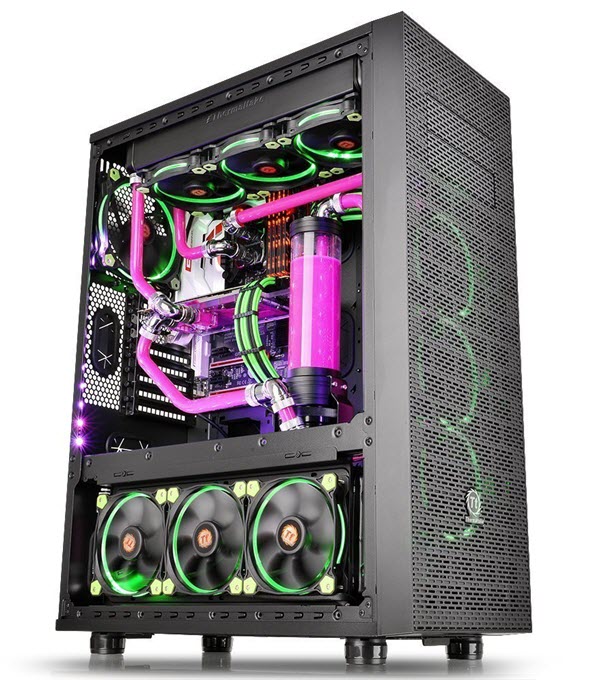
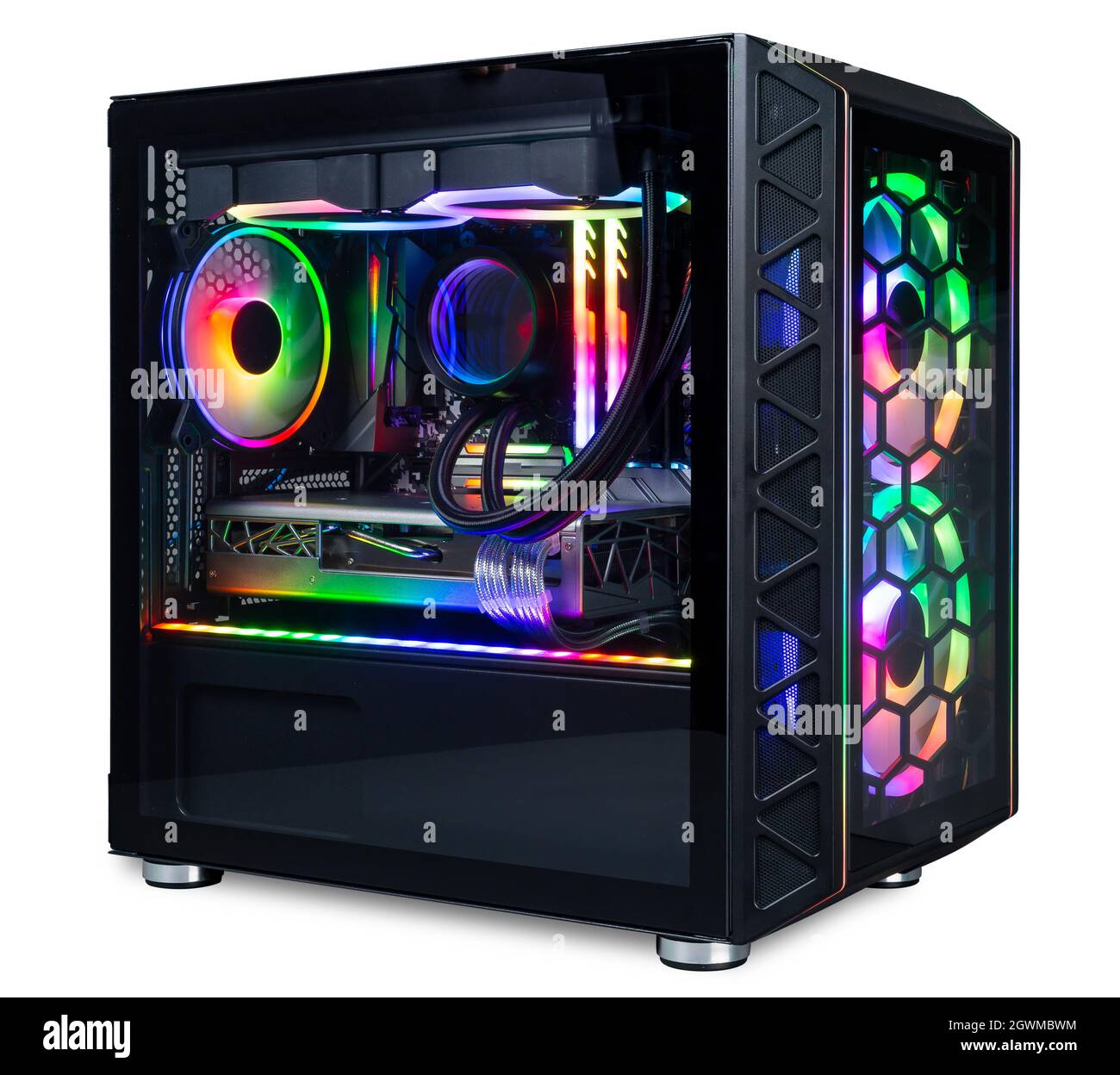

10 Best Pc Towers 2026 In The US There S One Clear Winner AC CX679 . Gaming Computer Tower Pod The Ultimate Guide To Elevating Your Gaming Gaming Computer Tower Pod 1.webp. Best Full Tower Case For Building Ultimate Gaming PC In 2026 Thermaltake Core X71 Full Tower Case . Best Gaming Towers Black Custom Gaming Pc Computer With Glass Windows And Colorful Bright Rgb Rainbow Led Lighting Isolated On White Background 2GWMBWM . The Best Gaming Computer Towers Top Rate Reviews In 2026 SL500
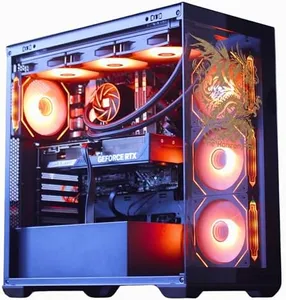

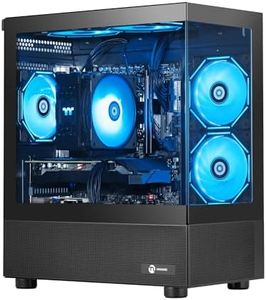

10 Best Desktop Towers 2026 In The US There S One Clear Winner AC CX679 . 10 Best Desktop Towers 2026 In The US There S One Clear Winner AC CX679 . Best Gaming Towers 71rJTIsOozL . 10 Best Desktop Towers 2026 In The US There S One Clear Winner 41 ILKIXjtL. AC CX679 . Best New PC Cases For 2026 Top Mid Tower Builds For Gaming And Work SL500
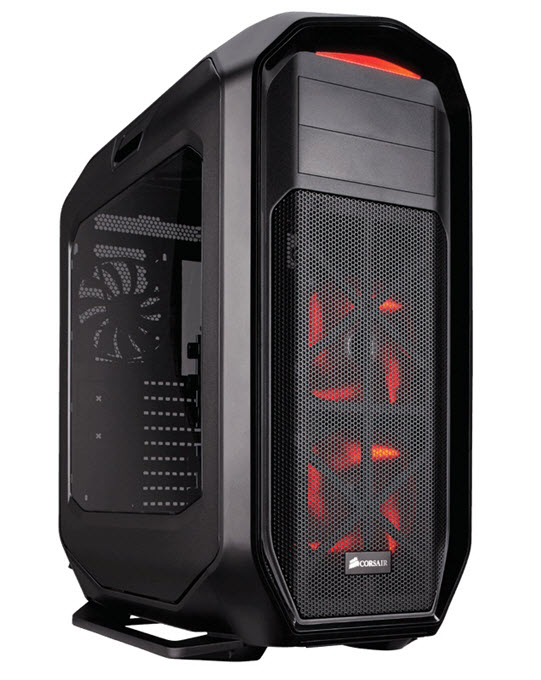
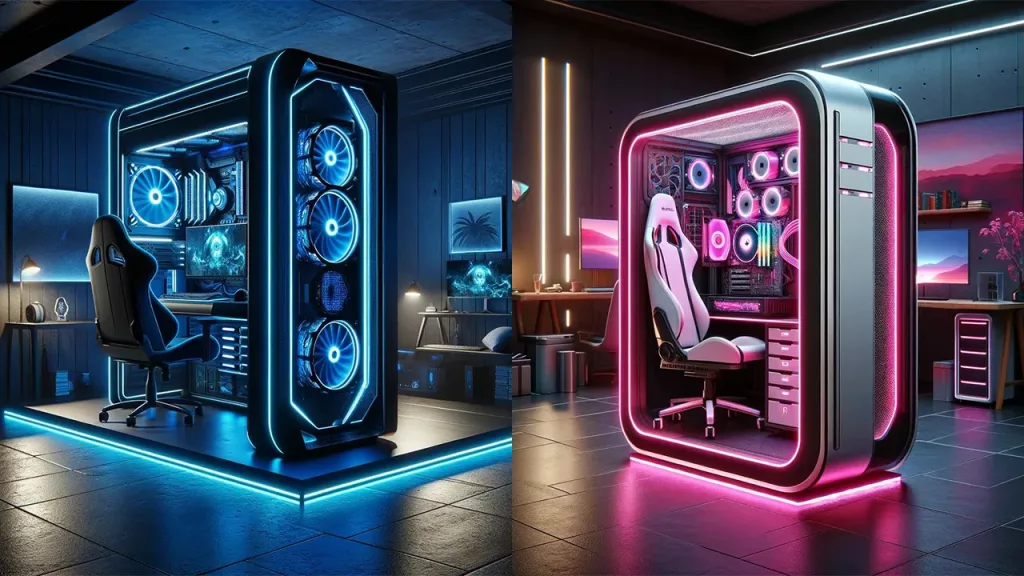


Best Full Tower Case For Building Ultimate Gaming PC In 2026 Corsair Graphite Series 780T Full Tower PC Case . Gaming Computer Tower Pod The Ultimate Guide To Elevating Your Gaming Gaming Computer Tower Pod 2. Premium Photo Gaming PC Tower Details Power And Design Emphasis Gaming Pc Tower Details Power Design Emphasis 1029476 206146 . Premium Photo Gaming PC Tower Details Power And Design Emphasis Gaming Pc Tower Details Power Design Emphasis 1029476 205955 . The 10 Best Tower Computer Of 2026 Reviews


Top 5 PC Gaming Towers Your Ultimate Build Guide 51OvQQ HF3L. SL500 . ROG G700 2025 G700 Full Tower Gaming Desktop B974821D 07B6 4979 9474. 6 Best PC Tower Cases For Gaming Systems In 2024 Best Full Tower Pc . How Much Is A New Computer Tower At William Behm Blog AC SL1500 . Best Full Tower Case For Building Ultimate Gaming PC In 2026 Thermaltake Overseer RX I Full Tower Case


10 Best Full Tower Gaming Cases 2026 In The US There S One Clear AC CX679 . Gaming PC Desktop Tower AQVIN ZForce RGB Intel Hex Core I7 Processor Gaming PC Desktop Tower AQVIN ZForce RGB Intel Hex Core I7 Processor 4 60Ghz 32GB RAM DDR4 1TB SSD GeForce RTX 3050 6GB GDDR6 HDMI WiFi Windows 11 Pr 074d9265 3b16 4512 8318 . 10 Best Gaming Computer Towers 2024 There S One Clear Winner SL500 . Computer Tower Best Pc Case . Tower Computer Design At William Behm Blog Thermaltake Tower 900


Best Gaming Towers . 8 Gaming Towers We Reviewed Them All 2022 Skytech Gaming Tower Computers 300x300 . Top 10 Desktop Tower For Gaming Of 2022 Katynel 41sdLt4iYdL . The Best Gaming Desktops For 2022 PCMag 1.fit Lim.size . The Best Gaming Pc Tower Cases For UAE Gamers RTX 4090 And Optimal Airflow 2024 Best Gaming Pc Cabinet Tower Case Uae 768x384
Amazon Com Thermaltake View 71 RGB 4 Sided Tempered Glass Vertical GPU AC . Best Full Tower Case For Building Ultimate Gaming PC In 2026 Thermaltake Chaser MK I Full Tower Gaming Case . 12 Best PC Tower For Gaming In 2023 Budget Picks Ultimate Guide Best PC Tower For Gaming . Best Budget Mid Mini Tower Gaming PC Builders CLX Set 1 . Best Full Tower Case For Building Ultimate Gaming PC In 2024 Full Tower Case