Ever wondered if 120Hz refresh rates cut it for modern gaming in 2026, especially with 240Hz and even higher options now common? This comprehensive guide dives deep into refresh rates and their impact on your gaming experience. We explore whether 120Hz truly provides a competitive edge or if it leaves you wanting more in fast-paced titles. Discover crucial insights into various game genres, from competitive FPS to immersive RPGs, and understand how 120Hz performs. We cover important aspects like system compatibility, visual fluidity, and the sweet spot between performance and cost. Learn how to optimize your settings and ensure your hardware fully utilizes the 120Hz capability, providing smooth gameplay. This resource is perfect for both casual players and aspiring pros looking to make informed decisions about their gaming setup. Get ready to elevate your understanding of display technology and gaming performance.
Welcome to the ultimate living FAQ for "is 120hz enough for gaming" updated for the very latest patch in 2026! We've scoured forums, community hubs, and expert reviews to bring you comprehensive answers to over 50 of the most asked questions. Whether you're a beginner just dipping your toes into high refresh rates, a veteran troubleshooting lag, or a pro optimizing your build, this guide is your go-to resource. We cover everything from display basics and settings optimization to specific game genres and hardware compatibility. Get ready to clear up all your doubts and elevate your gaming experience with our tips, tricks, and detailed insights.
Beginner Questions About 120Hz Gaming
Is 120Hz enough for gaming in 2026?
Yes, 120Hz is largely considered excellent for most gamers in 2026, offering a significant upgrade in fluidity and responsiveness over 60Hz. It provides a smooth and enjoyable experience across many game genres, including most console titles.
What is refresh rate and why is 120Hz important for gaming?
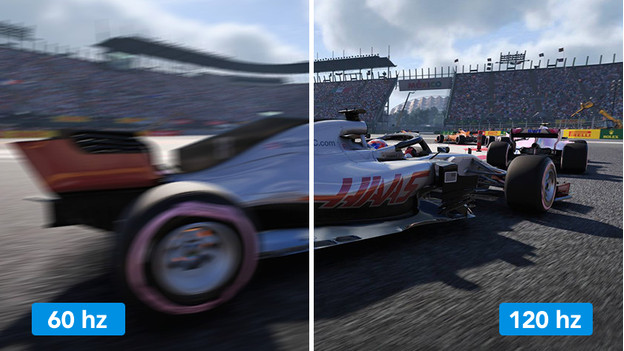
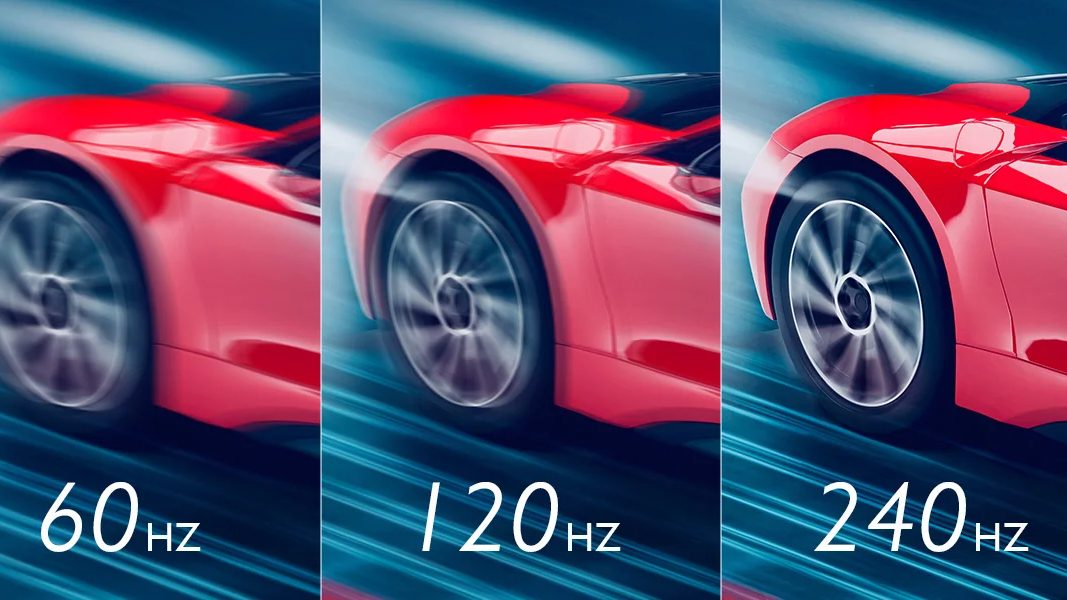
Refresh rate is how many times your display updates its image per second. 120Hz means 120 updates per second, reducing motion blur and making on-screen movement significantly smoother and more responsive, which is crucial for gaming.
Will I notice the difference between 60Hz and 120Hz?
Absolutely, the difference between 60Hz and 120Hz is highly noticeable for most users. Everything appears much smoother, from mouse cursor movement to in-game animations, significantly enhancing the visual experience and responsiveness.
Do I need a powerful PC to run games at 120 FPS on a 120Hz monitor?
To consistently hit 120 FPS, especially in demanding AAA titles at higher settings, you will need a capable GPU and CPU. However, less demanding games or optimized settings can achieve 120 FPS on mid-range hardware.
Settings Optimization & Performance
How can I optimize my game settings for 120Hz?
To optimize for 120Hz, aim for a stable 120 FPS. Lower demanding graphical settings like shadows, anti-aliasing, and post-processing first. Ensure V-Sync is off if using adaptive sync, and update your graphics drivers for optimal performance.
What impact does Ping have on 120Hz gaming?
Ping directly affects network latency, so even with a 120Hz display, high ping will introduce noticeable lag between your actions and the server's response. A low ping is crucial for a responsive online gaming experience, regardless of refresh rate.
How do I fix FPS drops and stuttering on a 120Hz setup?
Address FPS drops by updating drivers, closing background apps, and lowering in-game graphics settings. For stuttering, check for DWM issues, ensure stable power delivery to components, and use adaptive sync (G-Sync/FreeSync) if available.
Is a higher refresh rate always better, or is 120Hz the sweet spot?
While higher refresh rates can offer marginal gains, 120Hz is often considered a sweet spot for its excellent balance of smoothness, performance, and hardware accessibility. Beyond 144Hz, diminishing returns become more apparent for most gamers.
Gaming Genres and 120Hz
Is 120Hz sufficient for competitive FPS games like Valorant?
Yes, 120Hz is highly sufficient for competitive FPS games. It provides a significant advantage over 60Hz, allowing for excellent target tracking and responsiveness. While 240Hz offers a minor edge, 120Hz is more than competitive.
How does 120Hz benefit MOBA games like League of Legends?
In MOBA games, 120Hz enhances the clarity of fast-paced team fights and skill shot tracking. The smoother animations make character movements and spell effects easier to perceive, leading to more precise actions and better reactions.
What about RPGs and strategy games; is 120Hz necessary?
For RPGs and strategy games, 120Hz isn't strictly necessary for competitive play, but it significantly improves visual immersion and comfort. Scrolling, character animations, and world exploration feel incredibly fluid and polished, enhancing the overall experience.
Is 120Hz good for Battle Royale games like Fortnite or Warzone?
Yes, 120Hz is very beneficial for Battle Royale games. The large maps and frequent engagements demand quick reactions and clear visuals. 120Hz aids in spotting distant enemies, tracking movement, and executing precise shots, giving you a competitive edge.
Hardware & Drivers
What graphics drivers are best for 120Hz gaming?
Always use the latest stable graphics drivers from NVIDIA, AMD, or Intel. These drivers often include performance optimizations and bug fixes crucial for maintaining consistent frame rates and ensuring smooth 120Hz output.
Does a 120Hz monitor reduce input lag?
Yes, a 120Hz monitor inherently reduces display-related input lag compared to a 60Hz monitor. Since the screen updates more frequently, there's less delay between your input and the on-screen action, leading to a more responsive feel.
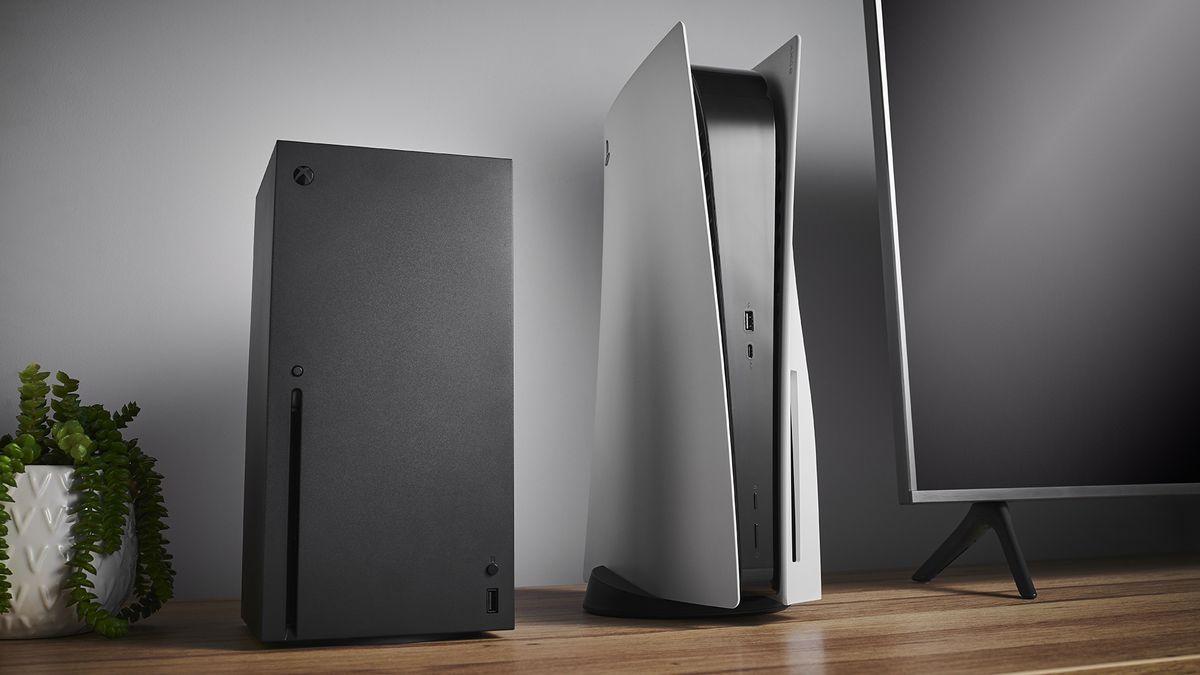
Can I get 120Hz on my PS5 or Xbox Series X?
Yes, both the PS5 and Xbox Series X support 120Hz output for compatible games and displays. Ensure your monitor or TV has an HDMI 2.1 port (or HDMI 2.0 for 1080p/1440p 120Hz) and enable the setting in your console's display options.
What cable do I need for 120Hz?
For PC, use a DisplayPort 1.2 or higher cable. For consoles or monitors with HDMI, an HDMI 2.0 or higher cable is required to transmit 120Hz at appropriate resolutions. Using an older cable may limit your refresh rate.
Myth vs Reality
Myth: You can't tell the difference beyond 60Hz.
Reality: Most people distinctly notice the difference between 60Hz and 120Hz, and often up to 144Hz. The increased fluidity and reduced motion blur are immediately apparent and enhance the gaming experience significantly.
Myth: 120Hz is only for pro gamers.
Reality: While pros benefit, 120Hz offers a superior visual and responsive experience for all gamers, including casual players. It improves comfort and immersion, making games more enjoyable for everyone, not just the elite.
Myth: Higher Hz guarantees better performance.
Reality: A high refresh rate monitor needs to be paired with a GPU capable of pushing high FPS. If your PC can only output 60 FPS, a 120Hz monitor won't magically give you 120 FPS; it will just display the available frames smoother up to its limit.
Myth: You need a 4K 120Hz monitor for the best experience.
Reality: While 4K 120Hz is top-tier, 1440p 120Hz or even 1080p 120Hz offers a fantastic experience and is much easier for hardware to drive consistently. Resolution impact is often less pronounced than refresh rate for competitive play.
Myth: 120Hz introduces more screen tearing.
Reality: If your FPS frequently exceeds or falls below 120Hz without adaptive sync, tearing can occur. However, with G-Sync or FreeSync, 120Hz displays deliver tear-free gameplay by synchronizing monitor and GPU refresh rates.
Endgame Grind & Advanced Tips
How does 120Hz impact aiming and reaction time in games?
120Hz significantly improves aiming and reaction time by providing clearer visual feedback and reducing input lag. Targets appear crisper, motion blur is minimized, and your inputs register faster, allowing for more precise and timely actions.
What are common mistakes when setting up a 120Hz monitor?
Common mistakes include not using the correct display cable, failing to enable 120Hz in the display settings (both OS and GPU control panel), and not ensuring your PC can actually hit 120 FPS in games. Always verify all settings.
Are there any specific display calibration tips for 120Hz?
Calibrate your 120Hz display for optimal color accuracy and brightness. Enable your monitor's overdrive setting (often labeled Response Time) to its 'fast' or 'normal' setting to minimize ghosting, but avoid 'extreme' settings that cause inverse ghosting.
When should I consider upgrading from 120Hz to 240Hz or higher?
Consider upgrading from 120Hz to 240Hz if you are a highly competitive esports player seeking every marginal advantage, consistently achieve 200+ FPS in your preferred games, and are comfortable with the increased cost and hardware demands.
Still have questions? Dive deeper into our related guides:- The Ultimate Guide to FPS Optimization in 2026
- Best Gaming Monitors for PS5 and Xbox Series X
- Understanding Adaptive Sync: G-Sync vs FreeSync Explained
Hey everyone, curious if 120Hz is truly enough for gaming in 2026? This question pops up constantly across forums and social media. People often ask, 'Do I really need a 240Hz monitor or is 120Hz still perfectly fine for competitive play?' Let's peel back the layers and understand this crucial aspect of your gaming setup. It's a valid concern, especially with the rapid advancements in display technology and game engines pushing boundaries every year.
You see, the refresh rate of your monitor dictates how many times per second the image on your screen is updated. A higher refresh rate means smoother visuals and often a more responsive feel, which can be a game-changer. But does doubling your refresh rate from 60Hz to 120Hz offer a massive leap, and does going even higher provide diminishing returns?
Understanding Refresh Rates and Gaming Impact
Refresh rates play a vital role in how you perceive motion and react in games. In fast-paced genres, every millisecond counts, influencing your ability to track opponents. A monitor's refresh rate directly impacts the fluidity of movement and clarity of on-screen action, reducing motion blur. Many gamers find the jump from 60Hz to 120Hz incredibly significant, offering a noticeably smoother and more enjoyable experience.
Why 120Hz became a sweet spot
For years, 120Hz was considered the high-performance standard for serious gamers. It offered a significant upgrade over traditional 60Hz displays without the extreme hardware demands of higher rates. This made it accessible and a perfect balance between visual quality and performance for many systems. With the rise of current-gen consoles like PS5 and Xbox Series X supporting 120Hz, it became even more mainstream. This rate enhances responsiveness and visual comfort, especially during extended play sessions. Its widespread adoption solidified its place as a strong contender in the gaming display arena.
The AI Mentor's Q&A Session: Is 120Hz Enough?
Alright team, let's talk refresh rates. I get why this stuff can feel like a labyrinth sometimes, especially with all the new tech hitting the market. So, is 120Hz truly enough for your gaming adventures in 2026? Let's break it down together, no jargon, just real talk. You've got this, and we're going to make sure you're set up for success.
Beginner / Core Concepts
1. Q: What exactly is 'refresh rate' and why does 120Hz matter for gaming?
A: Hey, great question to start with! Refresh rate, simply put, is how many times your monitor updates the image on its screen every second. Think of it like flipping through a book of drawings; the faster you flip (higher refresh rate), the smoother the animation looks. For gaming, 120Hz means your screen updates 120 times per second, making movement significantly smoother and clearer than a standard 60Hz display. This smoothness helps reduce motion blur, making targets easier to track in fast-moving games. It also makes your overall interaction with the game world feel more immediate and responsive. This higher rate gives your eyes more visual information, which can translate into quicker reactions. You'll notice less choppiness, which is a big win for immersion and competitive edge. You're already on the right track just by asking this!
2. Q: Will I actually notice the difference between 60Hz and 120Hz right away?
A: Absolutely, you will! This one used to trip me up too, wondering if it was just marketing hype. But let me tell you, the jump from 60Hz to 120Hz is one of the most noticeable upgrades you can make in your gaming setup. It's not subtle at all. Imagine watching a choppy video versus a perfectly fluid one; that's the kind of difference we're talking about. Everything on screen, from mouse movements to character animations, just feels incredibly buttery smooth. Once you experience 120Hz, going back to 60Hz often feels like a significant downgrade, almost like things are lagging. It's a genuine 'aha!' moment for most gamers. Your eyes will thank you for the upgrade! Try it, you'll see what I mean.
3. Q: Is 120Hz good enough for casual gamers who just play story-driven titles?
A: For casual gamers diving into story-driven adventures, 120Hz is actually fantastic, probably even overkill in the best way! These games prioritize immersion and visual fidelity over split-second reactions. A 120Hz display will make character movements, camera pans, and environmental animations look incredibly smooth and cinematic. It truly enhances the visual experience, making those beautiful game worlds even more captivating. While you might not *need* the competitive edge, the added fluidity simply makes everything feel more polished and enjoyable. You're getting a premium visual experience without feeling pressured for competitive performance. It's like upgrading to first class for a relaxing flight; you might not strictly need it, but it certainly makes the journey better. Enjoy those breathtaking virtual landscapes!
4. Q: Does my PC need to be super powerful to run games at 120 frames per second (FPS) on a 120Hz monitor?
A: That's a super valid concern, and it's a common misconception. You don't necessarily need a bleeding-edge, 'super powerful' PC to hit 120 FPS in *all* games. It really depends on the game and its graphical settings. For less demanding titles like indies or older competitive games, a mid-range PC from 2024 or 2025 will likely push 120 FPS easily, even at higher settings. For the latest AAA blockbusters at max settings, yes, you'll need a stronger GPU and CPU to maintain that frame rate. However, you can always tweak in-game settings—like reducing shadow quality or anti-aliasing—to achieve higher FPS. The goal is to match your FPS to your monitor's refresh rate for the smoothest experience. It's all about finding that sweet spot for your specific hardware and games. Don't sweat it too much, just experiment with settings! You'll find what works.
Intermediate / Practical & Production
1. Q: For competitive FPS games like Valorant or Apex Legends, is 120Hz enough, or should I aim for 240Hz?
A: This is where things get a bit nuanced, and it's a question I hear a lot from aspiring pros. For competitive FPS games, 120Hz is definitely a massive step up from 60Hz and provides a very solid foundation. You'll certainly be competitive. However, if you're truly pushing for the absolute peak performance and every millisecond advantage, 240Hz *can* offer a slight, albeit marginal, edge. At higher tiers of play, where everyone's reaction times are razor-sharp, that tiny bit of extra visual information and reduced input lag from 240Hz *could* theoretically make a difference. But honestly, for 95% of players, including many high-ranked individuals, 120Hz is more than sufficient. Focus more on your aim, strategies, and overall game sense. Don't let gear hold you back from improvement. You're likely good to go with 120Hz, just practice more!
2. Q: What about input lag? Does 120Hz reduce it significantly compared to 60Hz?
A: Oh, absolutely! This is a fantastic point you're bringing up, as input lag is a silent killer of good gaming experiences. Yes, 120Hz monitors inherently have lower input lag compared to their 60Hz counterparts, assuming all other factors are equal. When your monitor refreshes more frequently, it means there's less time between your mouse click or controller input and when that action is actually displayed on screen. This translates to a more responsive and immediate feel, which is incredibly important for games where precision timing matters. You'll feel a more direct connection to your character and the game world. It's not just about visual smoothness; it's about how quickly your commands translate into on-screen action. This subtle but powerful advantage can genuinely improve your gameplay. Keep an eye on those specs! You'll feel the difference.
3. Q: My console (PS5/Xbox Series X) supports 120Hz. Is this the optimal way to experience console gaming?
A: You've hit on a major sweet spot here! For console gaming on PS5 and Xbox Series X, 120Hz is absolutely the optimal way to experience supported titles. These consoles are powerful, but they typically don't consistently push past 120 FPS in demanding games, especially at 4K resolutions. So, a 120Hz display perfectly matches their output capabilities, ensuring you get the smoothest possible experience the console can deliver. It strikes an incredible balance between visual quality and performance. Plus, since many console games are designed with controllers in mind, the reduced input lag from 120Hz is a huge benefit for responsiveness. You're truly maximizing your console's potential with a 120Hz screen. It's a fantastic upgrade path for any console gamer. Enjoy the fluid action!
4. Q: I play a lot of MOBA and RPG games. Does 120Hz make a big difference for these genres?
A: That's an interesting question, because the impact varies a bit by genre. For MOBAs, like League of Legends or Dota 2, 120Hz offers a noticeable improvement in visual clarity during busy team fights. Tracking skill shots and enemy movements becomes easier when everything is smoother. For RPGs, the difference might be less about competitive advantage and more about immersion. Exploring vast open worlds, watching detailed character animations, and experiencing cinematic moments at 120Hz makes them feel incredibly fluid and polished. You might not gain an 'edge' in a single-player RPG, but the overall experience is undeniably more pleasant and visually satisfying. So yes, it does make a significant difference in enhancing the overall quality and enjoyment across both genres. It's a quality-of-life upgrade you'll appreciate. Keep enjoying those epic quests!
5. Q: What kind of cabling do I need to make sure I'm actually getting 120Hz from my PC or console?
A: Ah, excellent point, because having a 120Hz monitor means nothing if your cable can't handle it! For PC, you'll generally want to use a DisplayPort 1.2 (or higher) cable. For consoles like the PS5 or Xbox Series X, or if your PC monitor also has HDMI, an HDMI 2.0 (or higher) cable is necessary. Older HDMI 1.4 cables or even some older DisplayPort versions might limit you to 60Hz, especially at higher resolutions. Always check your monitor's specifications and the cable's rating to ensure they both support 120Hz at your desired resolution. Using the wrong cable is a common oversight that can bottleneck your entire setup. Don't let a simple cable prevent you from enjoying that smooth 120Hz goodness! Double-check those connections. You'll be glad you did.
6. Q: My frames per second (FPS) drop below 120 sometimes. Is my 120Hz monitor still worth it?
A: Oh, that's a classic scenario, and I hear this worry often! Even if your FPS dips below 120 sometimes, your 120Hz monitor is absolutely still worth it. Here's why: Any frame rate above 60 FPS will feel smoother on a 120Hz screen than it would on a 60Hz screen. Plus, modern displays often come with adaptive sync technologies like FreeSync or G-Sync. These technologies dynamically adjust your monitor's refresh rate to match your GPU's FPS output, preventing screen tearing and making those dips much less noticeable and jarring. So, you'll still get a significantly better experience than being capped at 60Hz, even with occasional fluctuations. It's all about maximizing the potential of whatever frames your system *can* produce. You're still benefiting immensely! Keep those settings optimized.
Advanced / Research & Frontier 2026
1. Q: How does the human eye perceive differences beyond 120Hz? Is there a point of diminishing returns?
A: This is a super fascinating area that neuroscientists and display engineers are always exploring! While the exact 'limit' for human perception is debated, generally, the point of *significantly diminishing returns* for most people starts to kick in around 144Hz to 240Hz. The jump from 60Hz to 120Hz is huge, and 120Hz to 144Hz is still noticeable to many. Beyond 240Hz, like the 360Hz and upcoming 540Hz displays, the difference becomes incredibly subtle, primarily measurable in scientific tests rather than easily perceived real-world gaming scenarios for the average person. Elite esports professionals might claim a microscopic edge, but for the vast majority, the perceptual gains become minimal. Your brain simply can't process information *that* much faster. Focus on a stable frame rate at 120Hz or 144Hz first. You're likely already in the sweet spot for maximum perceived smoothness. Don't chase numbers that don't translate to real-world gains for you.
2. Q: In 2026, with VR and advanced eye-tracking becoming more prevalent, how does 120Hz fit into this evolving landscape?
A: That's a forward-thinking question, and it's something the industry is grappling with right now! In 2026, 120Hz is becoming the baseline for a comfortable and immersive VR experience, especially for preventing motion sickness. While future VR headsets are pushing higher, 120Hz is crucial for reducing latency and enhancing presence. For advanced eye-tracking, a stable and high refresh rate like 120Hz ensures the system can accurately detect and respond to your gaze in real-time. Lower refresh rates introduce lag, making eye-tracking less precise and potentially jarring. So, 120Hz is highly relevant; it's the minimum standard for a good VR and eye-tracking integration, setting the stage for even higher refresh rates in specialized applications. It's the foundation for next-gen interactivity. You're thinking ahead, I like that!
3. Q: Are there any specific display technologies (e.g., OLED, Mini-LED) that make 120Hz feel even better than on traditional LCDs?
A: Oh, you're asking about the secret sauce, and yes, absolutely! Certain display technologies make 120Hz feel truly phenomenal. OLED and Mini-LED technologies, prevalent in 2026, boast incredibly fast pixel response times—often 1ms or less. This means that each pixel can change color almost instantly. On traditional LCDs, even at 120Hz, slower pixel response times can introduce ghosting or motion blur, somewhat negating the benefits of the high refresh rate. With OLED and Mini-LED, that rapid pixel transition ensures that every one of those 120 frames per second is displayed with stunning clarity and no trailing artifacts. The result is an unbelievably crisp and fluid image, making your 120Hz experience feel even more responsive and premium. It's the combination of high refresh and fast response that truly sings. Keep an eye out for those specs! You'll be amazed by the visual fidelity.
4. Q: What are the potential hidden costs or system bottlenecks to truly achieving and maintaining 120 FPS on a 120Hz monitor?
A: That's a super important point because it's not just about the monitor! The biggest potential bottleneck is often your GPU and CPU. To consistently hit 120 FPS, especially in demanding games, you need a graphics card capable of rendering those frames quickly. Your CPU also plays a vital role, especially in games with lots of AI, physics, or player models. Don't forget RAM; insufficient or slow RAM can also cause stuttering. Beyond hardware, adequate cooling is crucial. An overheating system will throttle performance. Lastly, ensuring your operating system, game drivers, and game itself are all up-to-date and optimized is paramount. Overlooking these factors means you might invest in a 120Hz monitor but never fully utilize it. It's a holistic system, remember. You've got to balance all the components for peak performance!
5. Q: Are there any significant performance differences between 120Hz on a G-Sync/FreeSync monitor versus one without adaptive sync?
A: Huge difference, my friend, huge! This is where adaptive sync technologies like G-Sync and FreeSync really shine. On a 120Hz monitor without adaptive sync, if your game's FPS drops to, say, 90 FPS, you'll experience screen tearing or micro-stutters because the monitor is still trying to display 120 frames while the GPU is only sending 90. It's a mismatch. With G-Sync or FreeSync, the monitor dynamically adjusts its refresh rate to precisely match the GPU's output. So, if your FPS drops to 90, the monitor also refreshes at 90Hz. This eliminates tearing and makes those FPS drops feel significantly smoother and less noticeable. It provides a much more consistent and tear-free gaming experience, especially when your frame rate isn't perfectly stable. It's a must-have feature for any serious gamer, I'd say. This tech truly smooths out the rough edges of varying frame rates. You're set for a much better time with it!
Quick 2026 Human-Friendly Cheat-Sheet for This Topic
- 120Hz is a fantastic upgrade from 60Hz; you'll absolutely notice the difference in smoothness and responsiveness.
- For most gamers, including console players on PS5/Xbox Series X, 120Hz is more than enough for an incredible experience.
- Competitive FPS pros *might* eke out a tiny advantage with 240Hz, but solid 120Hz is still highly competitive.
- Ensure your PC or console can actually *output* 120 FPS consistently in your chosen games; check your hardware.
- Always use the correct cables (DisplayPort 1.2+ or HDMI 2.0+) to get the full 120Hz goodness.
- Adaptive Sync (G-Sync/FreeSync) is a game-changer for 120Hz, making even variable frame rates feel smoother.
- Don't forget software optimization: update drivers, manage background apps, and tweak in-game settings for best results.
120Hz is excellent for most gamers, offering smooth visuals and responsiveness, especially for console gaming and many PC titles. Higher refresh rates are beneficial for competitive FPS, but 120Hz remains a strong sweet spot for a balanced experience. Optimization of in-game settings and system drivers is crucial to fully leverage a 120Hz display. Understanding game genre demands helps determine if 120Hz meets specific player needs.
35
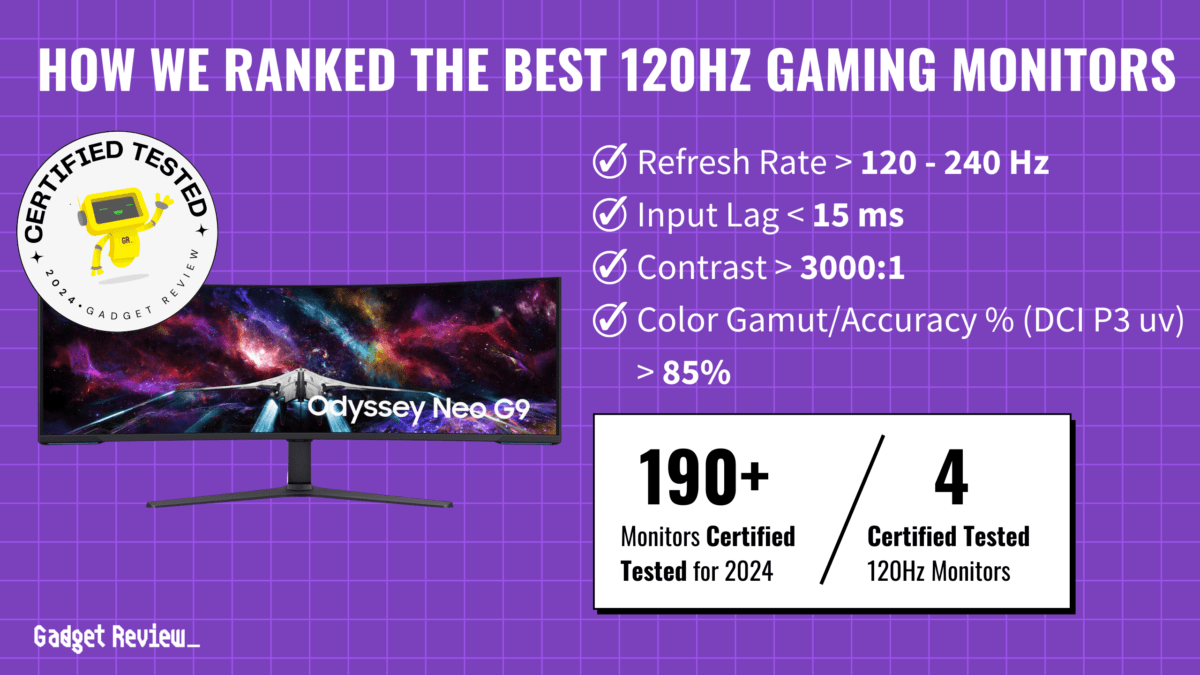


Best 120Hz Monitor In 2026 Our Top Picks For Gaming WePC Best 120Hz Monitor 1200x675 . Best 120Hz Gaming Monitor 2026 Top Rated 120 Hz Monitors Best 120hz Gaming Monitors Guide That Shows The Top Best Gaming Monitor Model 1200x675 . The Ultimate Guide To Choosing The Best Hz For Your Gaming Monitor Arzopa 60hz Vs 120hz. UPERFECT 2K 120Hz Portable Gaming Monitor User Manual 71qO8xRLqnL . Best 120Hz Monitors For Gaming Esports And Ultra Wide Options Best 120Hz Monitors
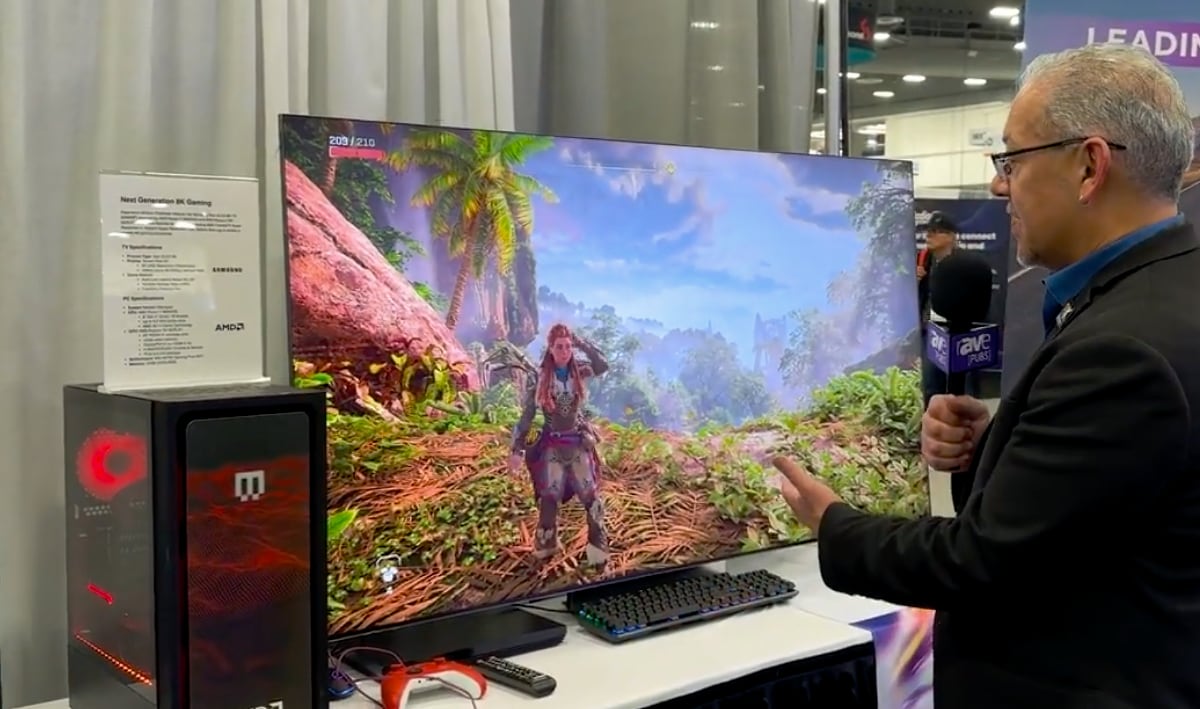


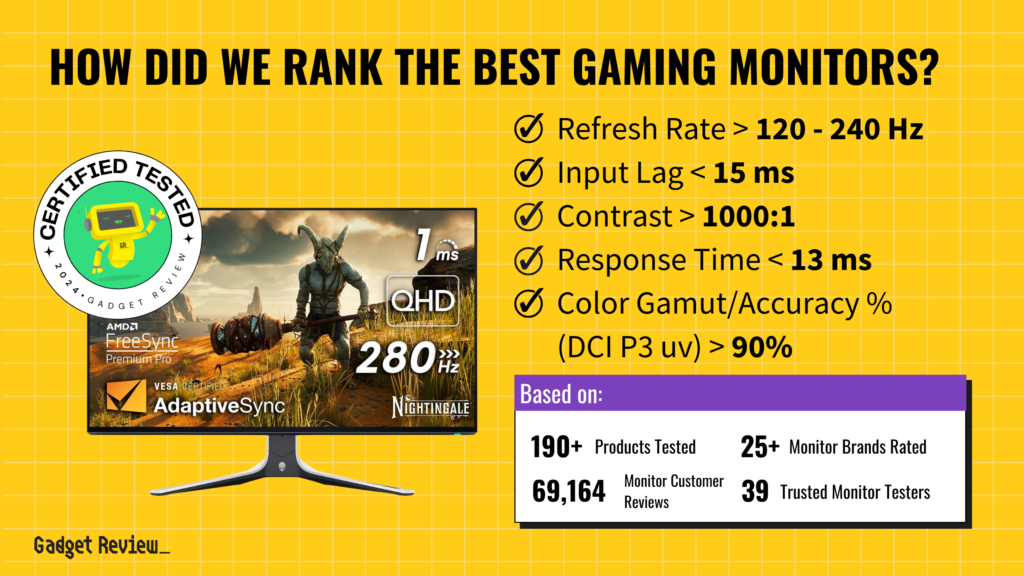
8K 120Hz Samsung Small . 8 Best TVs With 120Hz For Gaming February 2026 Complete Guide Featured Image I76gaq39 . 5 Best 120 Hz Gaming Monitors 3D Insider Best 120 Hz Monitors . 3 Best GPUs For 120Hz VR That Will Elevate Your Gaming In 2026 Top 3 120hz Vr Gpus A2ngy 800x450 . Best 120Hz Gaming Monitor 2025 Top Rated 120 Hz Monitors Best Gaming Monitor Guide That Shows The Top Best Gaming Monitor Model 1 1024x576



60Hs Vs 120Hz For Gaming What You Need 60Hz Vs 120Hz Gaming 770x385 . 5 Best Cheap 4K 120Hz Monitors For Gaming In 2024 Top 5 Gaming . 120Hz Vs 144Hz Refresh Rate Ultimate Smoother Gameplay 120Hz Vs 144Hz Refresh Rate . Gaming On 120HZ For The First Time Unfair YouTube . GAMEON New 2024 1080p Gaming Monitor 23 8 Inch FHD AC SL1500


Amazon Com GAMEPOWER F20 27 Inch Curved Gaming Monitor 120Hz 1080p 71 YUKZTKbL. AC SL1480 . 60Hz Vs 120Hz What S The Difference UK 3818951 768x590 . 4K 120Hz Gaming What Is It Do You Need It How Do You Get It What 1200 80 . 60Hz Vs 120Hz TVs And Monitors 2026 Worth The Upgrade 60Hz Vs 120Hz 768x387 . How Do You Connect An Xbox Series X S To Your Gaming Monitor


Xiaomi Launches G24i 2026 And G27i 2026 Gaming Monitors In The Xiaomi Launches G24i 2026 And G27i 2026 Gaming Monitors In The Philippines 1024x640 . Gaming Monitor With Hdmi 2 1 4k 120hz Detroit Chinatown . 120 Hz Vs 144 Hz En Monitor Conoce Las Diferencias 120 Hz Vs 144 Hz Monitores 4 . The World S First Gaming Monitor With A 1080Hz Refresh Rate Is Here Benq Refresh Rate . 120Hz Displays Advantages And Man Hinh 120hz La Gi Uu Va Nhuc Dim Ca Man Hinh May Tinh 120hz C5326e95


120Hz Vs 240Hz Refresh Rate Smoothness Unleashed 120Hz Refresh Rate 2 768x512 . Ripple Voltage How We Test Power Supply Units Tom S Hardware Tom . What To Look For In A PC Gaming Monitor Samsung UK Img Gaming Refresh PC . The Best Cheap Gaming Laptops For 2026 Tested For Gaming Top 3 Gaming Laptops Of 2026 - The Ultimate Guide 1200x342 . Top 10 Most Anticipated Games Of 2026 What To Watch Out For GAMES IN 2026


60hz Or 120hz For Gaming Which Is Better 60hz Or 120hz For Gaming . Asus Crammed Two 120Hz OLED Screens On Its ROG Zephyrus Duo Gaming DT CES 2026 Feature Image . Cheapest 120 Hz Monitors For Gamers Gaming Monitor Gizmofacts Cheapest 120 Hz Monitors For Gamers . ULTIMATE 100 120Hz PC Gaming Setup Ft BenQ TH685 Gaming Projector . 60Hz 120hz 144hz Monitor For Gaming Which Is Better Gaming Rig Thy5NIchxX