Are you wondering if your trusty gaming chair can pull double duty for your demanding office work? Many gamers and remote professionals are asking this very question as the lines between play and productivity blur in 2026. This comprehensive guide navigates the intricacies of using a gaming chair for extended office hours, exploring its ergonomic advantages and potential drawbacks. We delve into key factors like lumbar support, adjustability, and overall comfort, helping you determine if your high-backed throne truly measures up to the rigorous standards of an office environment. Discover expert tips and considerations to optimize your setup, ensuring both your posture and productivity remain top-notch. Make an informed decision for your workspace wellness today.
Can I Use My Gaming Chair for Office Work FAQ 2026 - 50+ Most Asked Questions Answered (Tips, Trick, Guide, How to, Bugs, Builds, Endgame)
Welcome to the ultimate living FAQ for 2026, where we tackle the burning question: can your beloved gaming chair truly cut it in the demanding world of office work? As remote work becomes the norm and the lines between our gaming setups and professional workstations blur, understanding the nuances of chair suitability is more critical than ever. This guide is continually updated with the latest insights, ergonomic recommendations, and user experiences to help you make the best decision for your comfort and productivity. Whether you’re a seasoned pro or just setting up your first home office, prepare to have your most pressing questions answered with practical tips, tricks, and a dash of reality.
Ergonomics and Comfort Concerns
Is a gaming chair good for your back when working long hours?
Many gaming chairs offer robust support and adjustability, which can be beneficial for your back. However, dedicated office chairs are often designed with more nuanced lumbar and spinal support, crucial for maintaining optimal posture during extended work sessions, sometimes exceeding gaming chair capabilities.
Are gaming chairs bad for posture if used daily for office work?
Not necessarily bad, but many gaming chairs, particularly those with aggressive bucket seats, can promote a more slouched or fixed posture. Regular daily use without proper adjustment or breaks could potentially contribute to poor posture over time.
What is the difference between an ergonomic office chair and a gaming chair?
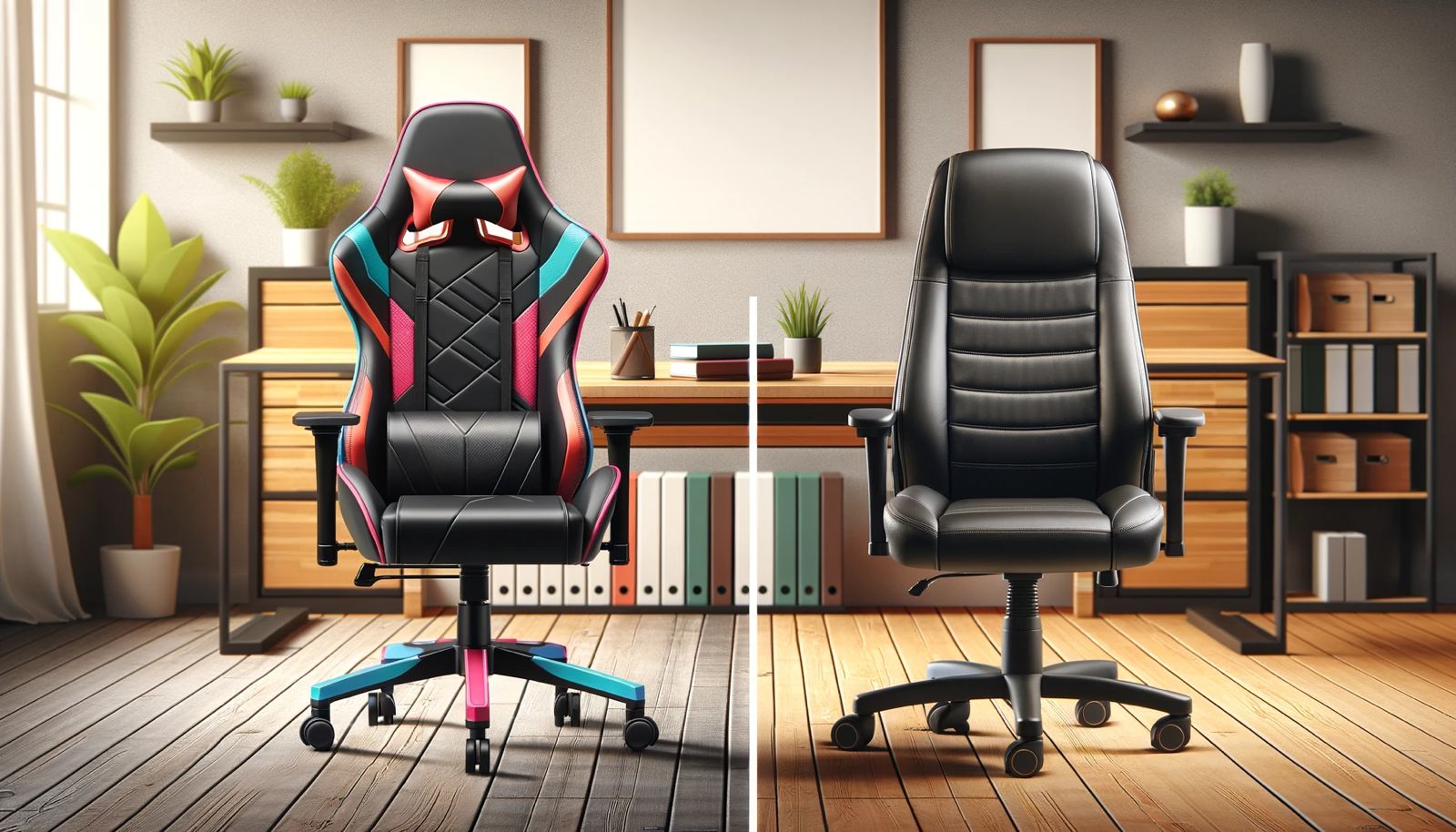
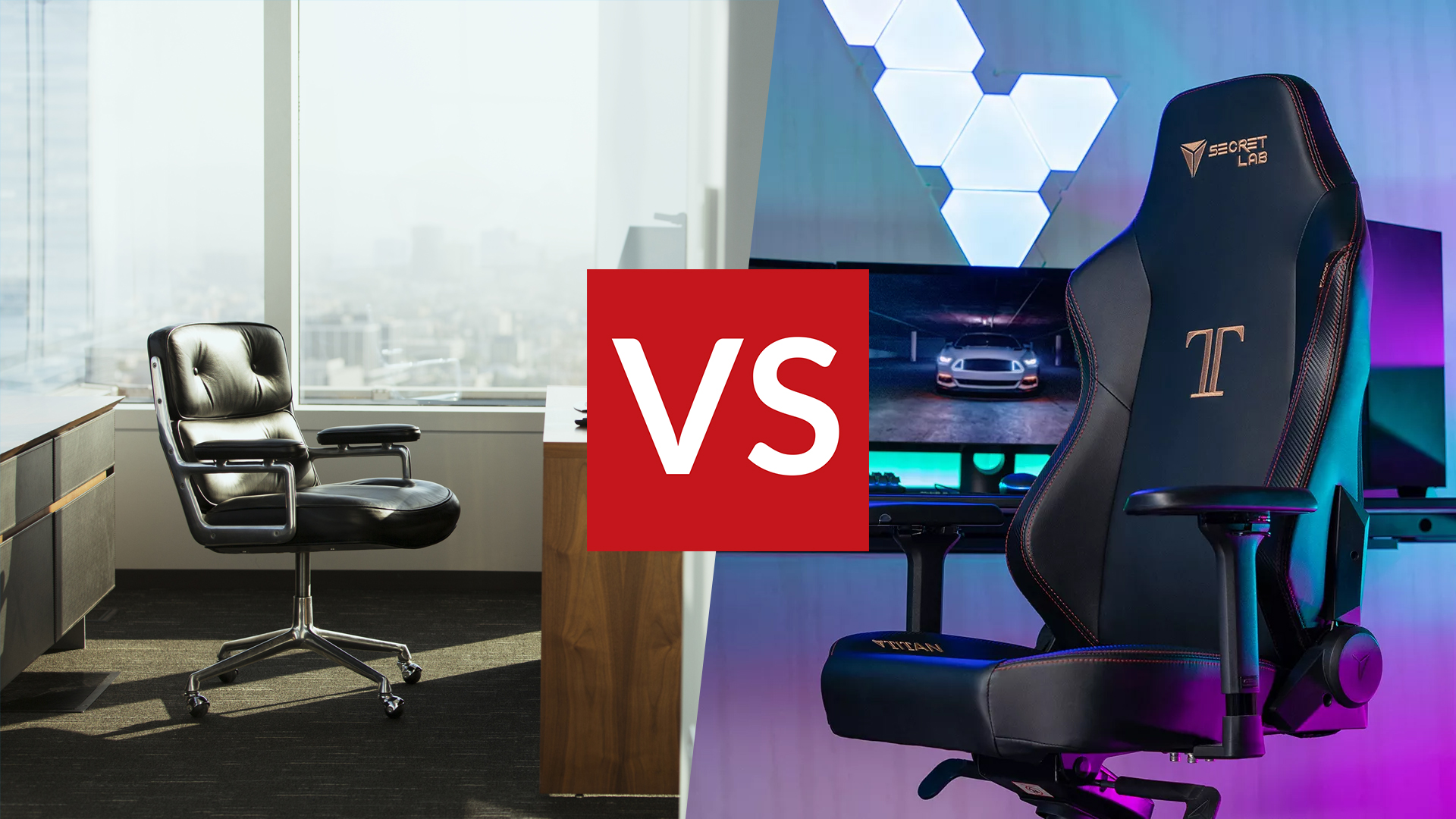
Ergonomic office chairs prioritize neutral posture and dynamic sitting with features like synchronous tilt and integrated lumbar support. Gaming chairs often focus on a racing aesthetic with external pillows and a design geared towards active gaming postures, sometimes less ideal for static office tasks.
Myth vs Reality: Gaming chairs are always more comfortable than office chairs.
Myth: Comfort is subjective, but true ergonomic office chairs are often designed for superior comfort over extended, static sitting periods. Gaming chairs might feel plush initially but can lack the sustained support needed for office work.
Practical Setup & Adjustments
How do I properly adjust my gaming chair for office productivity?
Adjust your chair height so feet are flat on the floor, knees at 90 degrees. Position armrests to support elbows at 90 degrees. Utilize lumbar and neck pillows to maintain natural spinal curves, and recline slightly (100-110 degrees) for pressure relief, using the tilt lock.
What accessories can enhance my gaming chair for professional use?
Consider an ergonomic seat cushion for improved pressure distribution, an adjustable footrest for proper leg support, and a monitor arm to ensure your screen is at eye level. These additions can significantly boost comfort and correct potential ergonomic shortcomings.
Myth vs Reality: Lumbar pillows on gaming chairs provide perfect back support.
Myth: While helpful, the effectiveness of gaming chair lumbar pillows varies. They are often external and can sometimes push your back too far forward. Integrated, adjustable lumbar support in office chairs typically offers more precise and consistent spinal alignment.
Still have questions?
Dive deeper into specific chair models or explore our guides on 'Optimizing Your Home Office Setup' and 'The Best Ergonomic Accessories for 2026' for more insights!
So, you're asking, "Can I really use my gaming chair for office work?" It's a common question, one that many of us grapple with as our home setups become versatile hubs for both epic quests and serious deadlines. The idea of switching between chairs seems cumbersome and unnecessary when your current seat looks so comfortable. We're here to dive deep into whether your high-performance gaming rig's companion is truly up to the task of a full day's grind, separating marketing hype from real-world utility.
In 2026, with remote work continuing its surge, the fusion of our gaming and professional lives is more prevalent than ever. The appeal of a gaming chair is obvious: aggressive styling, plush padding, and a slew of adjustments. But do these features translate into ergonomic bliss for spreadsheets and video calls? Or are you setting yourself up for potential back pain and reduced productivity? Let's break down the truth, the trends, and the crucial considerations for making your gaming chair your daily office companion.
The Dual-Purpose Dilemma: Gaming Chair for Office Use
Many people find themselves working from home, often for long hours at a desk. Their gaming chair might seem like a natural fit for this new routine. However, the design philosophies behind gaming chairs and dedicated office chairs can differ significantly. Understanding these differences is the first step toward making an informed decision about your seating setup.
Ergonomics vs. Aesthetics: What Matters Most?
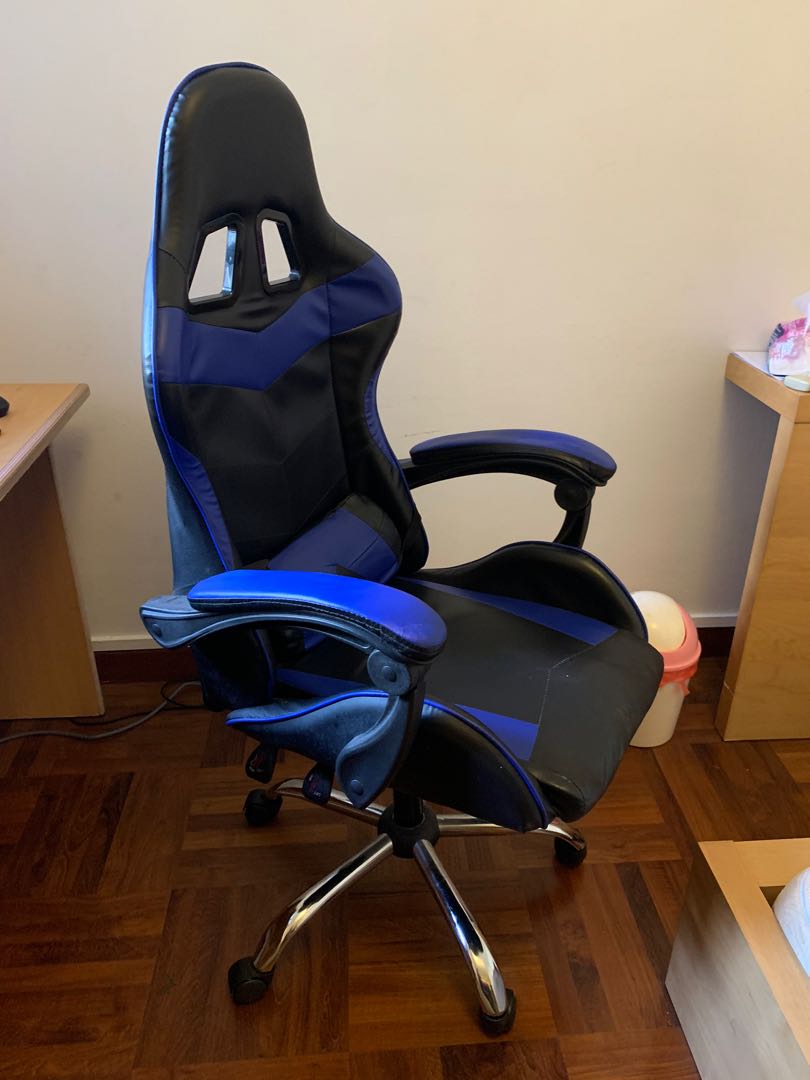
Gaming chairs often prioritize a racing-style aesthetic, which looks impressive but isn't always built for prolonged, neutral posture. While they boast numerous adjustments, true ergonomic office chairs are meticulously designed to support the spine's natural curve. An ergonomic gaming chair aims to offer both, but discerning the difference is crucial. For office work, sustained comfort and proper alignment are paramount to preventing strain and injury over time.
- Many gaming chairs offer adjustable lumbar and neck pillows.
- Dedicated office chairs integrate these supports directly into the design.
- A gaming chair's bucket seat design can sometimes restrict movement.
- Proper office ergonomics encourages slight movement and posture changes.
- Look for a gaming chair that offers a flat seat base for better circulation.
The rise of advanced AI models in 2026 allows for predictive ergonomic design, ensuring chairs adapt better to individual user biometrics. This means a new generation of chairs offers superior personalized support. Modern gaming chairs are starting to catch up, incorporating these intelligent design principles to bridge the gap effectively. Consider a chair that advertises advanced, AI-driven lumbar support features.
Adapting Your Gaming Throne for Productivity
If you've decided to use your current gaming chair, optimizing its settings is key. Proper adjustment can make a significant difference in your comfort and overall well-being. This guide offers essential tips to transform your gaming setup into an effective workstation.
Key Adjustments for Office Comfort
Most gaming chairs offer a range of adjustments, from height and tilt to armrests and recline. Maximizing these features is vital for creating an ergonomic posture suitable for office tasks. Focus on maintaining a neutral spine and ensuring your feet are flat on the floor or on a footrest.
- Adjust chair height so your feet are flat and knees are at a 90-degree angle.
- Ensure armrests support your elbows at a 90-degree angle to your desk.
- Utilize lumbar and neck pillows to maintain your spine's natural curve.
- Experiment with recline angle to find a comfortable, slightly reclined position.
- Keep your monitor at eye level to prevent neck strain during long sessions.
Remember, even the best chair needs correct usage. Take regular breaks and stretch. Even a 'pro' gamer knows the importance of stepping away. This isn't just about the chair; it's about your whole approach to your workstation. Beginner users often overlook these crucial, simple adjustments.
Advanced Ergonomics and Long-Term Health
While a gaming chair can suffice for occasional office work, its long-term impact on your health needs consideration. Continuous poor posture can lead to chronic issues, regardless of the chair's initial comfort. Investing in your health now can prevent problems down the road.
Understanding Ergonomic Limitations
Many gaming chairs, especially those with aggressive bolstering, can force users into a specific posture that isn't always ideal for static office work. True ergonomic office chairs often feature synchronous tilt mechanisms and highly adjustable components designed for micro-adjustments throughout the day. This adaptability is crucial for maintaining spinal health during extended periods of sitting. This isn't about blaming the chair; it's about understanding its inherent design for different use cases.
- Evaluate if your gaming chair allows for natural movement and posture changes.
- Consider adding an ergonomic seat cushion for improved pressure distribution.
- Monitor for any discomfort, numbness, or tingling in your back, neck, or limbs.
- Regularly review your posture and adjust your chair as needed.
- Consult with an ergonomic specialist if persistent pain occurs.
The latest 2026 studies indicate a significant increase in musculoskeletal disorders among remote workers using sub-optimal seating. It's not just about comfort; it's about preventative health measures. A proper workstation setup can be your best defense. A good Guide always emphasizes prevention.
Beginner / Core Concepts
1. Q: Can a gaming chair truly replace an ergonomic office chair for daily work?
A: I get why this confuses so many people, and it's a super common question! The short answer is: sometimes, but with caveats. While many gaming chairs offer good adjustability and comfort for gaming sessions, dedicated ergonomic office chairs are usually designed with a different focus—prolonged, neutral posture for static tasks. They often have better lumbar support integration and more nuanced adjustments for diverse body types over an 8-hour workday. It's like using a sports car for daily commuting; it *can* work, but it might not be the most practical or comfortable long-term solution compared to a purpose-built sedan. You've got to consider what's best for *your* body and *your* work needs. Try sitting in it for a full workday and really pay attention to how your back and shoulders feel. You've got this!
2. Q: What are the main differences between gaming chairs and office chairs that affect usability for work?
A: This one used to trip me up too, honestly! The core difference really boils down to design philosophy. Gaming chairs often prioritize a 'bucket seat' or racing aesthetic, which can look cool but might restrict natural movement and lead to a more 'aggressive' sitting posture. They often come with external pillows for lumbar and neck support. Office chairs, especially ergonomic ones, tend to have a flatter seat base, integrated, adjustable lumbar support, and mechanisms that encourage dynamic sitting and easy posture changes. Think about it: gamers are often leaning forward, reacting quickly, while office workers need stable, consistent support for focused tasks. It’s about the subtle engineering choices that make a big difference for long-term health. Knowing this helps you make smarter choices. Try noting how you naturally sit during work vs. gaming.
3. Q: What specific features should I look for in a gaming chair to make it suitable for office use?
A: If you're set on using a gaming chair for your office work, you'll want to be really picky about its features. First, look for a chair with a relatively flat seat base, not one that aggressively curves up at the sides, as this can cut off circulation during long sitting periods. Second, highly adjustable armrests (4D is ideal) are crucial for supporting your arms at desk height, preventing shoulder strain. Third, make sure the lumbar and neck support are easily adjustable and actually fit *your* body, not just generic placement. Good tilt mechanisms with locking options are also a plus for varying your posture. Finally, solid build quality with high-density foam will ensure it lasts through both your epic gaming sessions and demanding workdays. These features are key. Try checking reviews focusing on long-term comfort!
4. Q: Will using a gaming chair for office work negatively impact my posture or health?
A: That's a super valid concern, and it's one we should all be thinking about more! The short answer is, it *can* negatively impact your posture and health if not used correctly or if the chair isn't genuinely ergonomic. Many gaming chairs, despite their looks, don't provide the optimal support for extended, static office work. The aggressive bolstering and fixed angles of some models can force your body into unnatural positions, leading to slouching, back pain, or even circulation issues over time. It's not a guarantee of problems, but it significantly increases the risk compared to a properly adjusted, well-designed ergonomic office chair. Regular breaks and proper setup are critical. Always listen to your body; it's giving you valuable feedback! You've got this!
Intermediate / Practical & Production
5. Q: How can I properly adjust my gaming chair to maximize ergonomic benefits for office tasks?
A: Okay, this is where the rubber meets the road, and it's a super important skill to master! First, ensure your feet are flat on the floor, or use a footrest, with your knees at roughly a 90-degree angle. Adjust the chair height accordingly. Next, position your armrests so your elbows are bent at 90 degrees and your forearms are parallel to the floor, supporting your arms without shrugging your shoulders. Utilize the lumbar pillow to fill the natural curve of your lower back, and the neck pillow to support your head without pushing it too far forward. Finally, adjust the recline to a slight angle (around 100-110 degrees) to take some pressure off your spine, using the tilt lock if available. Remember, it's not a set-it-and-forget-it deal; dynamic sitting is good, so adjust throughout the day. A bit of practice makes perfect! Try these adjustments and see the difference.
6. Q: Are there any common mistakes people make when using a gaming chair for office work?
A: Oh, absolutely! I see these common pitfalls all the time, and it's easy to fall into them. One big one is relying too much on the external pillows without proper adjustment; they're meant to *support* your natural curve, not create a new one. Another common mistake is reclining too much while working, which looks comfortable but can strain your neck and eyes. People also often neglect armrest adjustment, leading to hunched shoulders. Then there's the 'bucket seat' issue: if your chair's side bolsters are too restrictive, they can inhibit movement and even cut off circulation to your thighs. Finally, simply not taking enough breaks to stand and stretch is a huge missed opportunity. Even the best setup won't save you from prolonged static sitting. Small changes make a massive impact, so pay attention! You've got this!
7. Q: What accessories can improve a gaming chair's suitability for office use?
A: This is a smart question, turning a good chair into a great one for work! If your gaming chair isn't quite cutting it, some simple accessories can really elevate the experience. A high-quality ergonomic seat cushion, often made of memory foam or gel, can improve pressure distribution and comfort, especially if your chair's base is too firm or bucket-shaped. An adjustable footrest is a game-changer if your feet don't sit flat on the floor, promoting better circulation and posture. For neck support, if your pillow isn't working, consider a memory foam neck roll that molds better to you. And for monitor height, an adjustable monitor arm can ensure your screen is always at eye level, reducing neck strain. These small additions can make a huge difference in your daily comfort and long-term health. Try one or two and feel the change!
8. Q: How does the material of a gaming chair affect its comfort for long office hours?
A: I totally get why material choice is a big consideration; it really impacts long-term comfort! PU leather, a common gaming chair material, looks sleek and is easy to clean, but it can sometimes lack breathability, leading to sweating during extended sessions, especially in warmer environments. Fabric chairs, on the other hand, offer much better airflow and can feel softer, but they might be more prone to staining. Mesh chairs, while less common for traditional gaming chairs, are often found in ergonomic office chairs precisely because of their superior breathability and conforming support. The 2026 models are seeing more advanced hybrid materials that try to offer the best of both worlds—durable, easy to clean, and breathable. Think about your climate and how long you'll be seated. It’s all about finding what works best for *your* environment. You've got this!
9. Q: What's the budget-friendly approach to making a gaming chair office-ready?
A: This is where we get practical! You don't always need to break the bank for a new office chair. If you're working with a gaming chair you already own, start by focusing on proper adjustments—that's free! After that, a good ergonomic seat cushion is often the most impactful budget upgrade, usually costing under $50. If your feet dangle, a simple box or sturdy stack of books can serve as a temporary footrest before investing in a dedicated one. Ensuring your monitor is at eye level, perhaps by stacking books or a monitor stand, also costs very little. Sometimes, even just improving your lighting can reduce eye strain, which affects overall comfort. Small, smart changes can make a big difference without a huge investment. It's about optimizing what you have before buying new. Try these tips tomorrow!
10. Q: Are there any gaming chair brands known for better office ergonomics?
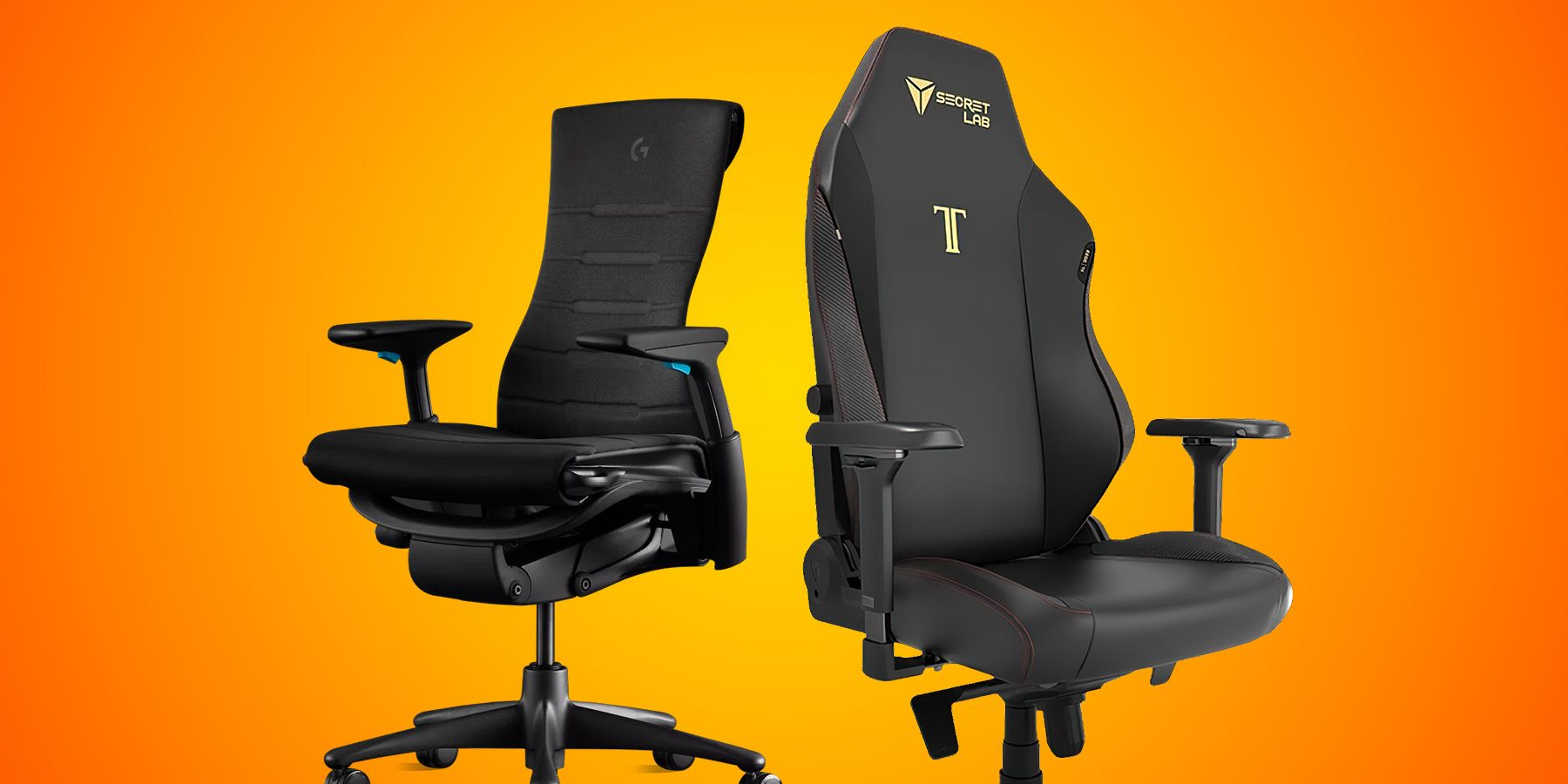
A: Great question! It's true that not all gaming chairs are created equal when it comes to office-level ergonomics. Brands like Secretlab, noblechairs, and AndaSeat are often cited for their more robust build quality, higher-density foams, and a wider range of adjustments that lean closer to traditional ergonomic office chairs. They often offer models with flatter seat bases and more refined lumbar support systems compared to some of the more budget-focused racing-style chairs. They've also been incorporating feedback from professional users, not just gamers, into their 2026 designs. Always check specific model reviews for insights into long-term office comfort. While they might cost more, they're often a better compromise if you truly want a dual-purpose chair. Researching specific models is key here. You've got this!
Advanced / Research & Frontier 2026
11. Q: How do advanced biomechanical tracking systems in 2026 influence gaming chair design for office use?
A: This is where things get really exciting and futuristic, my friend! In 2026, advanced biomechanical tracking systems, often integrated into smart office furniture and even wearable tech, are fundamentally reshaping chair design. These systems use AI and real-time pressure mapping or motion sensors to understand a user's posture, weight distribution, and micro-movements throughout the day. For gaming chairs aspiring to office use, this means future models can dynamically adjust lumbar support, seat tilt, and even armrest height in response to your changing posture, promoting optimal spinal alignment and reducing fatigue. We're moving towards truly adaptive seating that learns from your habits, providing personalized ergonomic support that wasn't possible a few years ago. It’s a game-changer for long-term health and productivity. The future of ergonomic seating is here!
12. Q: What are the psychological impacts of using a 'gaming' aesthetic chair in a professional office environment?
A: That's a fascinating, often overlooked aspect! The psychological impact is definitely real, both for the user and for others. For the user, a gaming chair can subconsciously maintain a 'play' mindset, potentially blurring the lines between work and leisure, which might reduce focus for some, or actually enhance it for others who feel more comfortable and
Gaming chair office suitability, Ergonomic features, Adjustability for work, Potential comfort issues, Long-term health implications, Cost effectiveness, Stylish office integration, Back support importance.
35
Can I Use Gaming Chair For Office Work A Complete Answer Game Chair . Top 10 Gaming Office Chairs At Jack Radcliffe Blog . Best Office Chairs For Gaming In 2025 The Top Seats For Work And . I Was Sceptical About The LiberNovo Omni But This Massaging Office Best Gaming Chairs 2023 Lead . Best Office Chairs For Gaming In 2025 The Top Seats For Work And

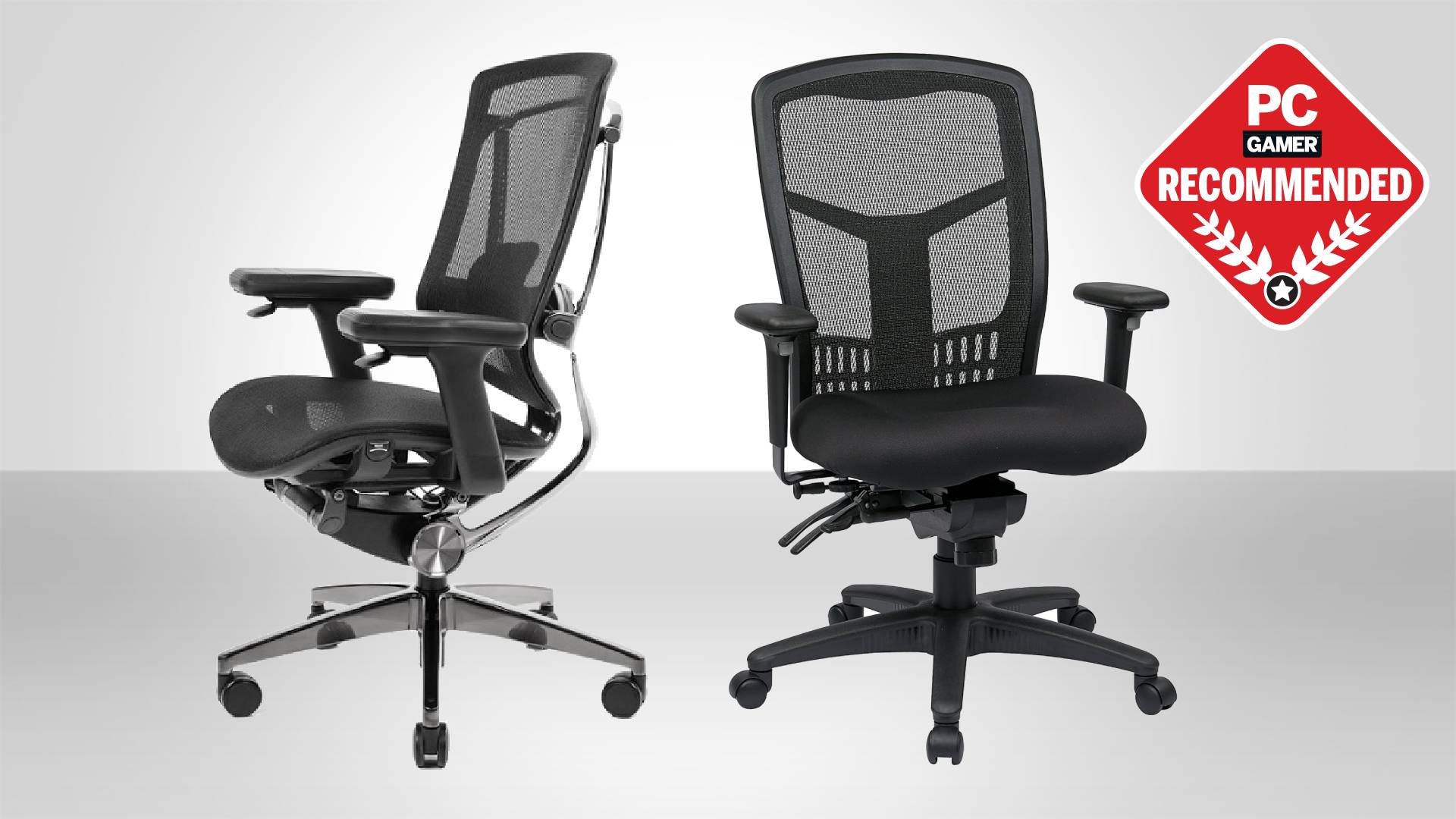
10 Best Gaming Chairs On Amazon 2026 Chair Insights Are Gaming Chairs Good For Office Work 768x645 . Best Gaming Office Chairs You Need To Have Gadget Vibes Od3H 1. What S Better A Gaming Chair Or An Office Chair At Darnell Hamilton Blog 3580077b 48d3 4ba4 A64b PT0 SX970 V1 . Gaming Chairs Are Becoming Office Chairs 3 Reasons Why That S Good . Best Office Chairs For Gaming In 2025 The Top Seats For Work And
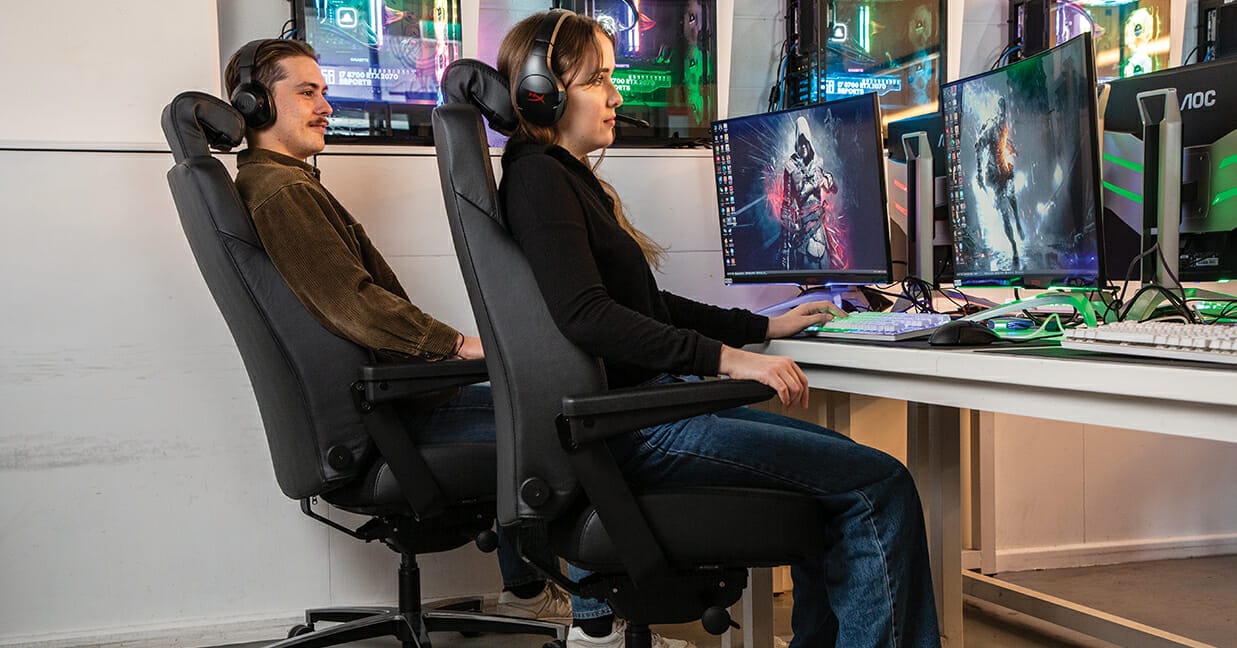
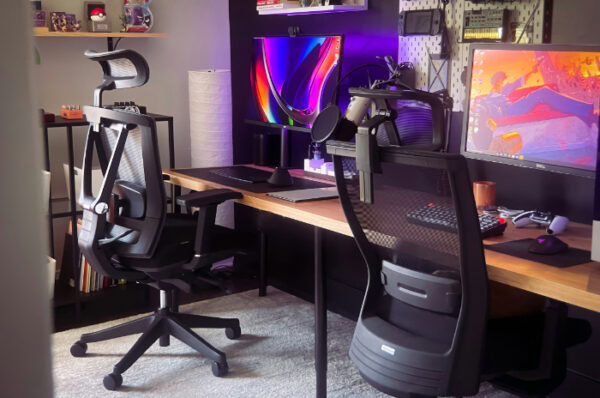
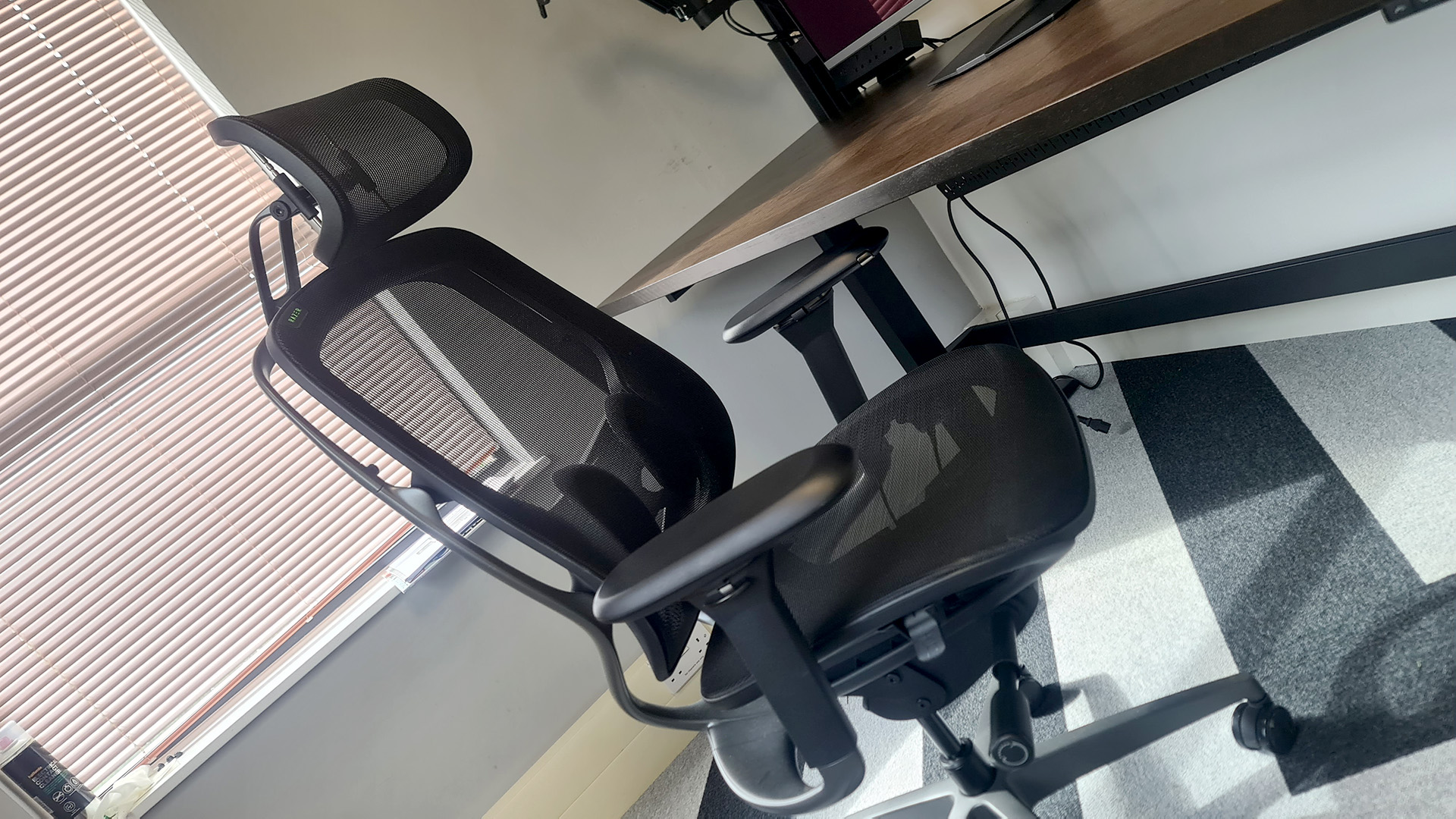

Office Chair Vs Gaming Chair For Work How Do They Compare Buro Buro Maverick Gaming Chair 2 . Gaming Chair Vs Office Chair What You Should Consider Modern Desk Setup With Mesh Office Chairs And Monitors 600x398 . Best Office Chairs For Gaming In 2024 The Top Seats For Work And . Gaming Chair Vs Office Chair The Ultimate Comparison Game Hero WhatsApp Image 2024 01 04 At 16.14.43 11943380 . Gaming Chair Vs Office Chair Which Is Better For You Gaming Chair Vs Office Chair Which Is Better For You Mnwp.1200



Ergonomic Office Chair X Shaped Computer Desk Chair Comfy Gaming AC SL1500 . Amazon Com GTPLAYER Gaming Chair With Footrest Big And Tall Game AC . Amazon Com GTPLAYER Gaming Chair Ergonomic Game Computer Chairs With AC SL1500 . Office Chair Vs Gaming Chair Which Is Better For Your Home Office 1200 80 . Amazon Com GTPLAYER Gaming Chair With Speakers Video Game Chairs With 71S LM CjyL. AC SL1500


Finally Upgraded My Home Office Gaming Setup R . Amazon Com TRALT Office Chair Ergonomic Desk Chair 330 LBS Home Mesh AC SL1500 . The Best Office Chairs For 2026 Amazon Office Chairs Qa3x . Snapklik Com TRALT Ergonomic Office Chair Desk Chair Gaming Chair 91mowkaJcsL . Office Chair Vs Gaming At Xavier Mccomas Blog Office And Gaming Chairs YDa


Best Office Chairs For Posture Correction In 2025 Top Picks For Big And Tall Ergonomic Office Chair Black1 Main 7350a06a 4239 45e4 8be3 . 13 Best Office Chairs For 2025 Tested Reviewed Stiliem Com Anthros Chair Onyx Sierra Oak . Gaming Office Chair Furniture Home Living Furniture Chairs On Gaming Office Chair 1621829094 Dddf0a7b Progressive . Comfortable Office Chair 810sn8TqURL . Best Ergonomic Office Chairs For Back Neck Pain Picks 2025 Nearhub Ec20 Ergonomic Chair For Big And Tall10

Gaming Chairs Vs Office Chairs What S The Difference Best Gaming Chairs For Office Use 1024x585 . Gaming Chairs Vs Office Chairs Expert Comparison Insights Gaming Vs Office Chair 1 . Gaming Office Chair Furniture Home Living Furniture Chairs On Gaming Office Chair 1621829094 6471e667 . Gaming Chairs Vs Office Chairs Which Style Is Best For Me Furniture Office Vs Gaming 1 . Secretlab Vs Herman Miller Which Has Better Gaming Chairs Office Vs Gaming Chairs The Verdict On Which Is Better For Gamers Gamerant