Ever wondered about the true origins of your favorite pastime As busy gamers balancing work family and life we often just want to jump into a game and unwind But understanding where gaming started can deepen your appreciation for every pixel and every strategic move This guide explores the fascinating journey from simple experiments to the complex immersive worlds we inhabit today For the 87 percent of US gamers who regularly spend 10 plus hours a week gaming from mobile to PC and console knowing this history provides invaluable context It helps us grasp why we prioritize social play or why mobile gaming is so dominant It also sheds light on the evolution of hardware and software aiding us in making smarter decisions about our next setup upgrade or game purchase without falling for fleeting hype Join us as we navigate the earliest days of interactive entertainment revealing the pioneers and innovations that laid the groundwork for the multi-billion dollar industry and vibrant community we all cherish today Discover the roots of your digital passion and see how far gaming has come from its humble beginnings to its current status as a cornerstone of modern relaxation and connection
Where Did Gaming Start The Origins of Our Favorite Hobby
Gaming as we know it today didn't just appear out of nowhere It has a rich fascinating history that traces back to academic labs and experimental technology rather than the neon-lit arcades or sleek consoles we're familiar with The journey began with pioneering scientists and engineers exploring the capabilities of early computers creating simple interactive programs that laid the foundational principles for all modern video games Understanding these humble beginnings helps us appreciate the complexity and immersion of today's titles and the dedication of the innovators who brought them to life.
What Was the Very First Video Game Ever Created?
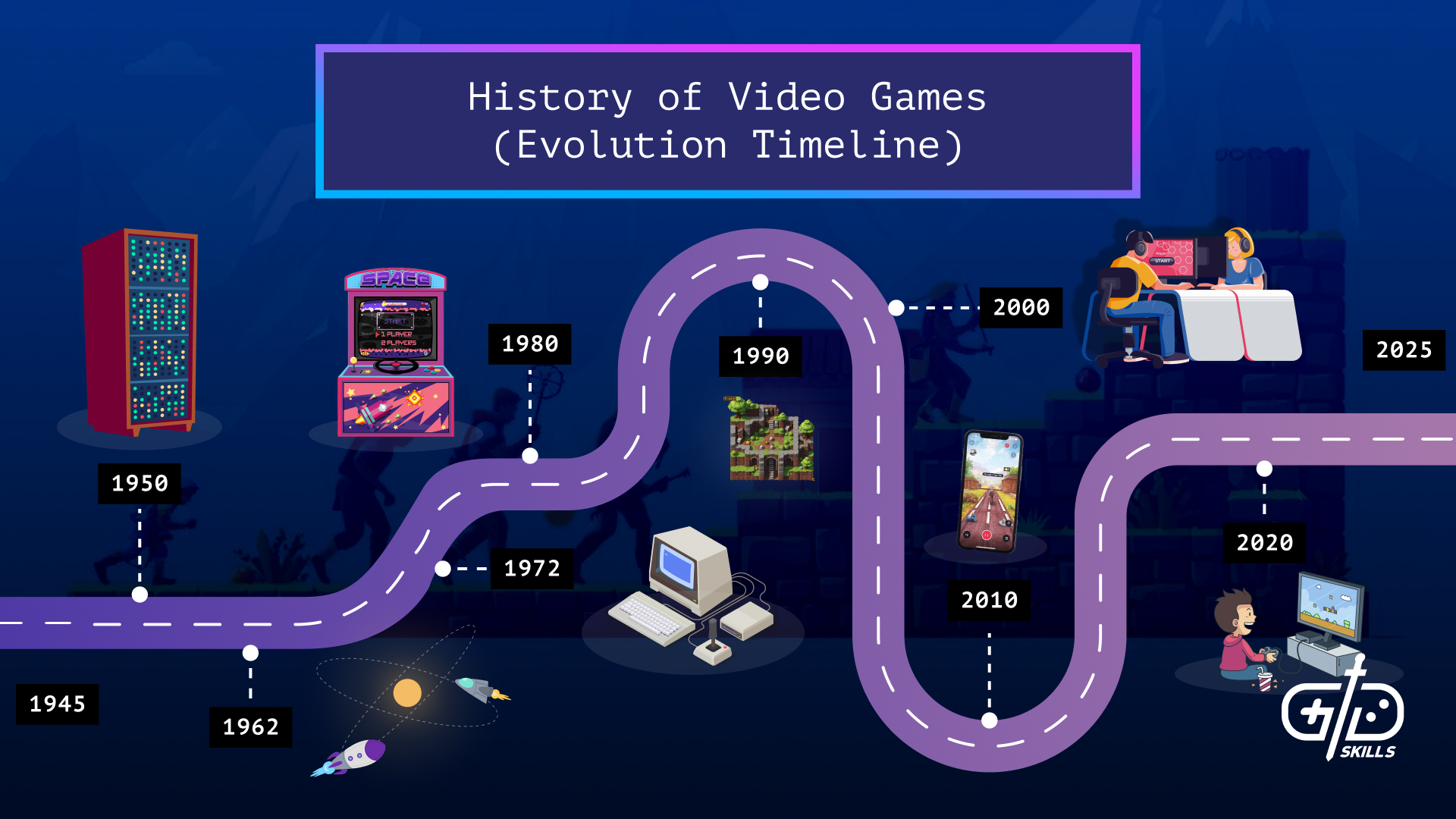
Pinpointing the absolute first video game is tricky as the definition of 'video game' evolved over time However two significant early contenders stand out. In 1958 William Higinbotham created 'Tennis for Two' on an oscilloscope at Brookhaven National Laboratory a simple two-player tennis simulation. Later in 1962 Steve Russell and his team at MIT developed 'Spacewar!' for the PDP-1 mainframe computer. 'Spacewar!' is often cited as the true progenitor as it was an interactive digital game designed purely for entertainment, allowing two players to engage in real-time combat with customizable spaceship controls. It was a groundbreaking demonstration of what digital interaction could be.
How Did Arcades Become the First Big Gaming Trend?
Arcades exploded onto the scene in the early 1970s, largely thanks to Atari's 'Pong' in 1972. 'Pong' was a simple, yet incredibly addictive, electronic tennis game that proved video games could be massively profitable and engaging for the public. This success led to a boom in arcade machines, with iconic titles like 'Space Invaders,' 'Pac-Man,' and 'Donkey Kong' capturing the imagination of millions. Arcades provided a social hub where friends could compete, chase high scores, and experience cutting-edge graphics and sound effects unavailable at home. This golden age of arcade gaming firmly established video games as a mainstream form of entertainment and a significant cultural force, shaping design principles and player expectations.
When Did Video Games First Make It Into Our Homes?
The dream of playing video games in your own living room began with the Magnavox Odyssey, released in 1972. Developed by Ralph Baer, often called the 'Father of Video Games,' the Odyssey was the first commercial home video game console. It connected to a standard television and offered several simple games using interchangeable 'game cards' that were essentially circuit boards. While basic, it proved the viability of home gaming. The real breakthrough came with the Atari Video Computer System (VCS), later known as the Atari 2600, launched in 1977. Its groundbreaking use of interchangeable ROM cartridges allowed for a vast library of games, making console gaming diverse, affordable, and immensely popular, setting the stage for every home console that followed.
Who Were the Key Innovators Who Shaped Early Gaming?
The early gaming landscape was shaped by brilliant minds driven by curiosity and a vision for interactive technology. Ralph Baer's pioneering work led to the Magnavox Odyssey, making him a central figure in home gaming. Nolan Bushnell and Ted Dabney co-founded Atari, transforming academic experiments into commercial successes like 'Pong' and establishing the arcade industry. Steve Russell and his team at MIT created 'Spacewar!,' demonstrating the pure entertainment potential of digital games. These individuals, often working with nascent technology and limited resources, laid the technical and creative foundations for the entire video game industry. Their innovations in hardware, software, and game design are still felt in the games and platforms we enjoy today.
What Role Did Personal Computers Play in Gaming's Early Days?
Personal computers became a critical platform for gaming, fostering a different kind of evolution compared to consoles and arcades. In the late 1970s and 1980s, affordable home computers like the Apple II, Commodore 64, and IBM PC opened up new possibilities. PC gaming allowed for greater complexity, deeper narratives (like text adventures such as 'Zork'), and more sophisticated simulations. It also empowered independent developers, leading to a diverse range of genres and experimental gameplay. As technology advanced, PCs pushed the boundaries of graphics and processing power, and with the advent of the internet, they became the birthplace of online multiplayer gaming and early esports, establishing a vibrant, customizable gaming ecosystem that continues to innovate.
How Did Mobile Gaming Change the Game for the Average Gamer?
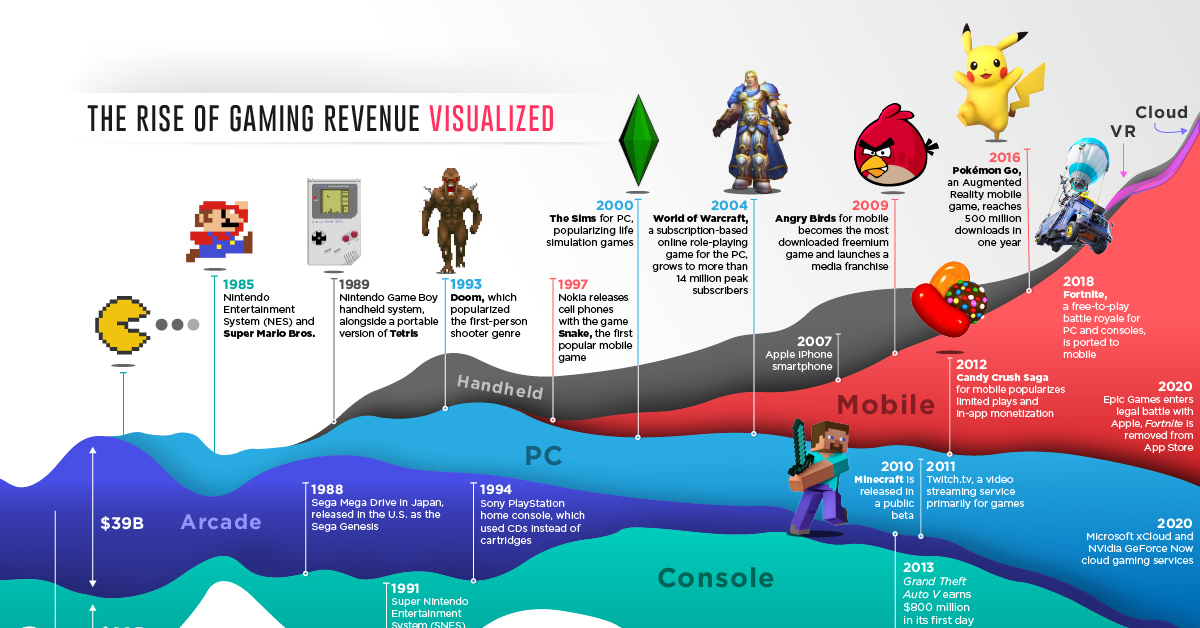
Mobile gaming dramatically democratized access to gaming, especially for the average US gamer balancing a busy life. Starting with simple games like 'Snake' on feature phones, the advent of smartphones transformed the landscape. Games became instantly accessible, portable, and often free-to-play, fitting perfectly into short breaks, commutes, or downtime. This accessibility expanded the gaming audience exponentially, attracting casual players and making gaming a routine part of daily life for millions. Today, mobile gaming dominates in player count and revenue, pushing innovations in microtransactions, social integration, and cross-platform play, proving that high-quality, engaging experiences don't always need a console or PC, catering perfectly to the 'gaming on the go' lifestyle.
As busy gamers juggling jobs families and the endless demands of daily life we often see gaming as our precious escape a moment to unwind connect with friends or sharpen our skills without the noise of the outside world But have you ever paused mid-raid or during a cozy game session to wonder Where did gaming start What were the very first digital worlds that captivated players long before high-refresh rate monitors and expansive open worlds existed For many of us part of the 87 percent of US gamers who regularly dive into games averaging over 10 hours a week across mobile PC and console understanding this rich history isn't just a fun trivia fact it’s about appreciating the journey understanding current trends and making smarter choices as the gaming landscape continues to evolve.
You might be struggling with setup issues wondering if that new GPU is worth the budget stretch or just looking for the perfect game recommendation that fits your limited time Knowing gaming's foundational moments can actually provide perspective helping you discern true innovation from fleeting fads and connect with the deeper narrative of a hobby that offers relaxation skill-building and vital social interaction. This article will take you on a journey back to the very beginning exploring the pioneers the pivotal moments and the technological leaps that transformed simple electrical experiments into the global phenomenon we know today Get ready to level up your gaming knowledge.
Where did gaming truly begin? It wasn't in an arcade.
The very concept of interactive entertainment stretches back further than you might imagine even before electronic displays existed Think about mechanical amusements or early electrical systems designed for educational purposes The true roots of gaming as we understand it started in scientific labs and university campuses not in arcades with flashing lights and loud sounds These early experiments were often demonstrations of computing power or human-computer interaction laying the theoretical and practical groundwork for what was to come They showcased that machines could respond to human input creating a feedback loop of engagement
What was considered the first video game ever created?
Defining the absolute first video game is a bit like tracing the first story ever told it depends on your definition However two contenders frequently emerge Tennis for Two and Spacewar Tennis for Two created by William Higinbotham in 1958 at Brookhaven National Laboratory was a simple oscilloscope game where players bounced a ball over a net Spacewar developed by Steve Russell and others at MIT in 1962 ran on a PDP-1 mainframe computer It was a more complex space combat game often cited as the first interactive digital computer game designed purely for entertainment and featuring real-time control It quickly spread to other university computer labs influencing early developers
How did arcade gaming rise and capture the public's imagination?
The arcade era truly kicked off in the early 1970s following the release of Pong by Atari in 1972 This simple two-dimensional tennis game was a massive commercial success proving that video games could be profitable and captivating It ushered in the golden age of arcade gaming with titles like Space Invaders Pac-Man and Donkey Kong becoming cultural touchstones These games were designed for quick bursts of fun perfect for social settings and coin-op business models They helped establish core gameplay loops like high scores and competitive play that are still prevalent today The rise of arcades was fueled by readily available technology and a public eager for novel entertainment creating dedicated spaces where gamers could gather and compete before home systems became ubiquitous
When did gaming move from arcades into our living rooms?
Gaming first entered homes with the Magnavox Odyssey released in 1972 It was the first commercial home video game console and connected to a standard television While primitive by today's standards it demonstrated the potential for gaming outside of dedicated arcade venues The Atari Video Computer System VCS later known as the Atari 2600 released in 1977 truly revolutionized home gaming Its interchangeable cartridge system meant players could own a library of games not just a single game console This innovation made home gaming affordable and diverse bringing arcade experiences into the comfort of one's own living room and solidifying the concept of a console gaming market that still thrives today
Who were the key pioneers in early video game development?
Several visionary individuals shaped the early landscape of video gaming Ralph Baer often called the Father of Video Games patented the concept of a home video game console and developed the Magnavox Odyssey Nolan Bushnell and Ted Dabney co-founded Atari and were instrumental in popularizing arcade games with Pong Steve Russell led the team that created Spacewar These pioneers often working with limited resources and groundbreaking technology were driven by curiosity and a desire to explore the potential of interactive digital systems Their ingenuity laid the technical and creative foundations setting the stage for future generations of game developers and influencing every game you play today
What role did personal computers play in gaming's evolution?
Personal computers became vital to gaming's evolution especially in the late 1970s and early 1980s Unlike closed console systems PCs offered more flexibility and power Early PC games included text-based adventures like Zork and graphical adventures on systems like the Apple II and Commodore 64 The PC platform fostered a robust independent development scene and allowed for greater innovation in genres like strategy role-playing games and simulations As technology advanced PCs became platforms for cutting-edge graphics and multiplayer experiences particularly with the advent of the internet and online gaming Today PC gaming continues to push boundaries offering unparalleled customization and often serving as the birthplace for esports and innovative indie titles
How did mobile gaming change everything for busy gamers like us?
Mobile gaming dramatically expanded the gaming audience and transformed how and where people play For the average US gamer who balances work and family mobile gaming offers unmatched accessibility and convenience It allows for quick five-minute bursts of fun on the go fitting perfectly into busy schedules Early mobile games like Snake on Nokia phones paved the way but the smartphone revolution with the iPhone and Android devices truly exploded the market Today mobile gaming dominates in terms of player count and revenue with free-to-play models microtransactions and social features becoming standard This shift means many of us can connect with friends through casual games during a lunch break or wind down with a puzzle game before bed making gaming an even more integrated part of our daily lives
What are the roots of social and competitive gaming today?
The social and competitive aspects of gaming have deep roots even before modern esports existed Early arcade leaderboards fostered local competition LAN parties local area network gatherings allowed friends to physically connect their PCs for multiplayer battles creating intense social experiences Early online multiplayer games like Doom and Quake in the 90s laid the groundwork for competitive online play Multiplayer online battle arenas MOBAs and massively multiplayer online role-playing games MMORPGs like World of Warcraft further solidified the idea of large online communities and organized competition Today 60 percent of gamers value social play and connecting with friends through games like Fortnite or Call of Duty The rise of esports viewing platforms like Twitch and YouTube has amplified this, making competitive gaming a mainstream spectacle much like traditional sports
How does understanding gaming history enhance our modern gaming experience?
Knowing where gaming started isn't just about nostalgia it empowers you as a modern gamer It helps you appreciate the incredible advancements in graphics gameplay and storytelling you enjoy daily Understanding the journey from simple pixels to complex virtual worlds can inform your hardware choices showing you which technologies were truly revolutionary and which were passing fads It deepens your connection to the community recognizing the shared heritage of countless hours spent exploring digital realms Furthermore it helps you interpret current trends from the resurgence of retro aesthetics to the continued evolution of social gaming and the business models behind your favorite free-to-play titles By looking back you gain a clearer perspective on the future of gaming allowing you to stay current without getting caught up in superficial hype
So there you have it a whirlwind tour through the fascinating origins of gaming From academic curiosities to global phenomenon the journey of where gaming started is rich with innovation and passion For us busy adults who find solace challenge and connection in our games understanding this past truly enriches our present gaming experience It helps us see the bigger picture beyond just the next patch or hardware upgrade allowing us to make more informed decisions and truly appreciate the incredible world we play in
What's your biggest gaming challenge balancing life with your favorite titles finding time for new releases or optimizing your current setup? Comment below and let's help each other out
FAQ Section
When was the first arcade game invented? The first commercial arcade video game Computer Space was released in 1971 but Pong released by Atari in 1972 is widely credited for truly launching the arcade gaming industry into the mainstream due to its massive commercial success and widespread adoption.
What was the first gaming console with interchangeable cartridges? The Atari Video Computer System VCS later known as the Atari 2600 released in 1977 was the first widely successful home console to use interchangeable ROM cartridges This revolutionary design allowed consumers to play multiple games on a single console creating a library of diverse experiences and setting the standard for console gaming.
Is mobile gaming considered a true part of gaming history? Absolutely Mobile gaming is a crucial and dominant part of gaming history especially in the 21st century It democratized access to gaming expanded the player base globally and introduced new business models like free-to-play and microtransactions It's arguably the most accessible form of gaming today impacting design trends and player demographics significantly
Who invented the first video game controller? While early games used various input devices the Magnavox Odyssey often considered the first home console came with detachable controllers in 1972 These simple controllers with a paddle and a reset button were pioneering in bringing dedicated input devices to home gaming paving the way for the complex controllers we use today
How did early gaming impact culture? Early gaming had a profound cultural impact by creating new forms of entertainment and social gathering Arcades became hubs for youth culture and competition Video games quickly entered popular media in movies music and television showing how rapidly they captivated public imagination They helped establish technology as a source of fun and introduced a new interactive medium for storytelling and leisure changing how people spent their free time
Gaming history began with academic experiments and basic electrical devices The first video games were simple interactive displays Arcade games like Pong and Space Invaders created the first gaming boom Home consoles brought gaming into living rooms with systems like the Magnavox Odyssey and Atari VCS PC gaming expanded possibilities with advanced graphics and online multiplayer Mobile gaming made gaming accessible to everyone fostering social play and microtransactions Understanding this evolution enhances appreciation for modern gaming trends and technology
35


The Must Watch 2026 Video Game Release Calendar Exciting Release Calendar For Upcoming Games In 2026 1024x585 . History Of Video Games Evolution Timeline Evolution Of Video Games . Phil Spencer On Bethesda If You Re An Xbox Customer This Is About Game Revenue Timeline Shareable Updated . 2026 Upcoming Games And Game Release Dates Guide 2026 Upcoming Games Release Dates . Top 10 Most Anticipated Games Of 2026 What To Watch Out For TVN GAMES IN 2026



2026 Game Releases Full Upcoming Games Calendar Release Dates PS5 Game Releases Full Calendar Release Dates Main . Video Games 2026 Key Trends Shaping The Future Of Play Mavigadget Blog . Gaming Industry Trends 2026 Cloud Gaming AI Metaverse Web3 Gaming Trends 2026.webp. The 94 Most Exciting Games Of 2026 Eurogamer Net 2026 Best . March 2026 Game Release Dates New Games You Can T Miss March 2026 Game Release Calendar Timeline



How Do I Clip Recent Video Game Moments 2026 Video Game Release Dates Post Feature Image . CES 2026 Novit PC Gaming E AI Di NVIDIA AMD E Intel CES 2026 . Every Major Game Releasing In January 2026 Gaming Amigos F95046. The Most Anticipated Games Of 2026 That Gamers Can T Wait For ZCr Dito 20250822 Most Anticipated Games Of 2026 . 2026 Video Game Release Dates Calendar Shacknews 2026 Video Game Release Dates Calendar Feature Image Feature



Upcoming Games 2026 Full Video Game Release Calendar Beebom 2026 Games Release Schedule . Lineup Revealed For Xbox Game Pass Games March 2026 Xbox.webp. 20 Most Anticipated Video Games Of 2026 Page 7 1200x675 . 2026 Indie Game Production Marketing Guide Indie Game Sucess In 2026 Featured Image . 2026 In Gaming Releases What Are We This Year Blogs 2026 Gaming 2


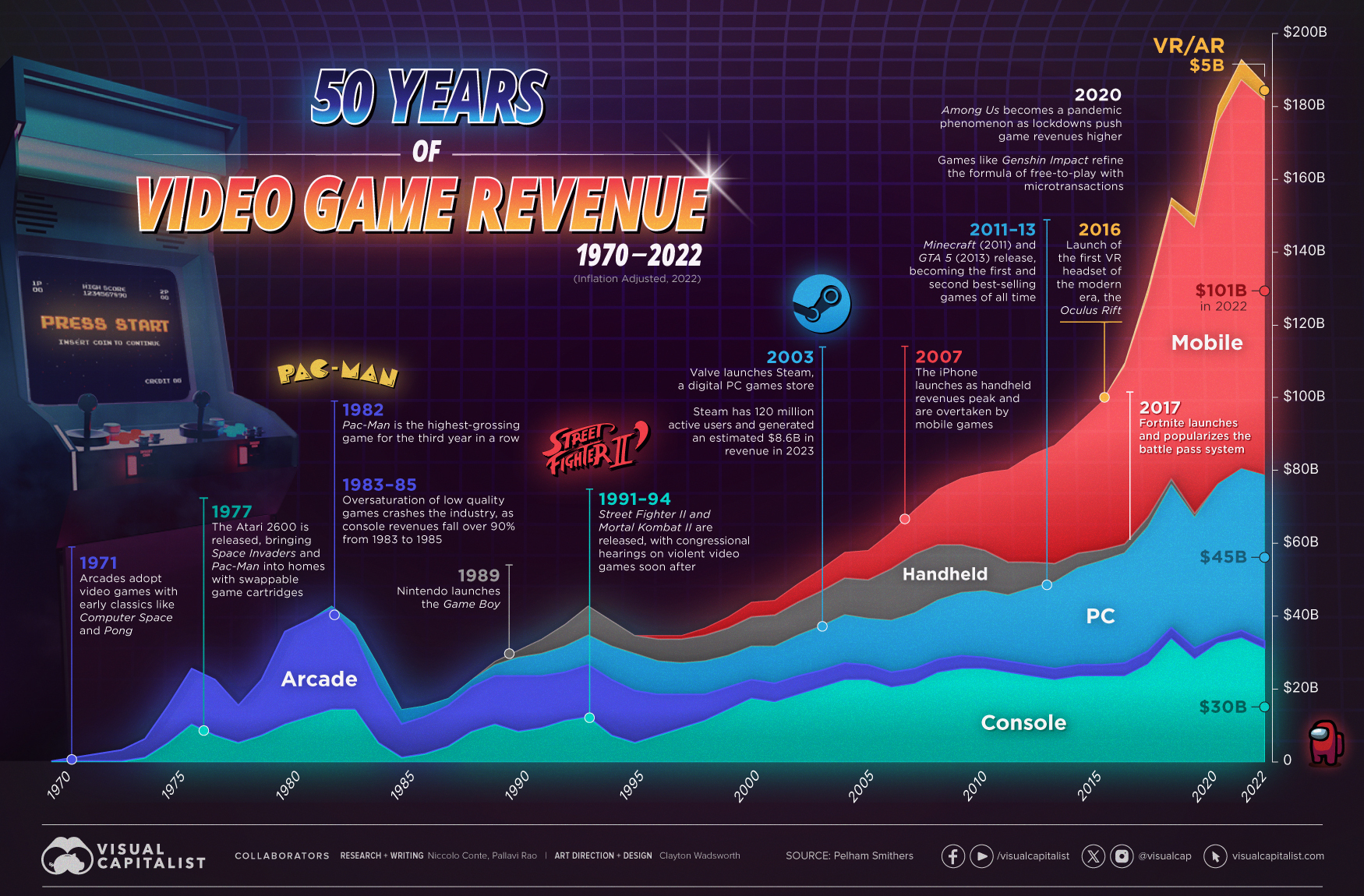
Most Anticipated Games Coming In 2026 For Every Platform 2026 Most Anticipated Games . April Gaming Calendar 2026 New Game Releases Events Must Play Titles March 2026 Game Release Dates Main . The First Gaming Showcase Of 2026 Has Been Revealed And It S As Soon Large . Game Awards 2026 Game Of The Year 2026 Game Awards Game Of The Year .webp. Nintendo Games Worden Duurder Maar Zijn Historisch Gezien Een Koopje 50 Years Of Video Game Revenue Dec 31

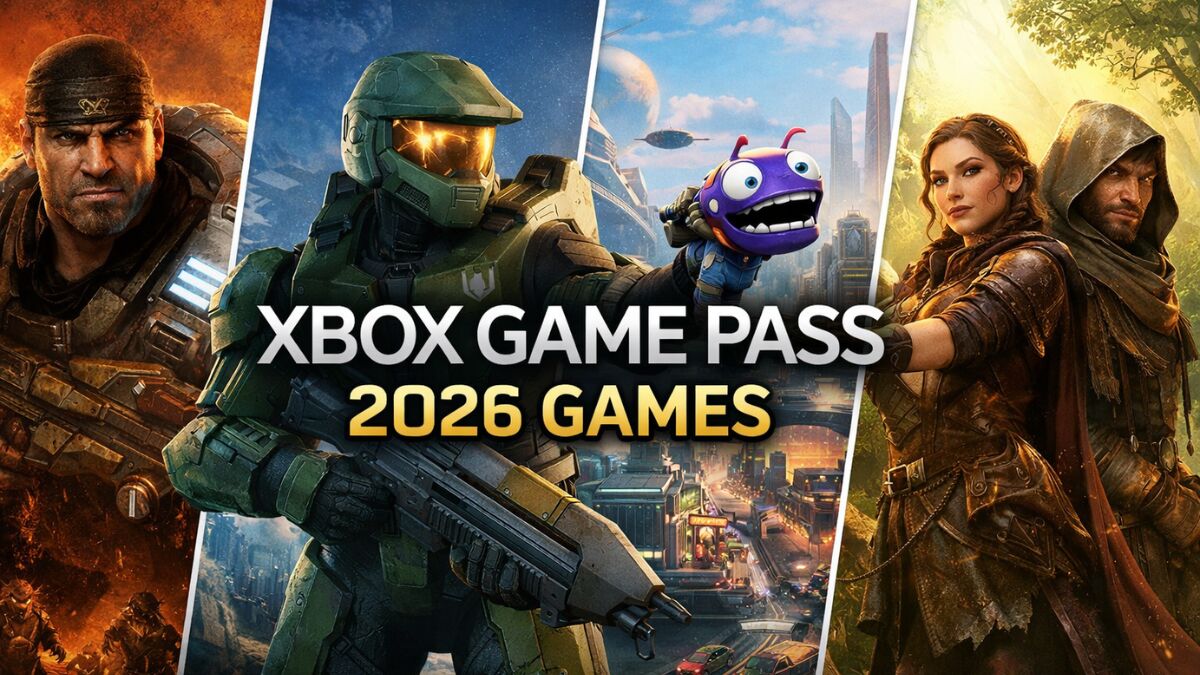

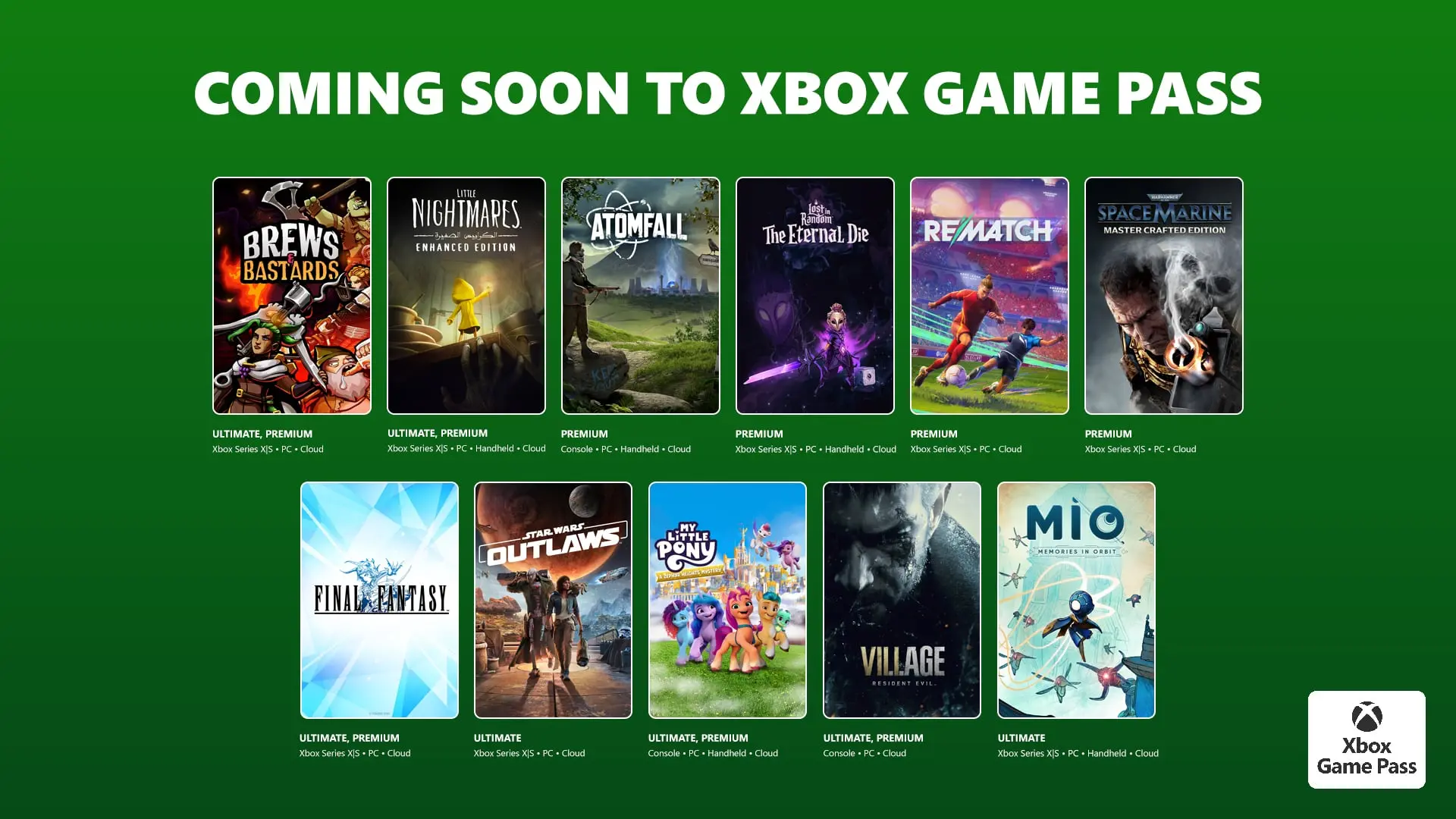

UPDATED Xbox Game Pass February 2026 Schedule Of Confirmed Titles 1200x628 Xbox Confirm Feb 2026.webp. Xbox Game Pass 2026 Games Full List Of All Confirmed And Upcoming Releases Xoxe . 31 Of The Biggest And Coolest 2026 Games We Can T Wait To Play 2026kotaku 960x540 . Xbox Game Pass Startet Mit Starken Januar Neuzug Ngen Ins Neue Jahr 2026 Xgp 2026 01.webp. 10 Best Gaming Phones In 2026 10 Best Gaming Phones 2026 Main


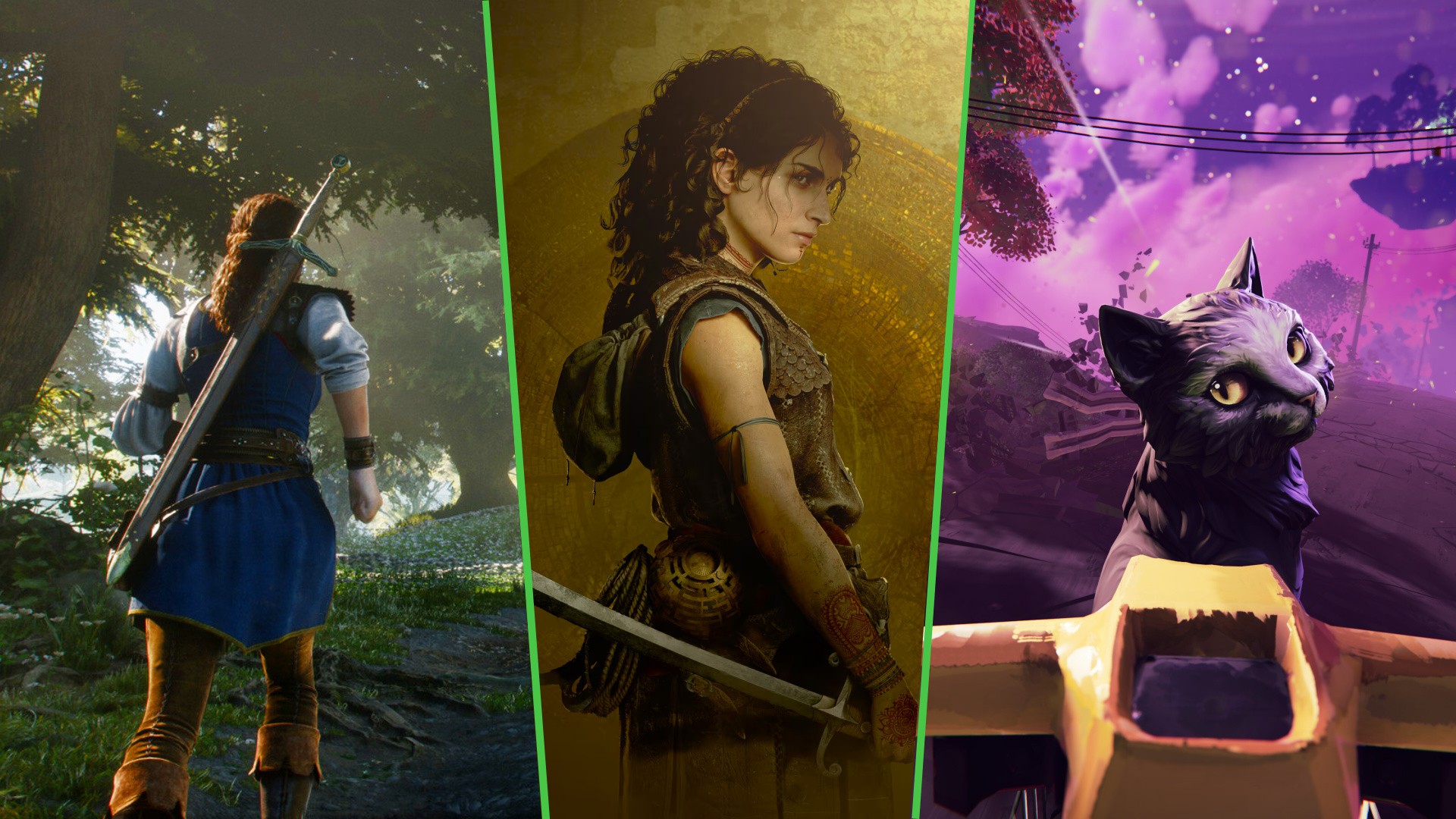


April 2026 Video Game Releases New Titles This Month SEAGM News April 2026 Video Game Releases New Titles This Month . Games First Glasgow 2026 Medal To Be In Para 71f06d90 E40b 11ef 87cd . 2026 Xbox Game Pass KOREA Xbox Game Pass In 2026 The Full List Of Everything Announced So Far.large . What Game Kicked Off Your 2026 Gaming Journey LevelUpTalk Video Game Controller Fallout4 01 02 2026 E20fa9b5 E796 4b19 90e4. Game Tahun 2026 Gambar PNG File Vektor Dan PSD Unduh Gratis Di Pngtree Pngtree Fun Flat Colorful 2026 Gaming Theme With Game Controller Png Image